

Description
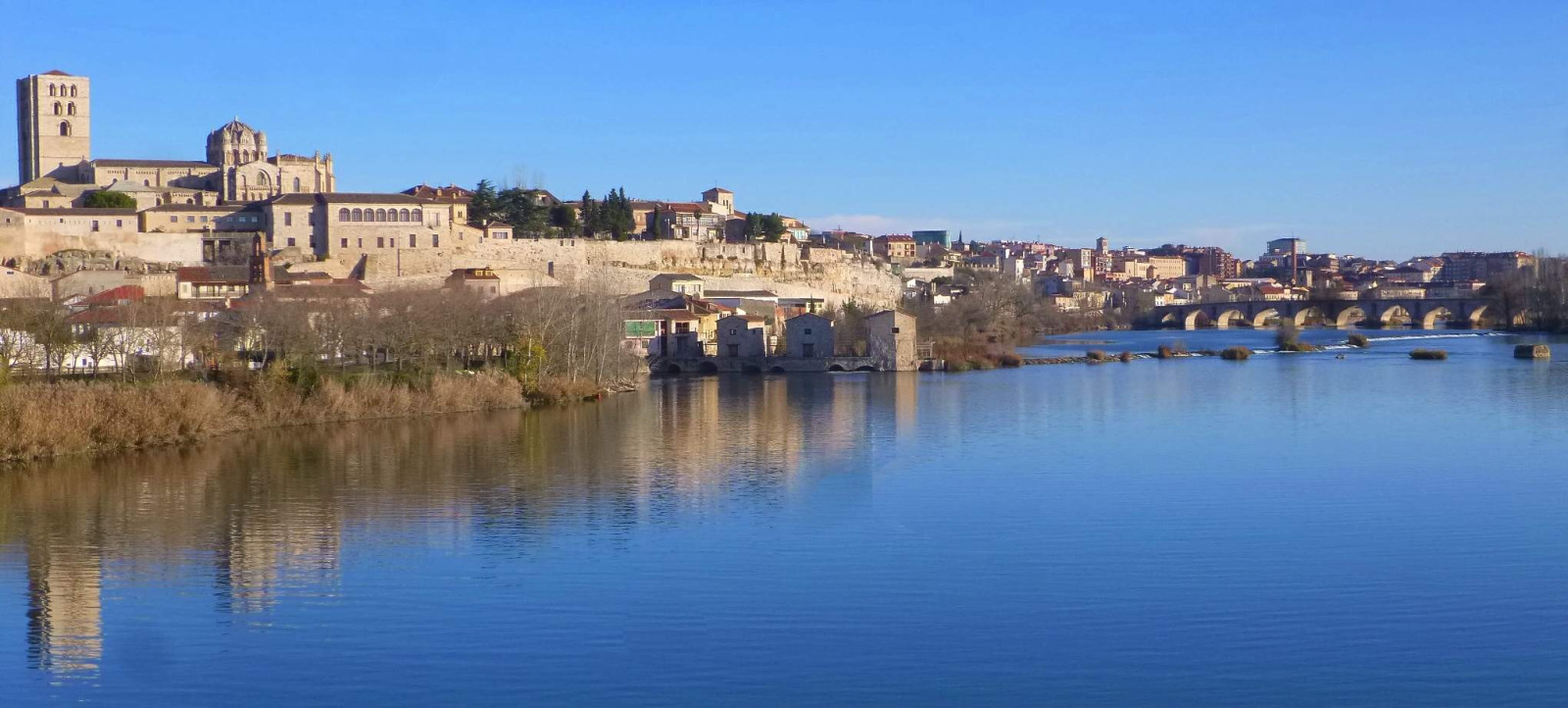
This stretch of the Río Duero in Zamora has well-preserved shores and some islands that are almost wild. There are a couple of dams that carried water to old mills (Aceñas), some of which can be visited. The water runs calmly and the flow is quite stable throughout the year. You can make a fairly comfortable circular walk. 212 bird species have been observed in the area. For example Red Kite, Black Kite, Peregrine Falcon, Eurasian Goshawk, Sparrowhawk, Booted Eagle, Osprey, Golden Eagle, White Stork, Great Egret, Little Egret, Little Bittern, Black-crowned Night Heron, Cattle Egret, Great Cormorant, Water Rail, Lesser Spotted Woodpecker, Eurasian Green Woodpecker, Great Spotted Woodpecker, Eurasian Wryneck, Little Grebe, Red-necked Nightjar, Green Sandpiper, Common Sandpiper, Black Tern, Arctic Tern, European Honey-buzzard, Eurasian Black Vulture, Griffon Vulture, Western Marsh Harrier, Barn Owl, Eurasian Scops Owl, Little Owl, Tawny Owl, Long-eared Owl, Eurasian Hoopoe, Common Kingfisher, European Bee-eater, Merlin, Eurasian Hobby, Golden Oriole, Penduline Tit, Zitting Cisticola, Sedge Warbler, Reed Warbler, Great Reed Warbler, Red-rumped Swallow, Western Bonelli's Warbler, Iberian Chiffchaff, Cetti's Warbler, Goldcrest, Eurasian Nuthatch, Spotted Flycatcher, Pied Flycatcher, Black Redstart, European Stonechat etc. etc
_________________________
Espagnol: Tramo urbano en Zamora comprendido entre el puente de la autovía al E y el de los poetas al O. Sencillo de recorrer por ambas márgenes. Es un tramo urbano con orillas bien conservadas y algunas islas que están casi salvajes. Hay un par de diques (zudas) que llevaban el agua a viejos molinos (Aceñas) alguno visitable, el agua discurre tranquila y el caudal es bastante estable a lo largo del año. Se puede hacer un recorrido circular bastante cómodo. La lista actual alcanza las 212 especies observadas P. ej. Red Kite, Black Kite, Peregrine Falcon, Eurasian Goshawk, Sparrowhawk, Booted Eagle, Osprey, Golden Eagle, White Stork, Great Egret, Little Egret, Little Bittern, Black-crowned Night Heron, Cattle Egret, Great Cormorant, Water Rail, Lesser Spotted Woodpecker, Eurasian Green Woodpecker, Great Spotted Woodpecker, Eurasian Wryneck, Little Grebe, Red-necked Nightjar, Green Sandpiper, Common Sandpiper, Black Tern, Arctic Tern, European Honey-buzzard, Eurasian Black Vulture, Griffon Vulture, Western Marsh Harrier, Barn Owl, Eurasian Scops Owl, Little Owl, Tawny Owl, Long-eared Owl, Eurasian Hoopoe, Common Kingfisher, European Bee-eater, Merlin, Eurasian Hobby, Golden Oriole, Penduline Tit, Zitting Cisticola, Sedge Warbler, Reed Warbler, Great Reed Warbler, Red-rumped Swallow, Western Bonelli's Warbler, Iberian Chiffchaff, Cetti's Warbler, Goldcrest, Eurasian Nuthatch, Spotted Flycatcher, Pied Flycatcher, Black Redstart, European Stonechat etc. etc
Details
Access
Getting to Zamora is easy by road or by train. There are plenty of parking areas at different points along the route. The river crosses the city from East to West and both banks are easily accessible. The best way to visit it is by walking, although many sections can be done by bike. It can also be done by car making stops at multiple points. It is possible to do a circular route (about 5 km). At the town hall there is the possibility of taking free guided tours in the city.
_________________________
Espagnol: Llegar a Zamora Capital es fácil, se puede hacer por carretera o en tren. Hay bastantes zonas de aparcamiento en distintos puntos del recorrido. El río atraviesa la ciudad de Este a Oeste y ambas orillas son facilmente practicables. La mejor manera de visitarlo es dando un paseo a pie, si bien muchos tramos se pueden hacer en bici. También se puede hacer en coche haciendo paradas en multiples puntos. Es posible hacer una ruta circular. A través del ayuntamiento existe la posibilidad de hacer rutas guiadas gratuias.




 ) to insert bird names in your own language. The birdnames will automatically be translated for other users!