.jpg)
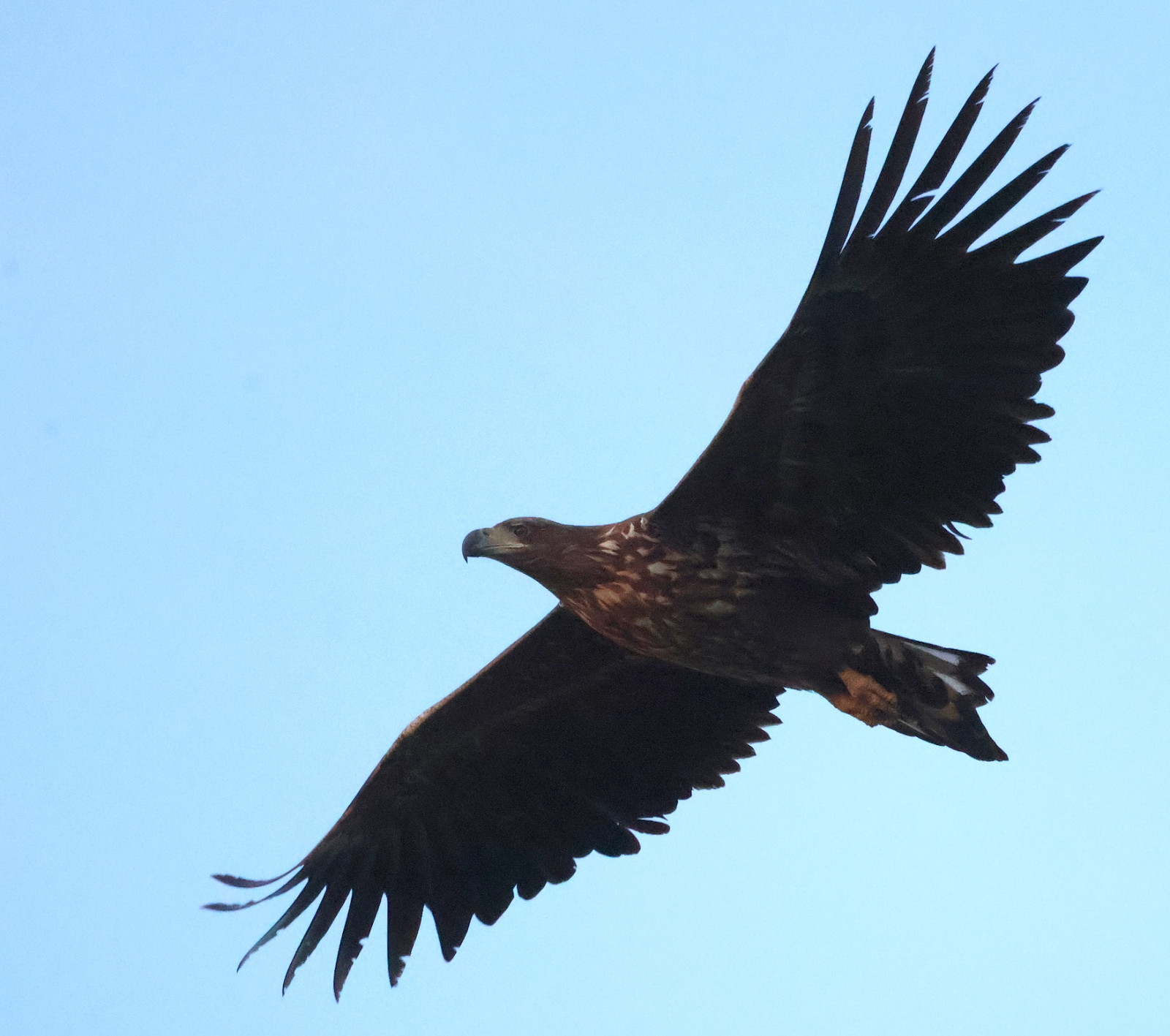
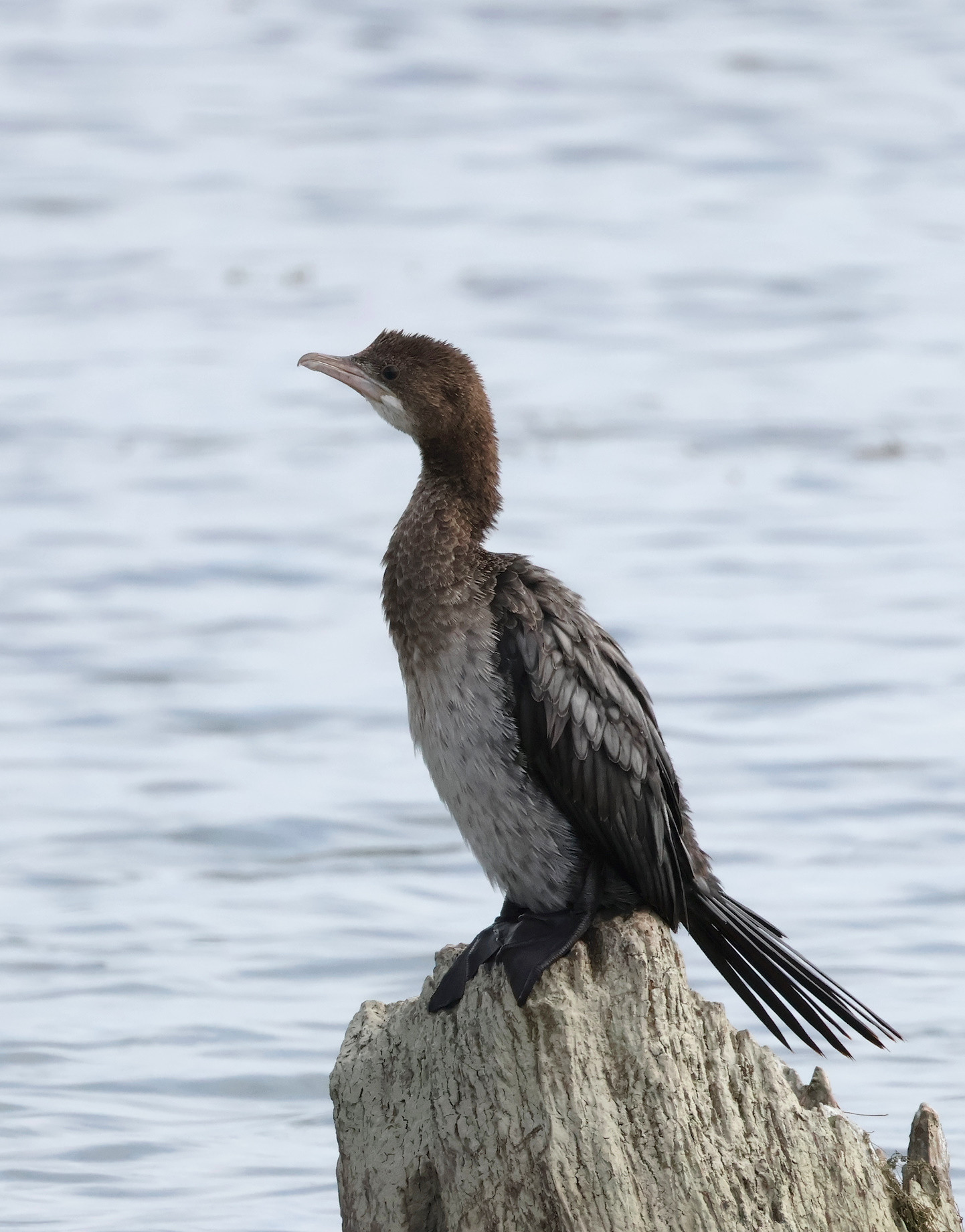
Description
Dubovacki Rit Reserve lies between the village of Dubovac and the river Danube, is about a mile long and consists of open water, reedbeds and willow and poplar riparian forest, with adjoining junipers on grassy sand dunes. Surrounding Danube shallows are a significant wintering area for waterbirds.
Once you reach the wetland, checking the western/upriver section is more rewarding in winter, while going east/downriver is more productive in spring. In winter you may look for Greater Spotted Eagle, Taiga Bean Goose, Greater White-fronted Goose, Greylag Goose, Common Shelduck, Smew, Goosander, Ferruginous Duck, Black-throated Diver, Pygmy Cormorant, Caspian Gull, Fieldfare, Redwing, Mistle Thrush.
From March onwards for Garganey, Black Stork, White Stork and Black-crowned Night Heron. From April for Purple Heron, Little Bittern, Long-legged Buzzard and three marsh terns ( Black Tern, Whiskered Tern, White-winged Tern ). Water Rail and Spotted Crake were also recorded here, as well as Avocet, Dunlin and Little Stint. European Turtle Dove, European Bee-eater, Red-backed Shrike, Eurasian Hoopoe and Sand Martin (about 5,000 pairs downriver from Dubovac) breed here and are conspicuous in spring.
A strong easterly wind is common in the area, which can make birding challenging.
Photos by Slobodan Puzovic, Mileta Cekovic and Dragan Simic.
Details
Access
Access is from the village of Dubovac, 70 km / 80 min east of Belgrade. See the map and click on the "P" for the turn-off directions.
The western section is more disturbed by development, although the levee up the Danube is well worth checking, especially in winter. To reach the western section, turn right at the cross junction (coming from the direction of the town of Kovin, route marked on the map).
The eastern section has a more natural feeling and preserved habitats. For the eastern section, follow the second dirt track right, after the Dubovac village.
Technically, you can park wherever and explore further on foot. There's not much shade, so wear a hat and take water with you.
Terrain and Habitat
Forest , Wetland , Mud flats , Reedbeds , River , Grassland , Scattered trees and bushesConditions
Open landscape , DustyCircular trail
NoIs a telescope useful?
Can be usefulGood birding season
All year roundBest time to visit
Winter , Spring migration , Autumn migrationRoute
Unpaved roadDifficulty walking trail
Average walkAccessible by
Foot , CarBirdwatching hide / platform
NoExtra info
A spotting scope is necessary in winter, but not in warmer months when binoculars are sufficient.


 ) to insert bird names in your own language. The birdnames will automatically be translated for other users!