Description
Magredi di Cordenons is a unique area in Italy of its kind, which in some way recalls the Hungarian steppes, with which it also has a certain type of vegetation in common. The site is part of the Natura 2000 network. It is the most important site in North East Italy for the nesting of Stone-curlew and other increasingly rare species like Eurasian Skylark, Wood Lark and Tawny Pipit. In recent years, European Roller, Greater Short-toed Lark and Black-headed Bunting have also nested in the area.
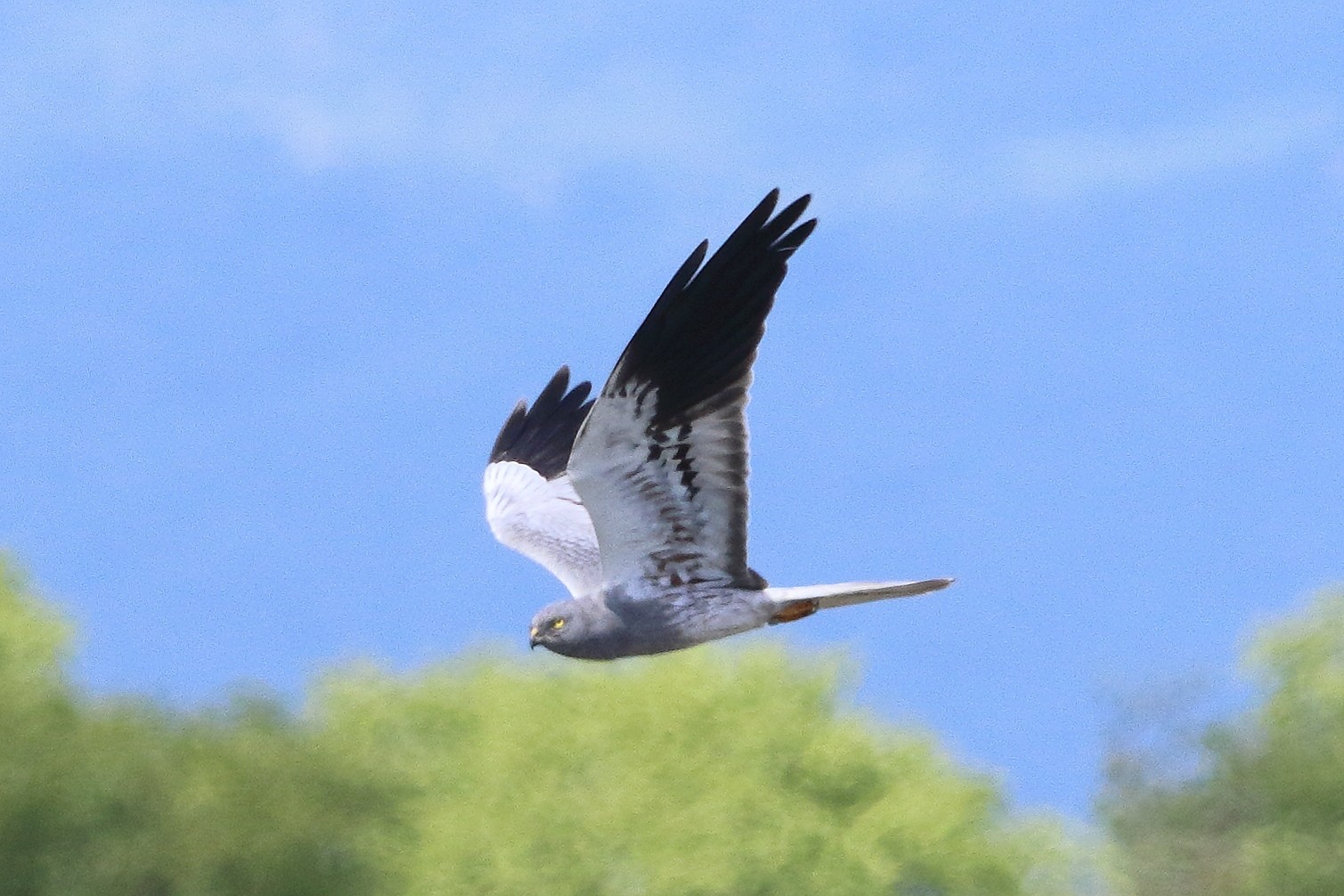
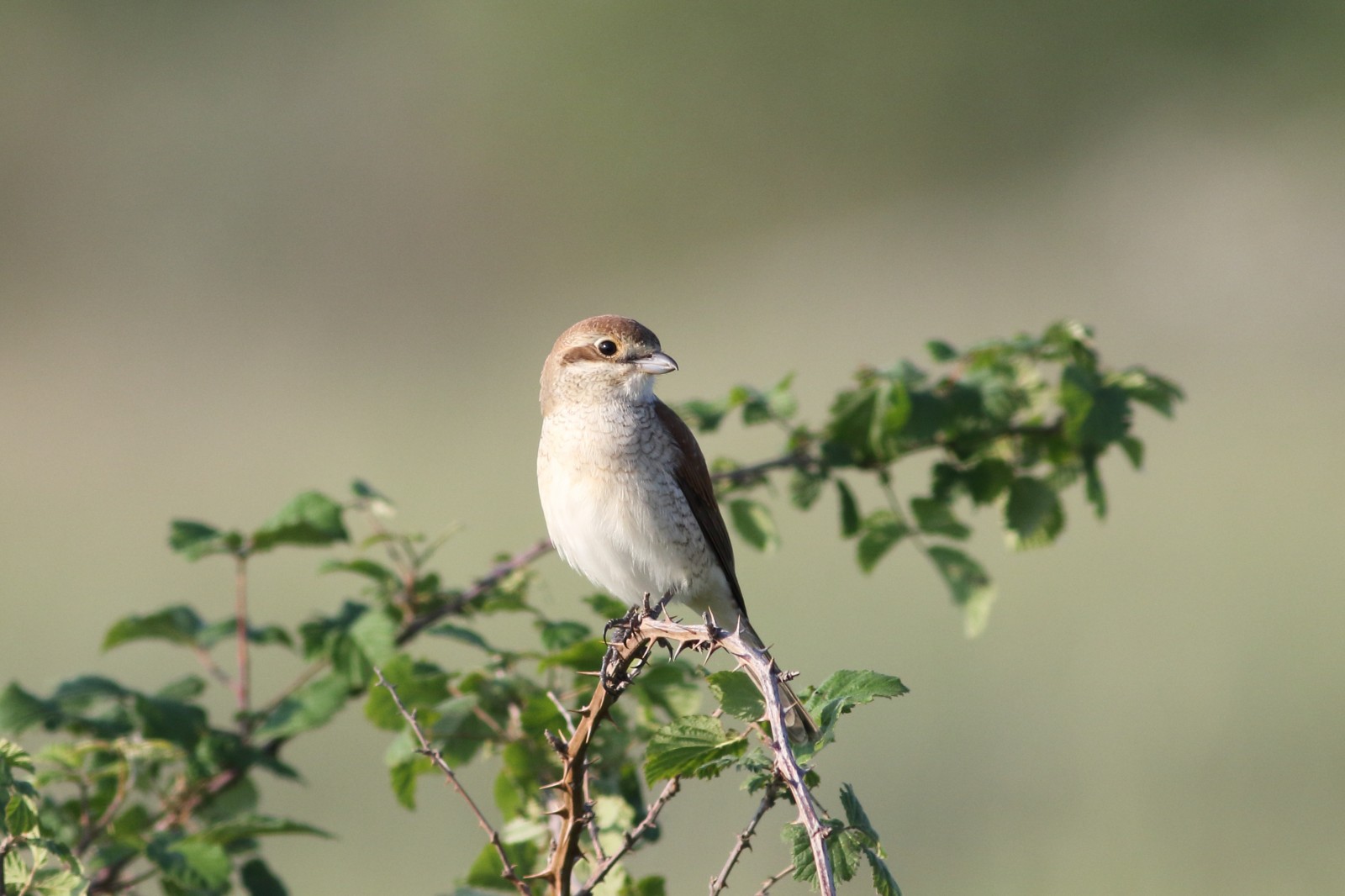
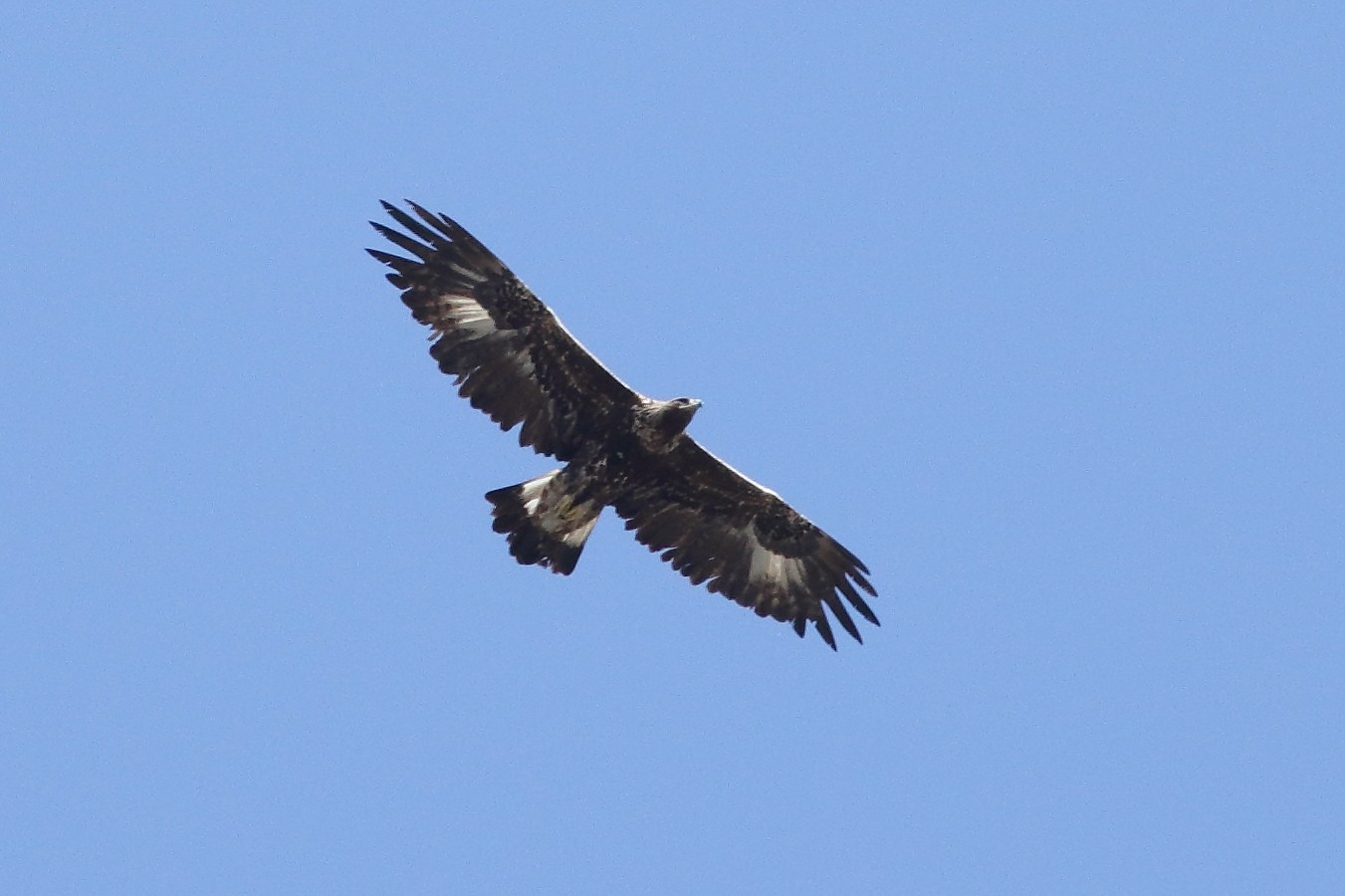
Other breeding species are Eurasian Hoopoe, Golden Oriole, European Bee-eater, European Stonechat, Red-backed Shrike, Lesser Grey Shrike. In the various seasons of the year it is also possible to see many species of birds of prey such as Hen Harrier, Montagu's Harrier, Short-toed Snake Eagle, Golden Eagle, Eurasian Goshawk, Merlin, Peregrine Falcon and European Honey-buzzard.
_________________________
Italiano: I Magredi di Cordenons sono un'ampio territorio costituito da landa steppica e radi arbusti, che si sviluppa ai margini del greto del fiume Cellina. Si tratta di un'area unica in Italia nel suo genere, che richiama in qualche modo le steppe ungheresi, con cui ha in comune anche un certo tipo di vegetazione. Il sito fa parte della rete Natura 2000. E' il sito più importante in ITalia del Nord Est per la nidificazione dell' Stone-curlew e di altre specie sempre più rare Eurasian Skylark, Wood Lark, Tawny Pipit; negli ultimi anni nell'area hanno nidificato anche European Roller, Greater Short-toed Lark e Black-headed Bunting.
Altre specie nidificanti: Eurasian Hoopoe, Golden Oriole, European Bee-eater, European Stonechat, Red-backed Shrike, Lesser Grey Shrike. Nelle varie stagioni dell'anno è possibile anche vedere molte specie di rapaci come Hen Harrier, Montagu's Harrier, Short-toed Snake Eagle, Golden Eagle, Eurasian Goshawk, Merlin, Peregrine Falcon, European Honey-buzzard.
Details
Access
Access to the area itself is forbidden to cars and therefore the best way to visit it is to approach the area via farm roads and then move on foot. The map below shows two entrances: one from the SanQuirino Biotope and one from the North, along the SP53 road that connects SanFoca with Vivaro. Click on a P in the map to get directions to the parking of your choice.
_________________________
Italiano: L'accesso all'area vera e propria è interdetta alle auto e quindi il modo migliore per visitarla è avvicinarsi all'area tramite stradine poderali e poi muoversi a piedi. Nella piantina allegata sono riportati due accessi: uno dal Biotopo di SanQuirino ed uno da Nord, lungo la strada SP53 che collega SanFoca con Vivaro.
Terrain and Habitat
Plain , Scattered trees and bushes , SteppeConditions
Flat , Dry , Open landscape , No shadowCircular trail
NoIs a telescope useful?
Can be usefulGood birding season
SpringBest time to visit
Spring , Spring migration , Autumn migrationRoute
Unpaved roadDifficulty walking trail
EasyAccessible by
FootBirdwatching hide / platform
NoExtra info
The area is subject to military activity, so access to some areas is prohibited on days when there are exercises.
_________________________
Italiano: La zona è sottoposta a servitù militare, per cui nelle giornate in cui ci sono esercitazione l'accesso ad alcune aree è vietato.


 ) to insert bird names in your own language. The birdnames will automatically be translated for other users!