Description
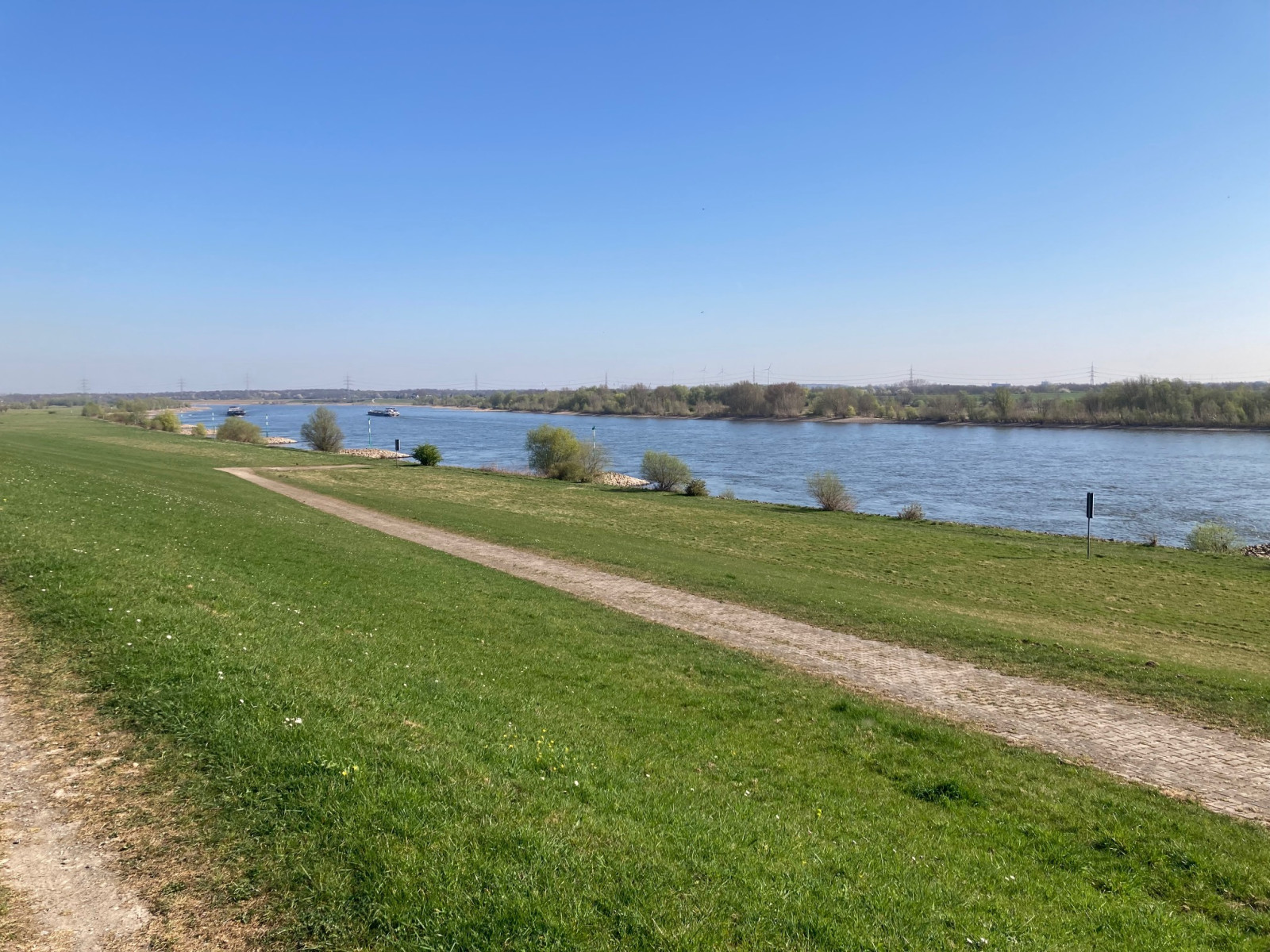
Naturschutzgebiet Hasenfeld and Rheinvorland is located between Eversael and Ossenberg. At the beginning you cross open cultural landscapes and meadows, where species such as Common Buzzard or in winter Greater White-fronted Goose are at home. Then you climb the dike and get an overview of the partially flooded meadows, and you immediately notice the singing Eurasian Skylark. In winter it is teeming with Greater White-fronted Goose and Taiga Bean Goose.
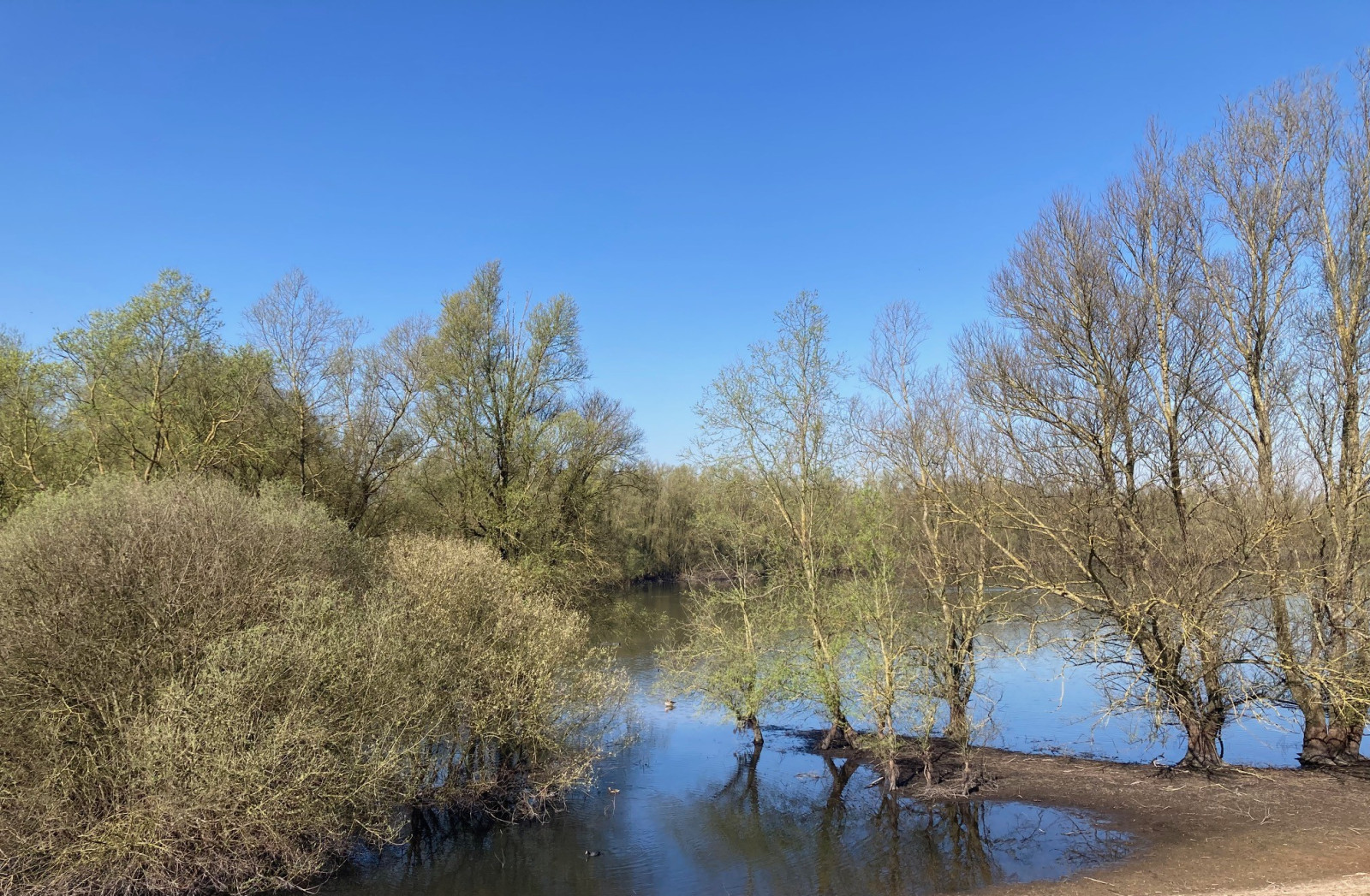
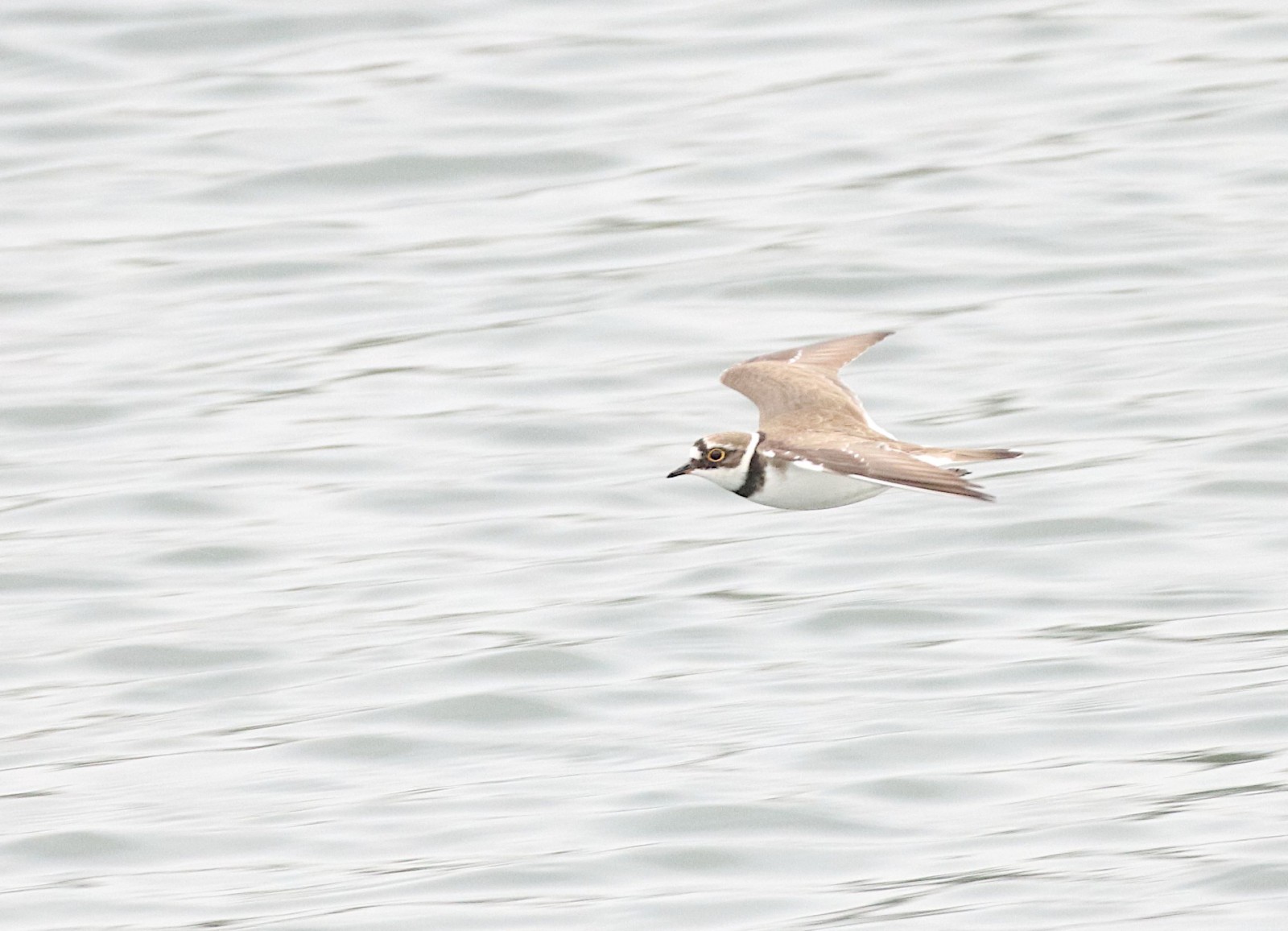
Then you come to the first lake, the water level of which is determined exclusively by precipitation. The migration time is definitely the most productive time here. Then you can, among other things see Little Ringed Plover, Common Greenshank as well as Osprey. In winter there are species like Smew, Common Pochard or Goosander.
The path continues through a landscape of wet meadow and floodplain, which is the busiest in summer, for example here you will find Eurasian Skylark, Meadow Pipit, Western Yellow Wagtail as well as Common Pheasant. Large swarms of Eurasian Wigeon also stay here at migration time. Then you reach the flood lakes, here you can find species like Great Egret, Common Snipe, Common Redshank and Black-tailed Godwit.
On the other side of the dike begins a landscape of open space, isolated trees and bushes. Directly on the dike is a colony of Grey Heron, further inland you can find species such as Red-backed Shrike, Greater Whitethroat, Yellowhammer and Green Sandpiper. The way back leads through fields and meadows, which are not so productive in summer, but in winter you can find Tundra Bean Goose here. Alternatively, you can of course walk back along the dike.
Details
Access
The area can either be reached via the A42 or A57, or alternatively with the Rhine ferry Orsoy via Rheinberger Straße. The parking lot is on the street "Drießen" under the first lake, opposite a bus stop. The area is best explored on foot or by bike, although it is also possible to travel by car, but you will not be able to reach a few points. The circular route as shown on the map is about 11 km long.
Terrain and Habitat
Forest , Wetland , Mud flats , Grassland , Scattered trees and bushes , AgricultureConditions
Flat , Open landscape , High water possibleCircular trail
YesIs a telescope useful?
Can be usefulGood birding season
All year roundBest time to visit
Summer , Spring migration , Autumn migrationRoute
Wide path , Paved roadDifficulty walking trail
EasyAccessible by
Foot , Bicycle , CarBirdwatching hide / platform
NoExtra info
Rare species that have been seen in the area are Greater Flamingo, Woodchat Shrike, Sacred Ibis, Eurasian Spoonbill and Avocet.


 ) to insert bird names in your own language. The birdnames will automatically be translated for other users!