Description
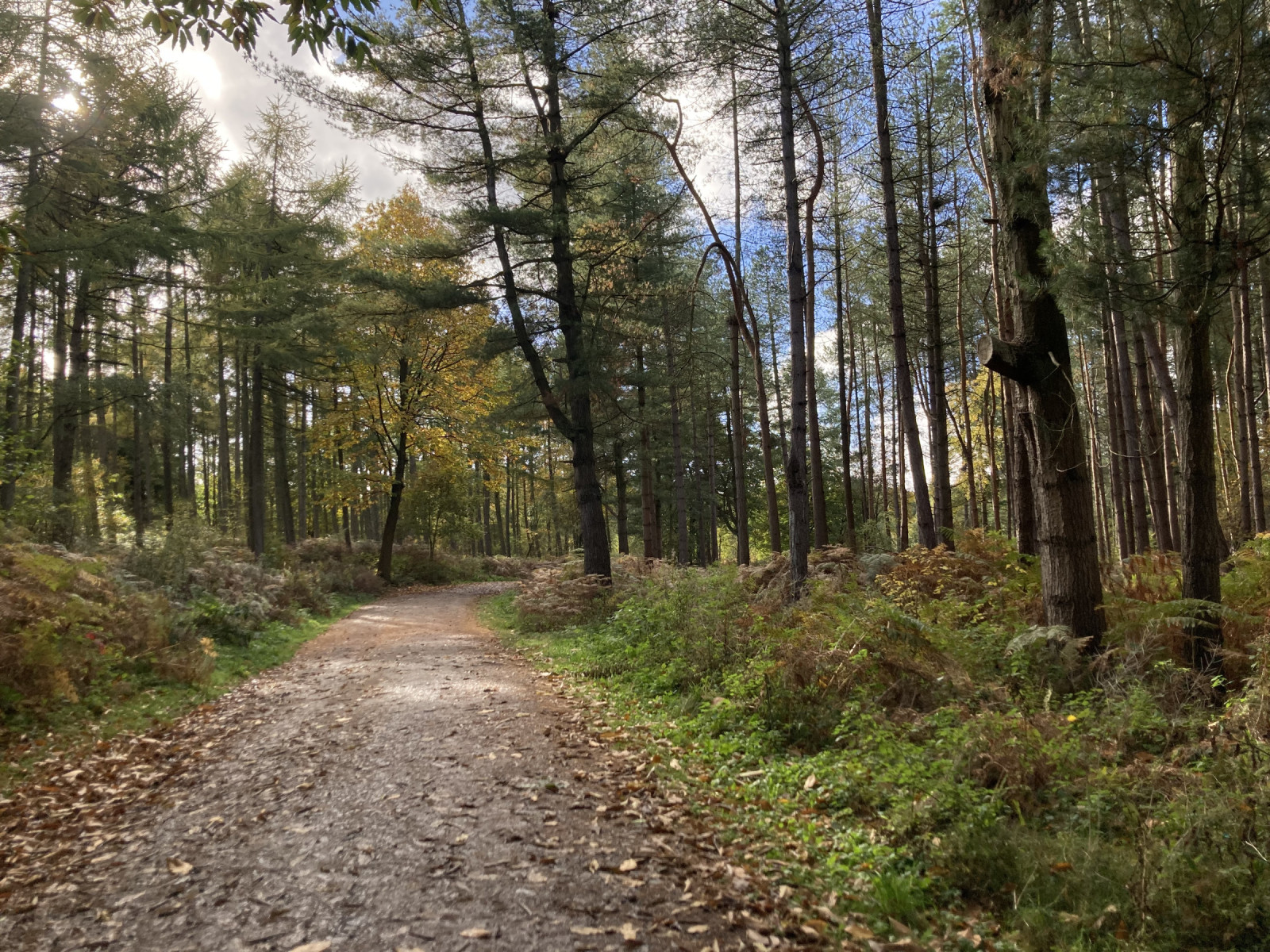
Delamere Forest is a large wood in the village of Delamere in Cheshire, England. The woodland, which is managed by Forestry England, covers an area of 972 hectares and contains a mixture of deciduous and evergreen trees. Common Crossbill, Great Spotted Woodpecker, Common Cuckoo, Pied Flycatcher, Eurasian Siskin, European Goldfinch and other woodland birds can be found here.
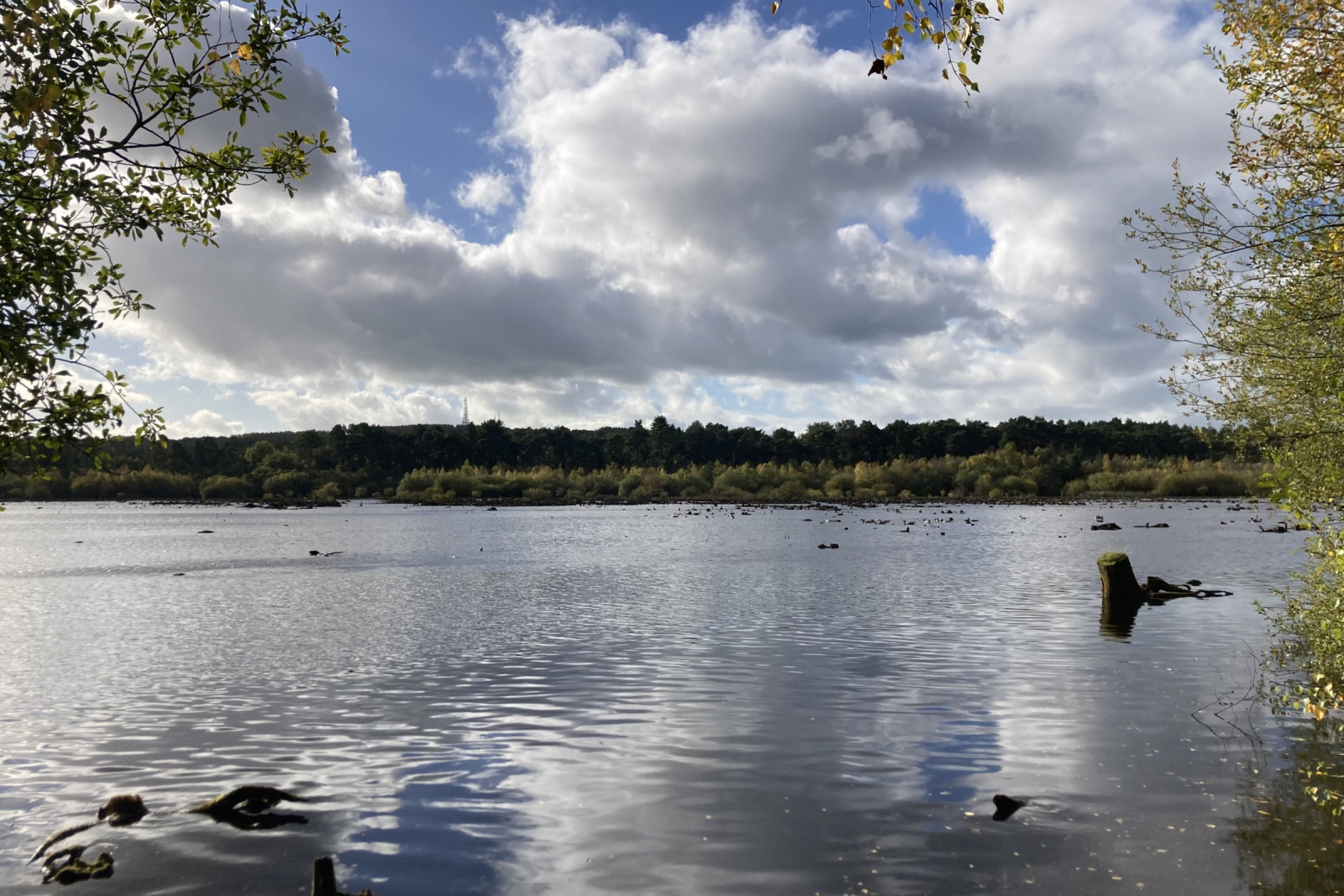
Delamere, which means "forest of the lakes", is all that remains of the great Forests of Mara and Mondrem which covered this part of Cheshire. The area also includes Blakemere Moss, a lake around 1 km in length; Black Lake, a rare example of quaking bog or schwingmoor, has been designated a Site of Special Scientific Interest (SSSI) and forms part of an international Ramsar site; Linmer Moss has also been designated an SSSI for its fenland habitat.
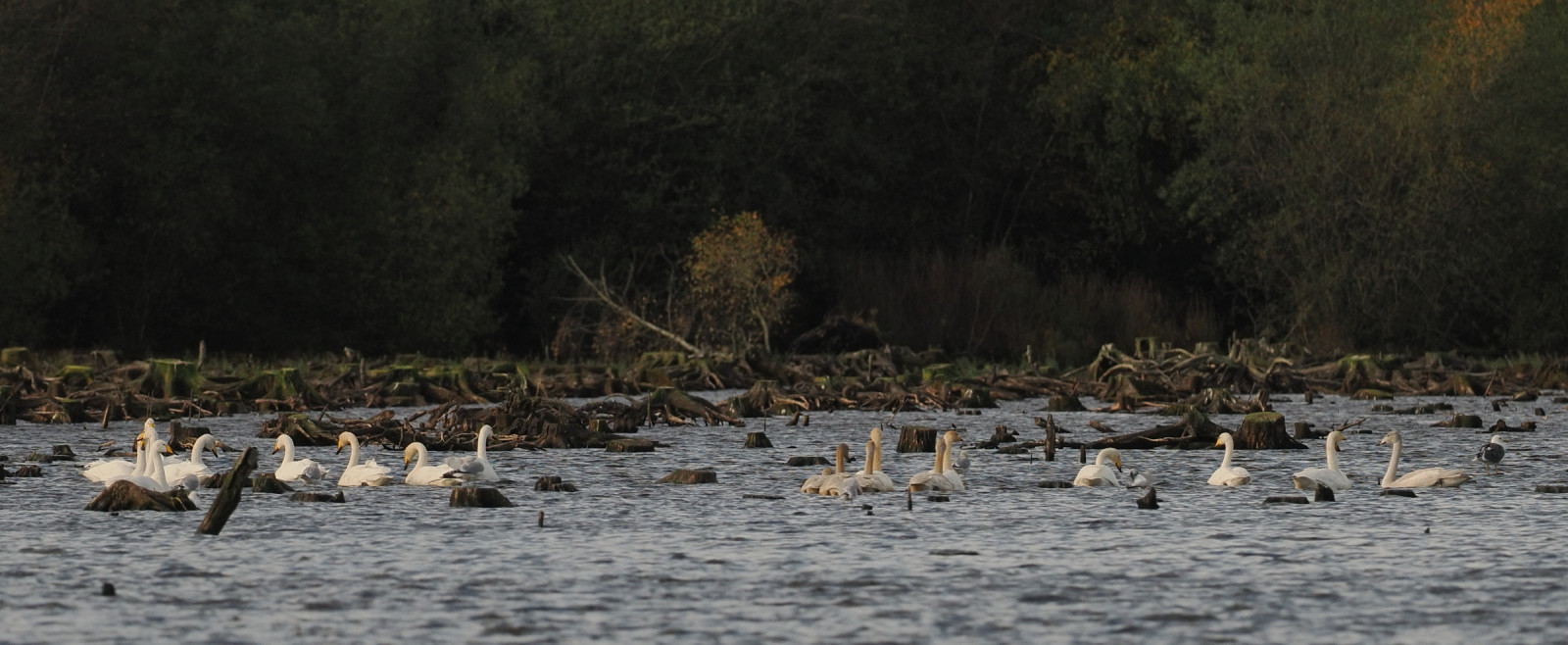
Blakemere Moss in summer is a home to one of the largest Black-headed Gull colonies in Cheshire with an occasional pair of Mediterranean Gull breeding there. In winter, it is an important area for passage and wintering. Whooper Swan, Common Gull, Great Black-backed Gull, Eurasian Teal, Northern Shoveler and other birds can be found here.
Delamere Forest is a popular recreational area. Three long-distance footpaths meander through the forest, the Sandstone Trail, Delamere Way and Baker Way. Two waymarked circular walking trails of 2.7 and 4.3 km and two waymarked cycling trails of 6.4 and 11.3 km start near the Linmere Visitor Centre; the cycling trails are also open to walkers. There are two easy-access circular trails which are suitable for wheelchair users and pushchairs; one starts at Barnsbridge Gates car park and leads to Blakemere Moss (1.2 km in length), the other explores Old Pale Hill from the Linmere Visitor Centre. Numerous non-waymarked footpaths are also available for both cyclists and walkers.
Details
Access
Delamere Forest is easily accessible by public transport (there are hourly trains from Chester and Manchester straight to Delamere Forest), by bike (National Route 70 passes nearby) or by car (there are several pay-and-display car parks, indicated with P on the map). Entrance is free.
The area can be explored by foot or by bike. There are also wheelchair-accessible trails available. Allow at least two hours for your visit.



 ) to insert bird names in your own language. The birdnames will automatically be translated for other users!