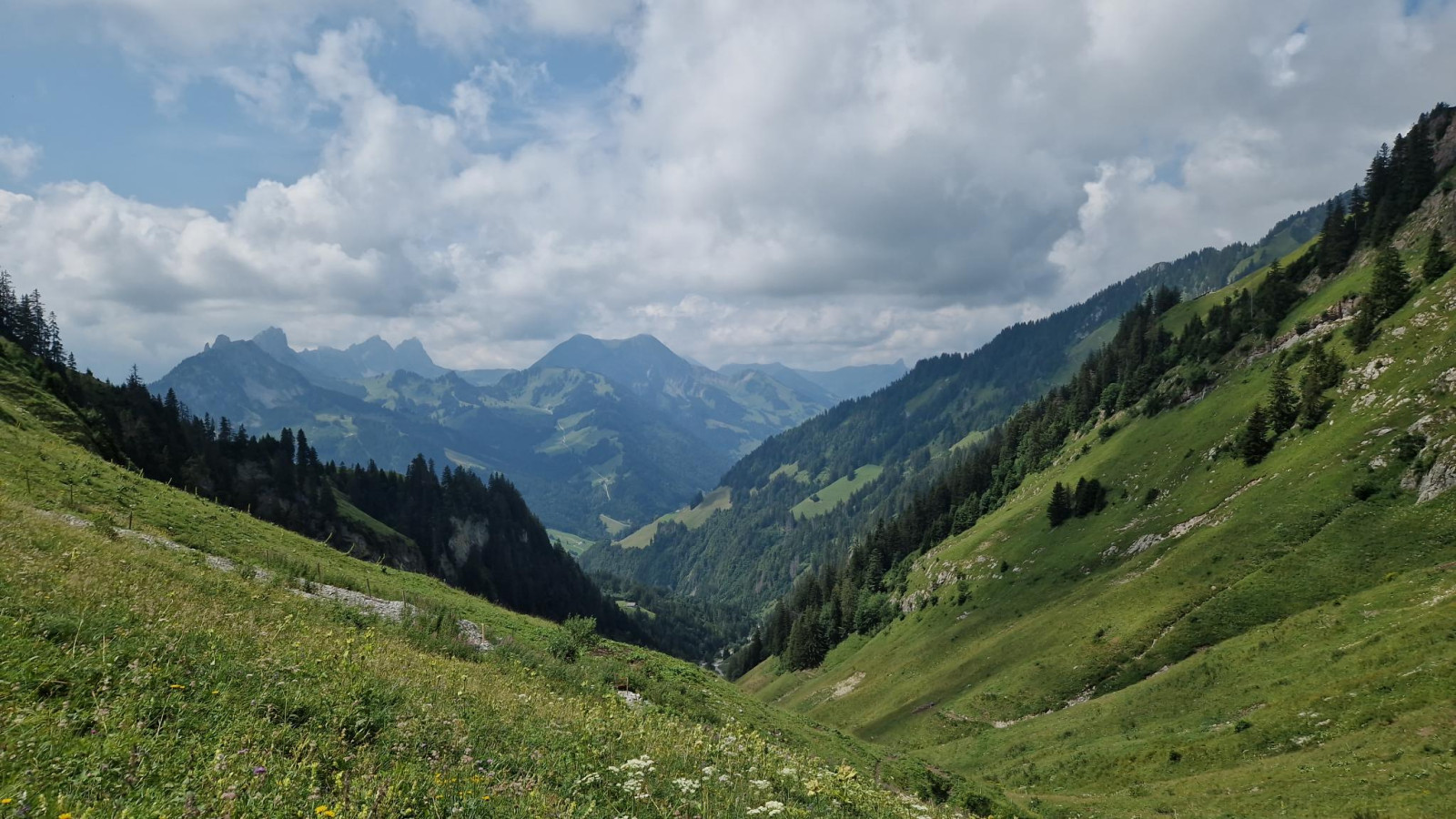


Description
Griffon Vulture have been regularly observed in the Swiss Alps for a few years now. These are animals from the breeding areas in Spain and France that are not yet ready to mate and move to Switzerland during the breeding season. They can be reliably observed on the Schafberg in summer. The Eurasian Black Vulture, which is very rare in Switzerland, is also regularly found among them.
Typical Alpine birds such as the Ring Ouzel and Citril Finch, Rock Ptarmigan, Lesser Redpoll, Black Grouse, and Lesser Whitethroat can be found on the way up. The Golden Eagle is regularly observed, and more rarely a Short-toed Snake Eagle can be seen foraging. The Common Rock Thrush breeds in the area. European Honey-buzzard, Meadow Pipit, Water Pipit, and Rock Bunting are also native.
Details
Access
You have to earn your observations: The area can only be reached after a three- to four-hour, steep climb. There are three access points. The first leads from Jaun via the Müncheberg. It is strenuous and not very attractive due to the recent increase in agricultural use. (The route via the Euschelspass may be more attractive).
The second leads from Boltigen via Schwarzenmatt and Chlus to Walop. After an ascent to Underi Luchere, vultures can be observed on the Schafberg. The trail is particularly attractive if other species are also to be observed, such as the Citril Finch .
The third trail leads from Schwarzsee via the Riggisalp to the Kaisereggpass. For me, it is the most scenic and leads directly to the area from where the vultures can best be observed.
Terrain and Habitat
MountainConditions
Mountainous , No shadow , Rocky , DryCircular trail
NoIs a telescope useful?
Can be usefulGood birding season
SummerBest time to visit
SummerRoute
Unpaved road , Narrow trailDifficulty walking trail
StrenuousAccessible by
FootBirdwatching hide / platform
NoExtra info
After several visits to the area, I can recommend the route to the Kaiseregg Pass the most. From the ridge you have a good view of the mountain basin. The vultures usually rest on the Rotechaste or Schafsberg to the south. If you wait a while, you have an excellent chance of seeing the spectacular animals gliding past a few metres above or next to you. It is also possible to descend into the Walop and descend on the other side towards Boltigen. As the ascent is in summer and there is hardly any shade at the top, it is advisable to take plenty of water, long clothes and sun cream with you. The white and blue marked paths along the ridge are only suitable for experienced mountaineers with good equipment.



 ) to insert bird names in your own language. The birdnames will automatically be translated for other users!