Description
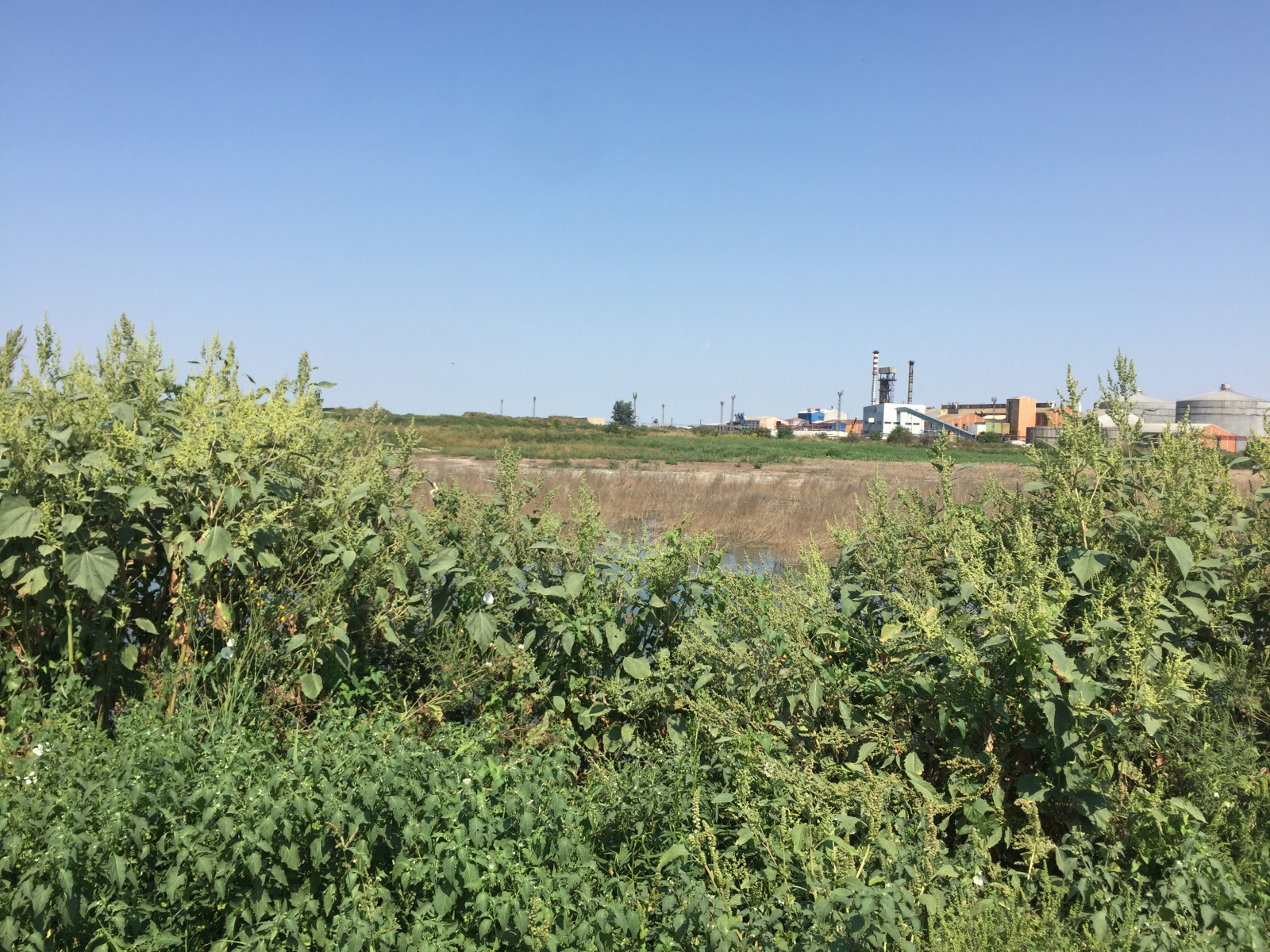
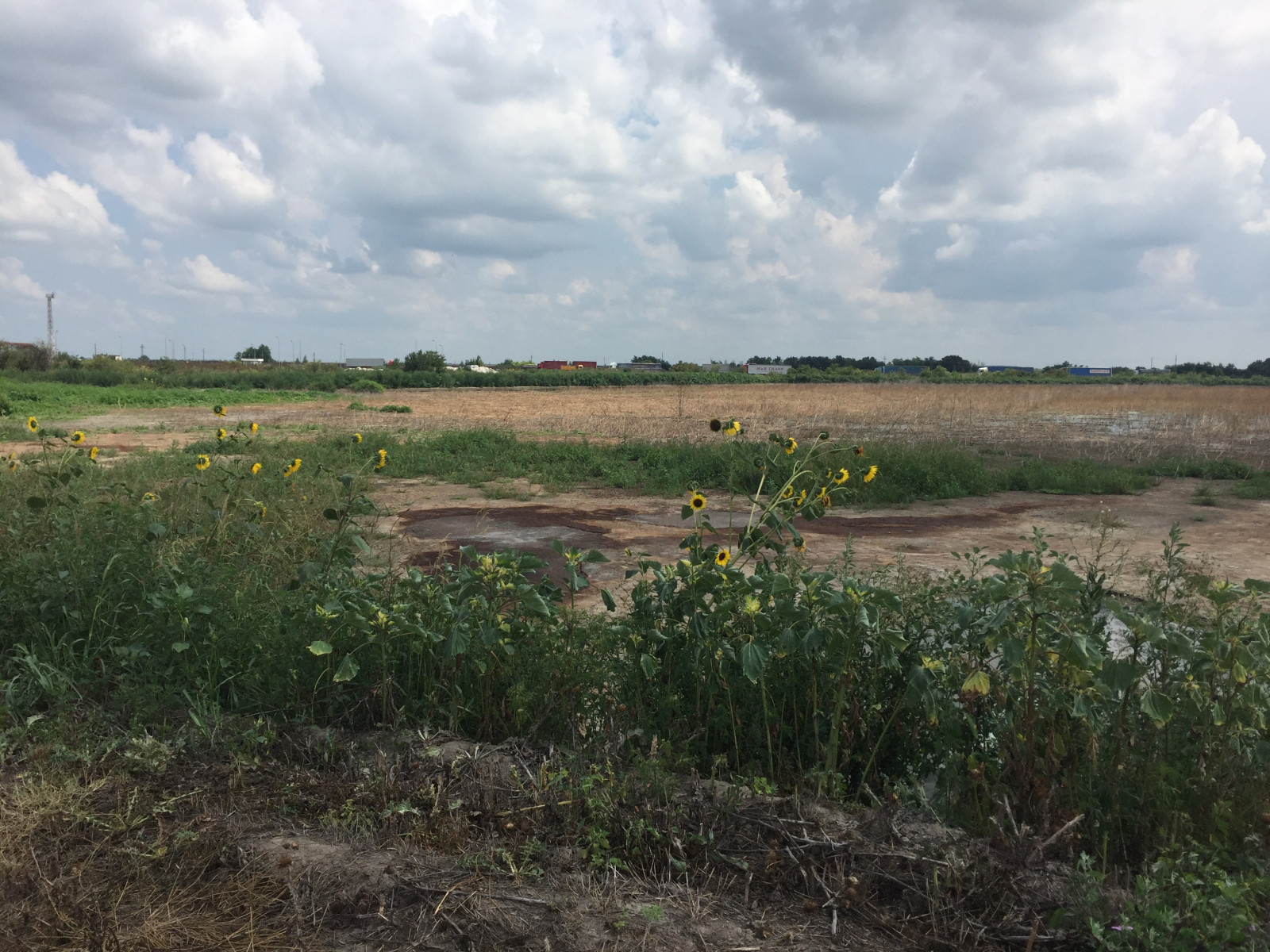
The “Jedinstvo” Sugar Plant ponds lie between Kovacica and Debeljaca villages, about 40 km northeast from Belgrade. The wastewater collectors cover an area of about 100 ha. There are a total of seven smaller or larger ponds, 10 to 20 hectares in size. All ponds are surrounded by embankments 2-3 m high, while the entire wastewater collectors area is surrounded by a canal 2-3 m wide with a narrow belt of reeds along the edges. The plant is operational and the ponds can be quite smelly. The smaller, northern ponds are shallower and more productive. This is possibly the best visited spot around.
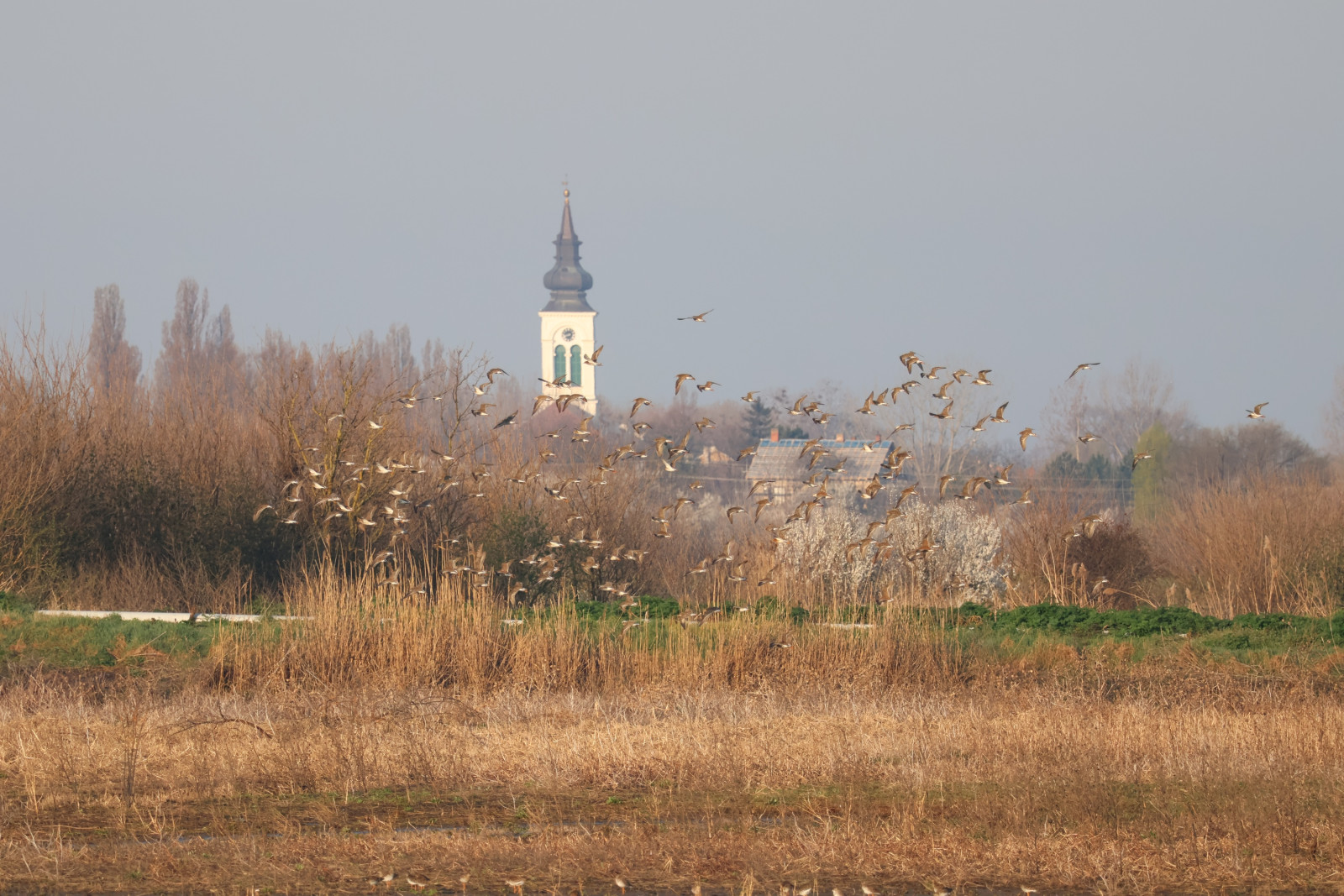
If the water level is right, not too deep nor dry, waders here include Curlew Sandpiper, Spotted Redshank, Red Knot, Little Ringed Plover, Whimbrel, Black-tailed Godwit, Common Ringed Plover, Ruddy Turnstone, Ruff, Broad-billed Sandpiper, Temminck's Stint, Dunlin, Little Stint, Common Snipe, Common Sandpiper, Green Sandpiper, Common Greenshank, Marsh Sandpiper, Wood Sandpiper, Common Redshank and Collared Pratincole (rarity). Black-headed Gull, Black-winged Stilt and Avocet breed at the beginning of the marked route, while Northern Lapwing breed more to the right, closer to the sugar plant.
Other birds to look for include Garganey, Black-necked Grebe, Water Rail, Black Tern, Whiskered Tern, White-winged Tern, Little Bittern, Squacco Heron, European Bee-eater, European Roller, Red-backed Shrike, Lesser Grey Shrike (uncommon) and Woodchat Shrike (rarity).
Photos (2) by Ivana Novčić and Mileta Čeković.
Details
Access
It lies just north of the Debeljaca turn off. You can park there and visit the ponds on foot (visible as the low embankment on your left-hand side), or use the next turn off for the plant itself, in which case be sure not to block the road for large lorries heading for the plant gate. For driving directions, zoom in on the map and click on the "P" (parking) sign.
Terrain and Habitat
Agriculture , Mud flats , Lake , Wetland , Plain , ReedbedsConditions
Flat , No shadow , Open landscapeCircular trail
YesIs a telescope useful?
YesGood birding season
Spring , AutumnBest time to visit
Spring migration , Autumn migration , SpringRoute
Wide path , Unpaved roadDifficulty walking trail
EasyAccessible by
FootBirdwatching hide / platform
NoExtra info
The best season is September to October, as well as April to May.



 ) to insert bird names in your own language. The birdnames will automatically be translated for other users!