Description
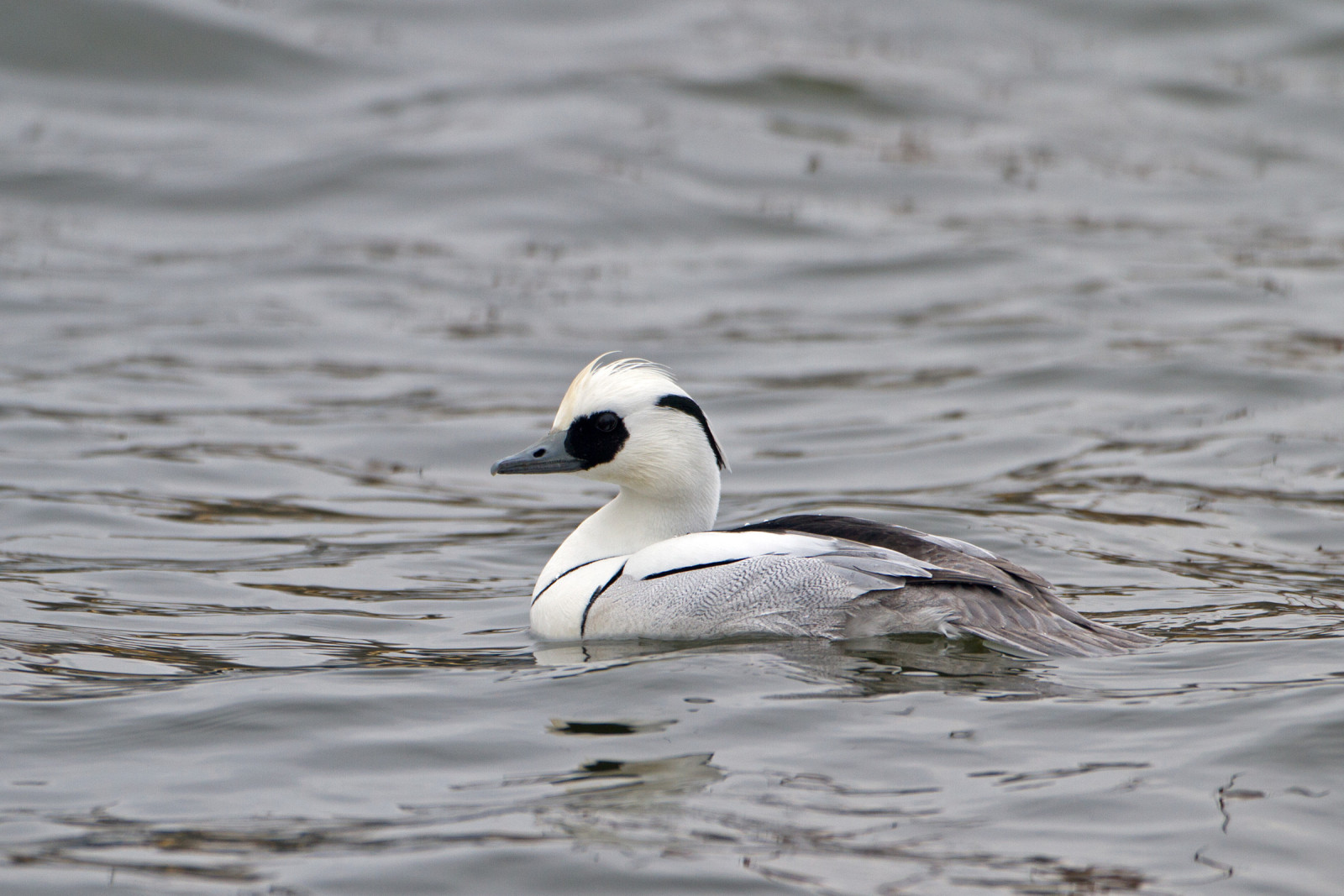
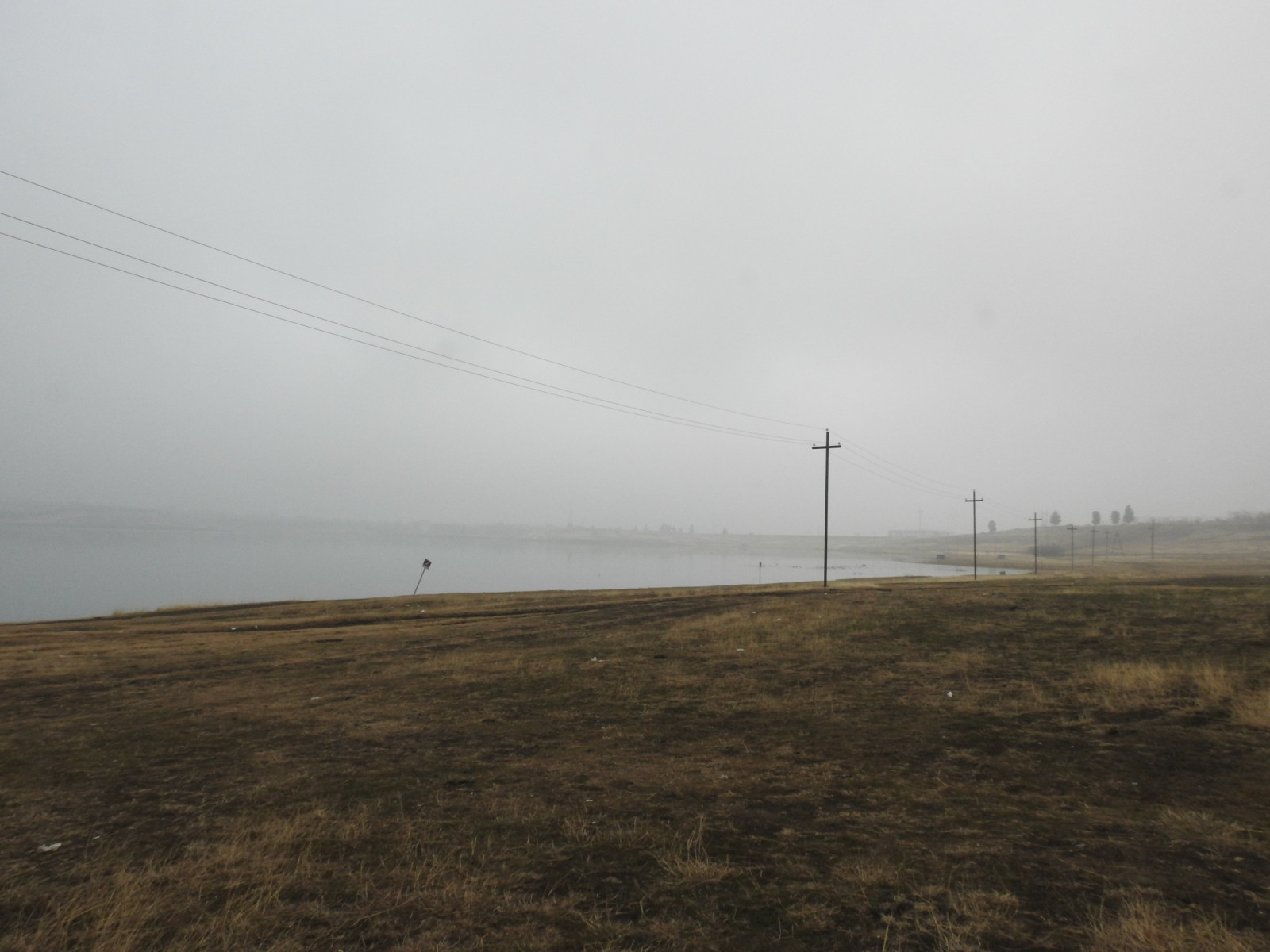
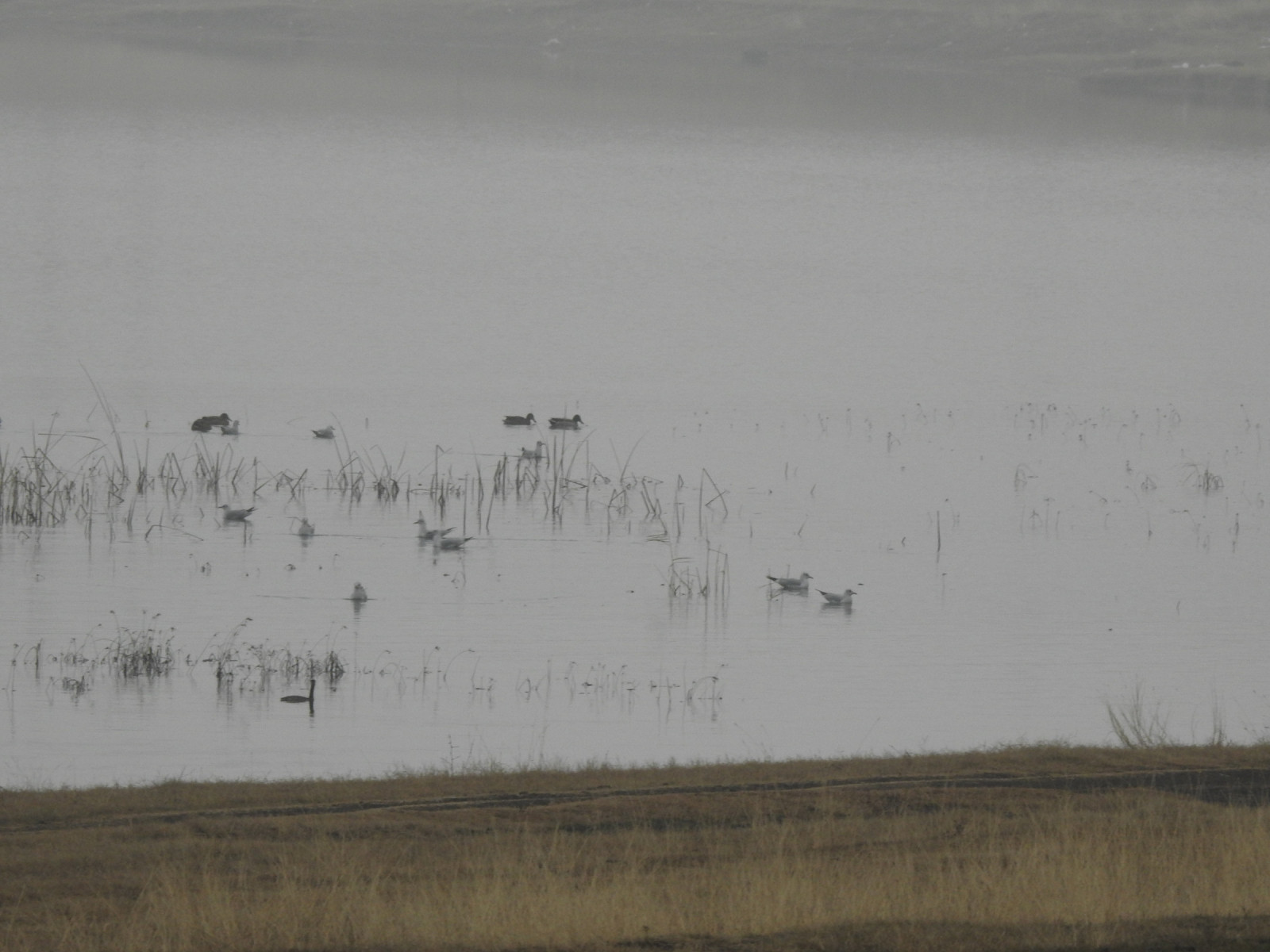
Tbilisi Reservoir is divided in two parts. A smaller eastern part and a larger western part. In the western part you can observe different ducks (Mallard, Gadwall, Smew), gulls (Lesser Black-backed Gull, Pallas's Gull, Common Gull, Little Gull) and terns (Sandwich Tern, Common Tern, White-winged Tern). In the eastern part near the strait wintering swans (Bewick's Swan, Whooper Swan) and even loons (Black-throated Diver, Red-throated Diver) can be encountered.
The shores of the eastern part are muddy and flat, so it is a good place for waders (Common Redshank, Wood Sandpiper, Eurasian Oystercatcher, Ruff, Common Snipe). In the reedbeds you can find almost all species of herons, that live in Georgia (Grey Heron, Great Egret, Squacco Heron, Little Bittern).
Open spaces, covered with grass on the shores of the reservoir attract larks, shrikes, pipits and birds of prey (including Peregrine Falcon, Merlin, Red-footed Falcon, Lesser Kestrel, Pallid Harrier, Steppe Eagle, Osprey).
In the coastal forests live woodpeckers (Syrian Woodpecker, Lesser Spotted Woodpecker, Eurasian Wryneck, Black Woodpecker), tits, finches (Eurasian Bullfinch, Common Chaffinch) and even Common Crossbill.
Details
Access
Tbilisi Reservoir is located northeast of the city of Tbilisi. There are a lot of pedestrian paths along the lake shore. You can reach the reservoir by taxi or by car from the city center. Or you can use public transport. To get to the eastern part of Tbilisi reservoir you should take bus 346 from metro station "Varketili" and go to the bus stop Hualing Settlement (the end station), then continue on foot for about 300-400 m.
If you want to start from the western part, you should take bus #360 from metro station "Railway square" to the bus stop "Street of unknown heroes,25" or "Beshenova street".


 ) to insert bird names in your own language. The birdnames will automatically be translated for other users!