Description
The canal and harbour of Gletterens are located in the middle of the Grand Cariçaie, the largest reed bed in Switzerland, which runs along the south-eastern shore of Lake Neuchâtel. Over 250 species have already been recorded here. Similar rarities have been sighted as in nearby Fanel, such as Баклан малий, Поморник великий, Пісочник морський, Коловодник ставковий, Пуночка снігова, Крячок рожевий, Баранець великий, and Крячок малий.
The area is characterised by reed beds, alluvial forests, sandy beaches and lakes. Swimming is permitted on the beach, which is why the early hours of the morning are usually best for observation. The area can be walked through in a few minutes - but it also provides hours of ornithological pleasure.
The reed bed is considered one of the best places in Switzerland to observe Сутора вусата, або синиця вусата. The Баранець звичайний breeds here, as do Очеретянка велика, Рибалочка блакитний, Кобилочка солов’їна, Бугайчик, and Лунь очеретяний.
The forest is a breeding ground for Підсоколик великий, Зозуля звичайна, Вивільга звичайна, and various woodpeckers, notably the Дятел малий. On the lake you can observe terns, mostly Крячок річковий , but also rare species.
The site is attractive in autumn and winter as well, when Журавель сірий and Підсоколик малий are resting, and with a bit of luck you might spot a Чернь морська on the lake or a Бугай водяний wintering in the reeds.
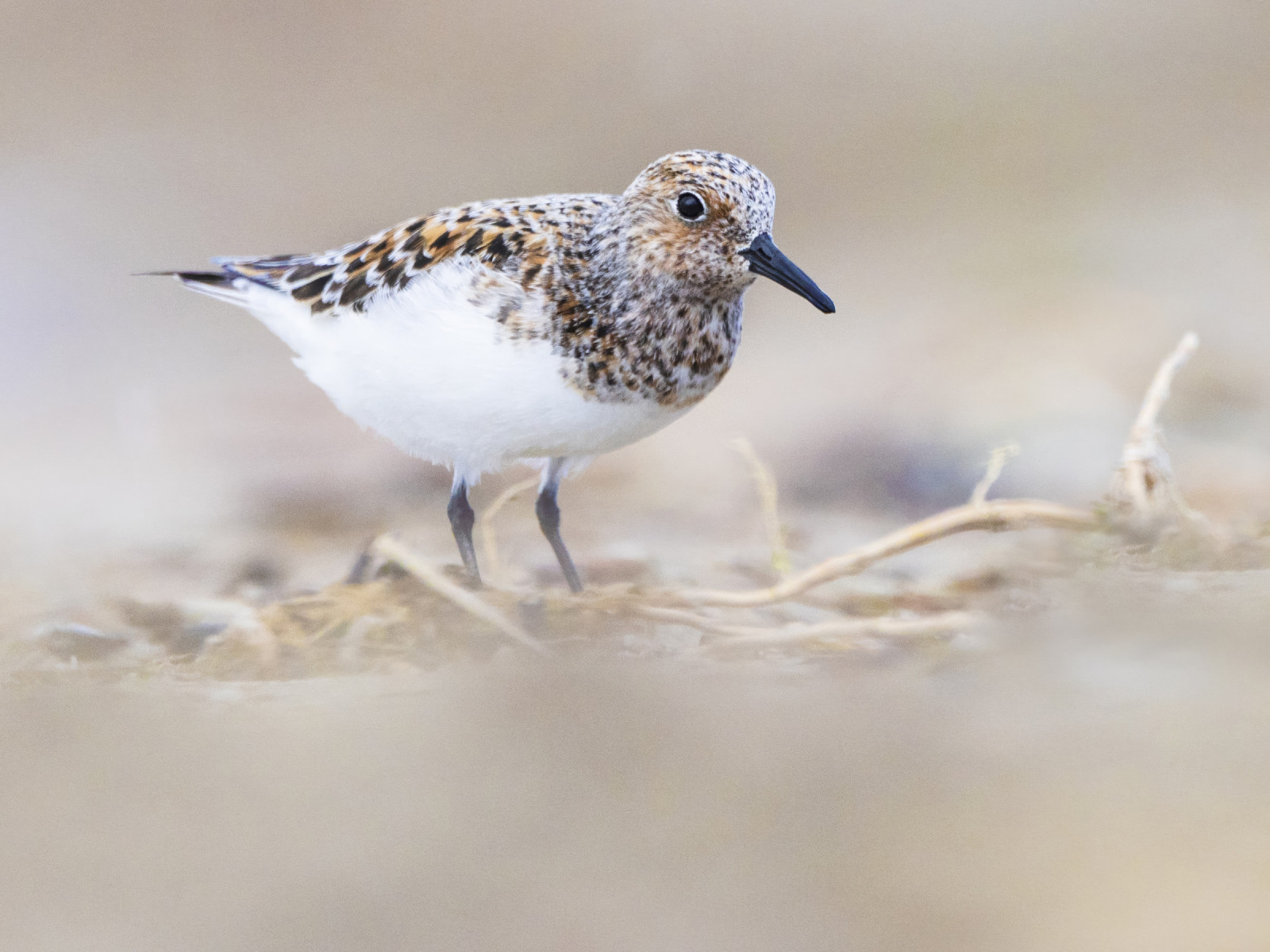
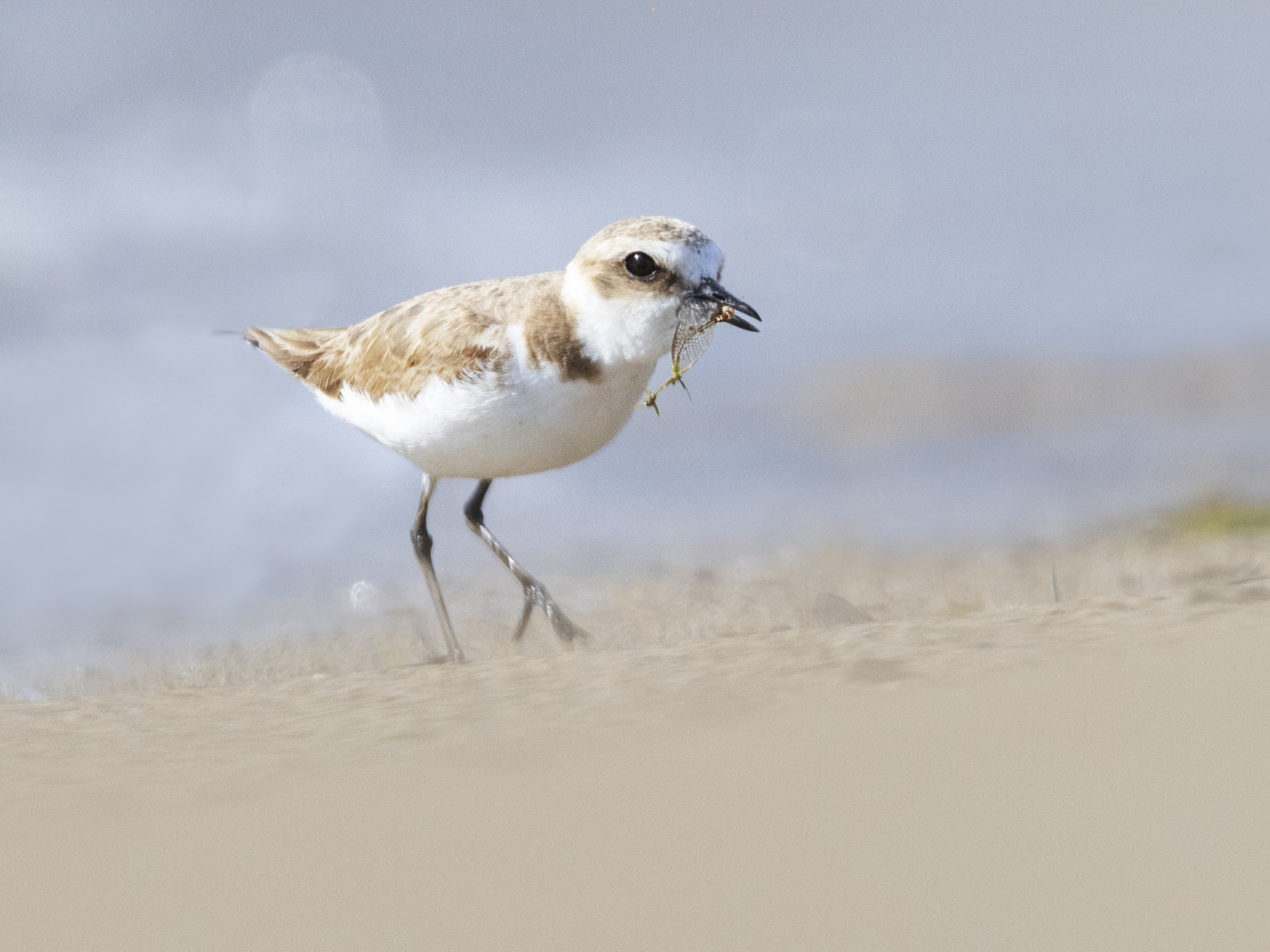
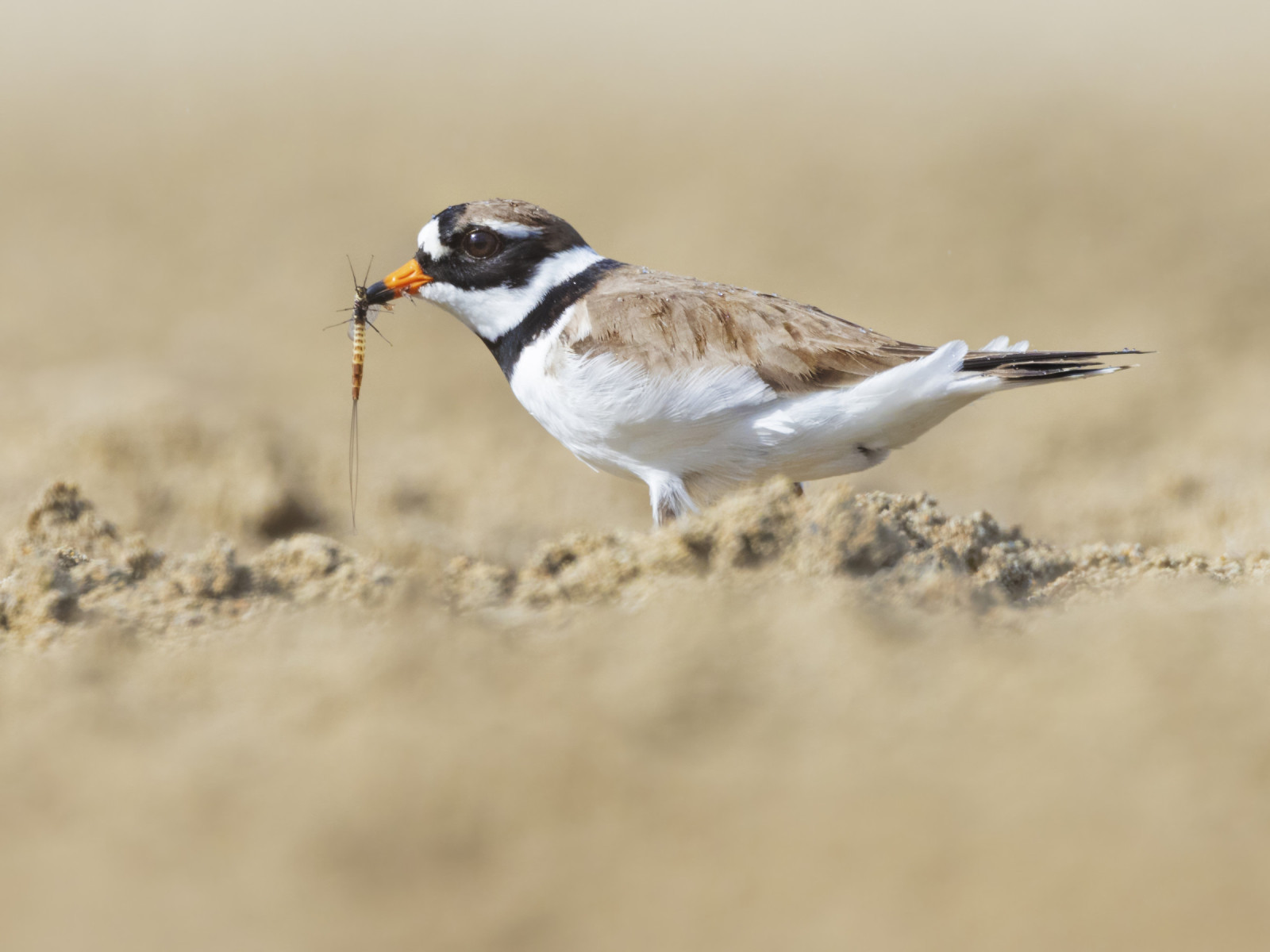
However, the best time is undoubtedly the end of April and the first two weeks of May. Кібчик червононогий regularly benefit from the insects on offer during their migration, and waders like Пісочник великий, Побережник білий, Пісочник морський, Крем’яшник звичайний, and many others feed on the hatching mayflies.
Details
Access
The Canal et Port de Gletterens area can be reached by bus 544 from Fribourg, although this line does not have ornithologist-friendly timetables. The bus stop Gletterens, lac is 5 minutes from the beach. There is also a parking nearby. Press P on the map for directions to a parking spot. The area can be explored on foot and is wheelchair accessible.
Terrain and Habitat
Forest , Wetland , Reedbeds , Beach , LakeConditions
FlatCircular trail
YesIs a telescope useful?
Can be usefulGood birding season
All year roundBest time to visit
Spring , Spring migrationRoute
Wide pathDifficulty walking trail
EasyAccessible by
FootBirdwatching hide / platform
NoExtra info
Do NOT leave the paths, as the area around is very vulnerable and strictly protected.


 ) to insert bird names in your own language. The birdnames will automatically be translated for other users!