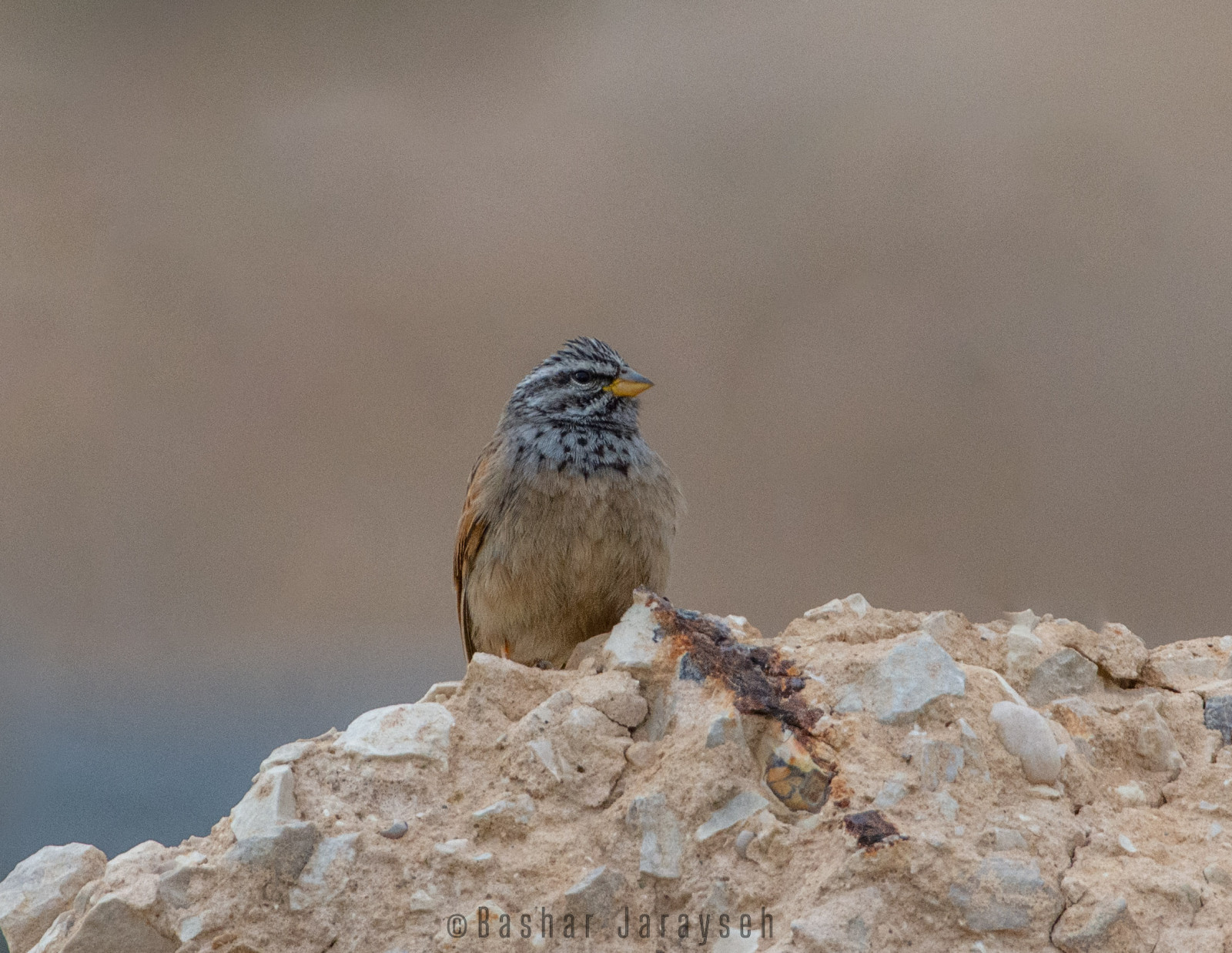
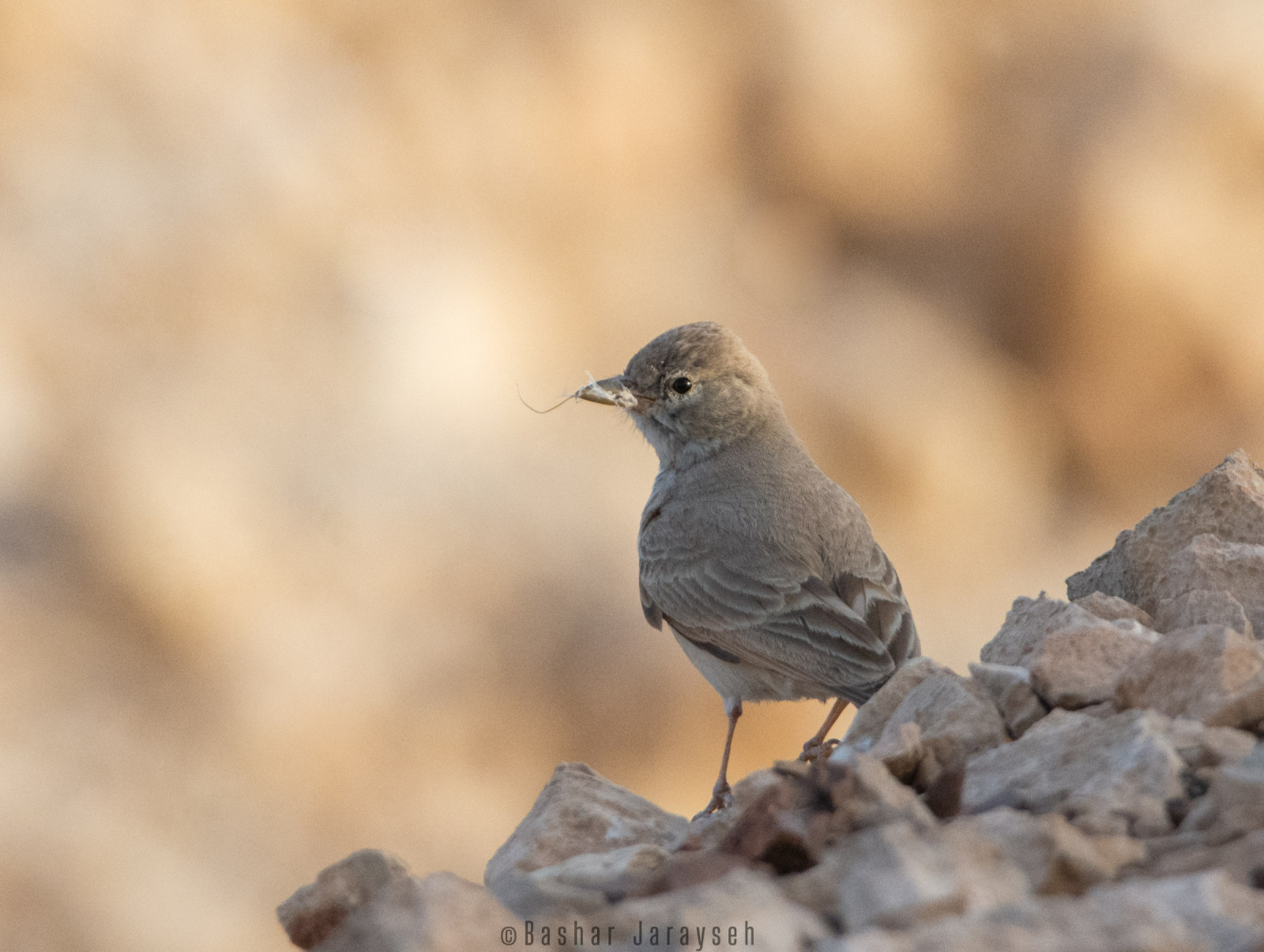
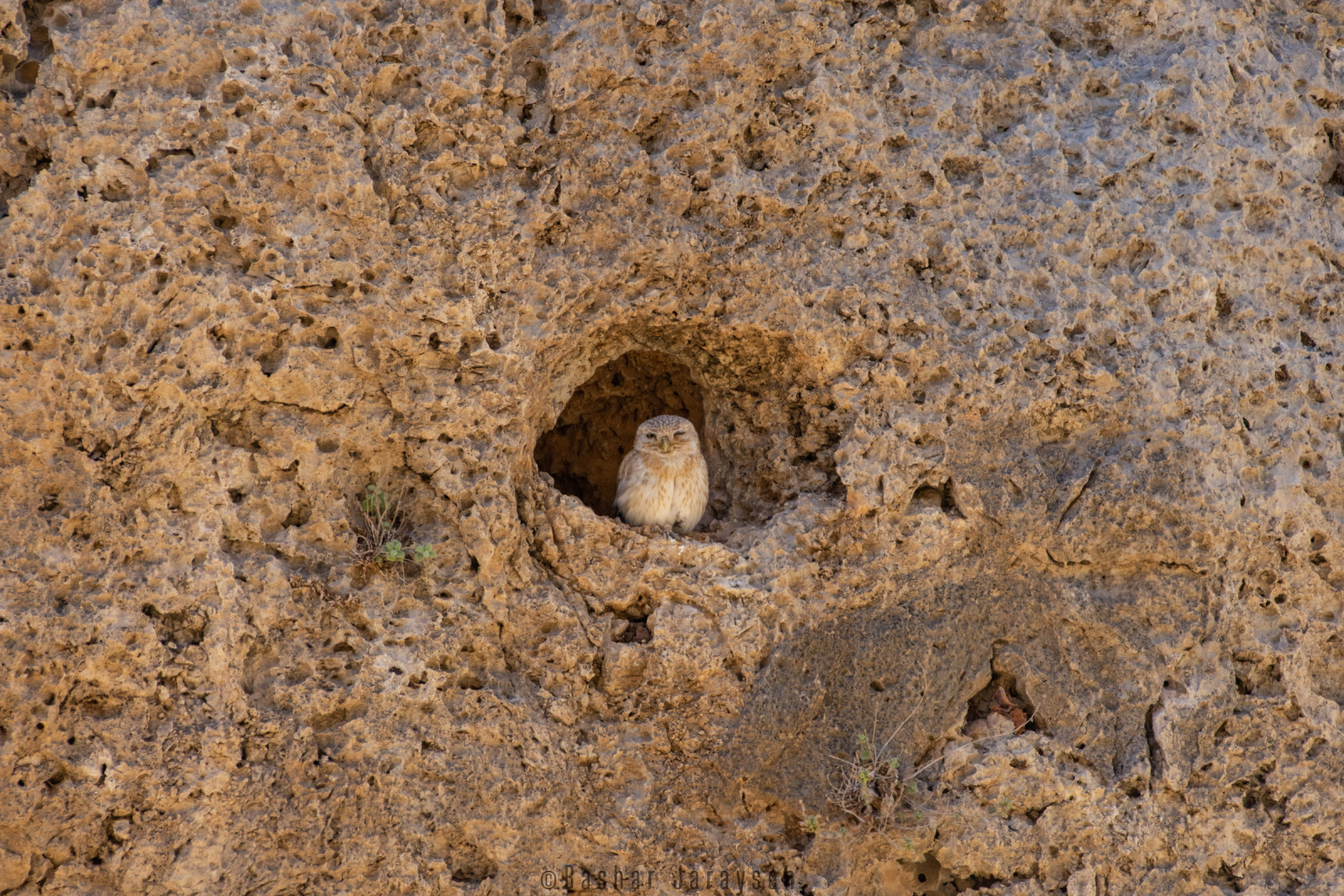
Description
Wadi Fasayil is characterized by a combination of rocky desert slopes, cliffs, open wadis, and localized vegetation around springs and water channels. The presence of permanent water sources creates productive habitats within an otherwise arid landscape, attracting both resident desert species and migratory birds.
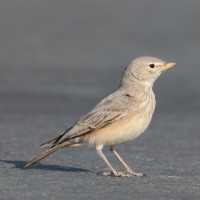
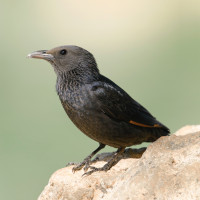
The site supports a typical desert birds, including Desert Lark, Blackstart, Tristram's Starling, Вівсянка строкатоголова, and Куріпка аравійська. Other notable species include Long-billed Pipit, Скеляр синій, and Серпокрилець малий.
During spring and autumn migration, bird activity increases significantly. Species such as Вівчарик-ковалик, Плиска біла, Берестянка бліда, and various wheatears use the area as a stopover, while soaring birds including Шуліка чорний and Steppe Buzzard are regularly observed. The site also offers good chances of seeing Беркут and Орел-карлик яструбиний.
Details
Access
Wadi Fasayil Nature Reserve is located in the central Jordan Valley, northeast of Jericho, near the village of Fasayil and below the eastern slopes of the central highlands. The reserve can be accessed by car via Road 90. Informal parking is available near access points along the wadi. There is no direct public transport into the reserve.
The area is best explored on foot. Visitors can walk along the wadi and around springs and vegetated areas, or follow longer routes through the valley. Terrain is generally moderate, with rocky sections and exposed areas.
There is a hiking trail of approximately 7 km that starts from the eastern slopes north of Duma and descends toward Wadi Fasayil. This is a linear route, passing springs, open slopes, and desert habitats before reaching the wadi near Fasayil. Transport should be arranged at both ends.
Allow 2–3 hours for a short visit focused on birding near water sources, or longer for hiking the full trail.
Terrain and Habitat
Canyon/cliff , Desert , MountainConditions
Hilly , Rocky , Dry , No shadow , MountainousCircular trail
NoIs a telescope useful?
Can be usefulGood birding season
All year roundBest time to visit
Winter , Spring migration , Autumn migration , SpringRoute
Unpaved road , Narrow trailDifficulty walking trail
Average walkAccessible by
FootBirdwatching hide / platform
NoExtra info
The best time to visit is during spring and autumn migration, when bird diversity is highest. Summer conditions are extremely hot, and visits should be limited to early morning.
The wadi includes historical features such as ancient water systems, springs, and caves, adding cultural interest to the site. Visitors should remain on accessible paths, carry sufficient water, and avoid hiking during extreme heat or after heavy rain due to flash flood risk.
 by Artemy Voikhansky, CC BY-SA 4.0 httpscreativecommons.orglicensesby-sa4.0, via Wikimedia Commons.jpg)

 ) to insert bird names in your own language. The birdnames will automatically be translated for other users!