

Description
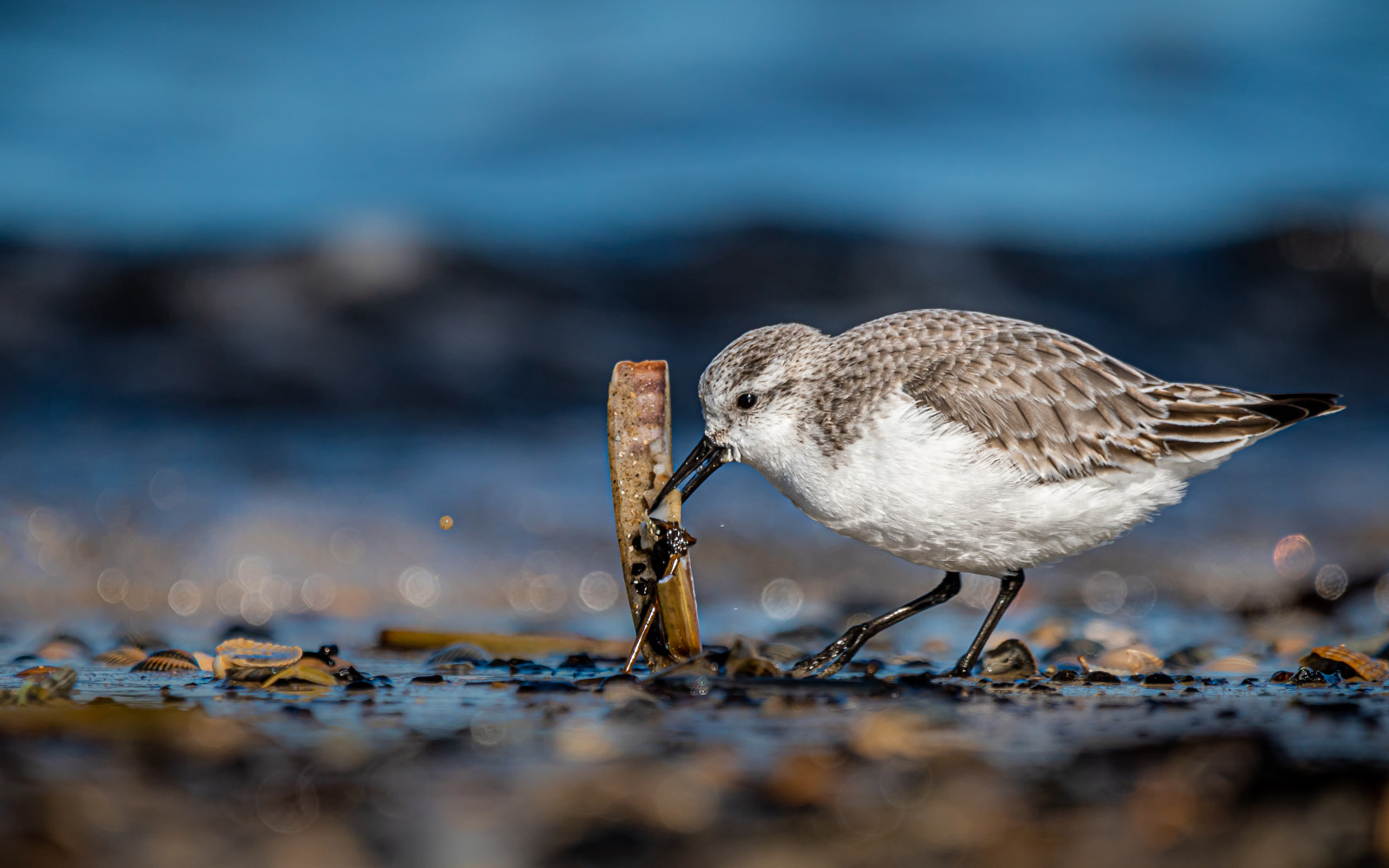
A visit to Spiekeroog can be very relaxing and exciting and the same time. The laid-back living-style on the island, where cars are forbidden and even bikes are scarse allows for great stress relief in the vast expanses of marshes, wadden areas or in the scenic village, while huge flocks of Побережник чорногрудий , Коловодник звичайний and many other waders allow for stunning flight spectacles. There are huge breeding colonies of Косар білий, Клуша and the songs of Жайворонок польовий fill the air, whereas in spring and autumn you may always hope for great seawatching and rare vagrants.
Details
Access
There is no airport, so one has to use the ferry to get there. You can find more info on ferries on the link below. There are no cars on the island and no bikes either, so you'll have to do everything by walking (however small, electrical lorries may take your baggage to your apartment)
Terrain and Habitat
Grassland , Plain , Scattered trees and bushes , Dunes , Sea , Beach , Mud flats , ReedbedsConditions
Hilly , Sandy , Open landscape , High water possible , FlatCircular trail
YesIs a telescope useful?
Can be usefulGood birding season
All year roundBest time to visit
Spring migration , Autumn migrationRoute
Paved road , Unpaved road , Wide path , Narrow trailDifficulty walking trail
Average walkAccessible by
Foot , WheelchairBirdwatching hide / platform
NoExtra info
Visiting the island is worthwile at every time of the year as awesome birds can be found throughout the year. Migration can be spectacular in spring and autumn with tens of thousands of Побережник чорногрудий , Кулик-сорока , Кульон великий , Грицик малий , Галагаз євразійський , different gulls feeding in the mudflats. Among them rarer waders such as Побережник малий, Побережник червоногрудий or Кульон середній can be spotted with a bit of patience. The island is famous for being the only stronghold of Сова болотяна in Germany and some of the very last breeding German Лунь польовий.
Seawatching can be very worthwile especially in early May and late September, with good chances for all four Skua species and the occasional alcids or tubenose flying by. The grasslands in the eastern part of the island, where gulls , waders and Косар білий breed are closed off to the public during the breeding time.


.jpg)


 ) to insert bird names in your own language. The birdnames will automatically be translated for other users!