Description
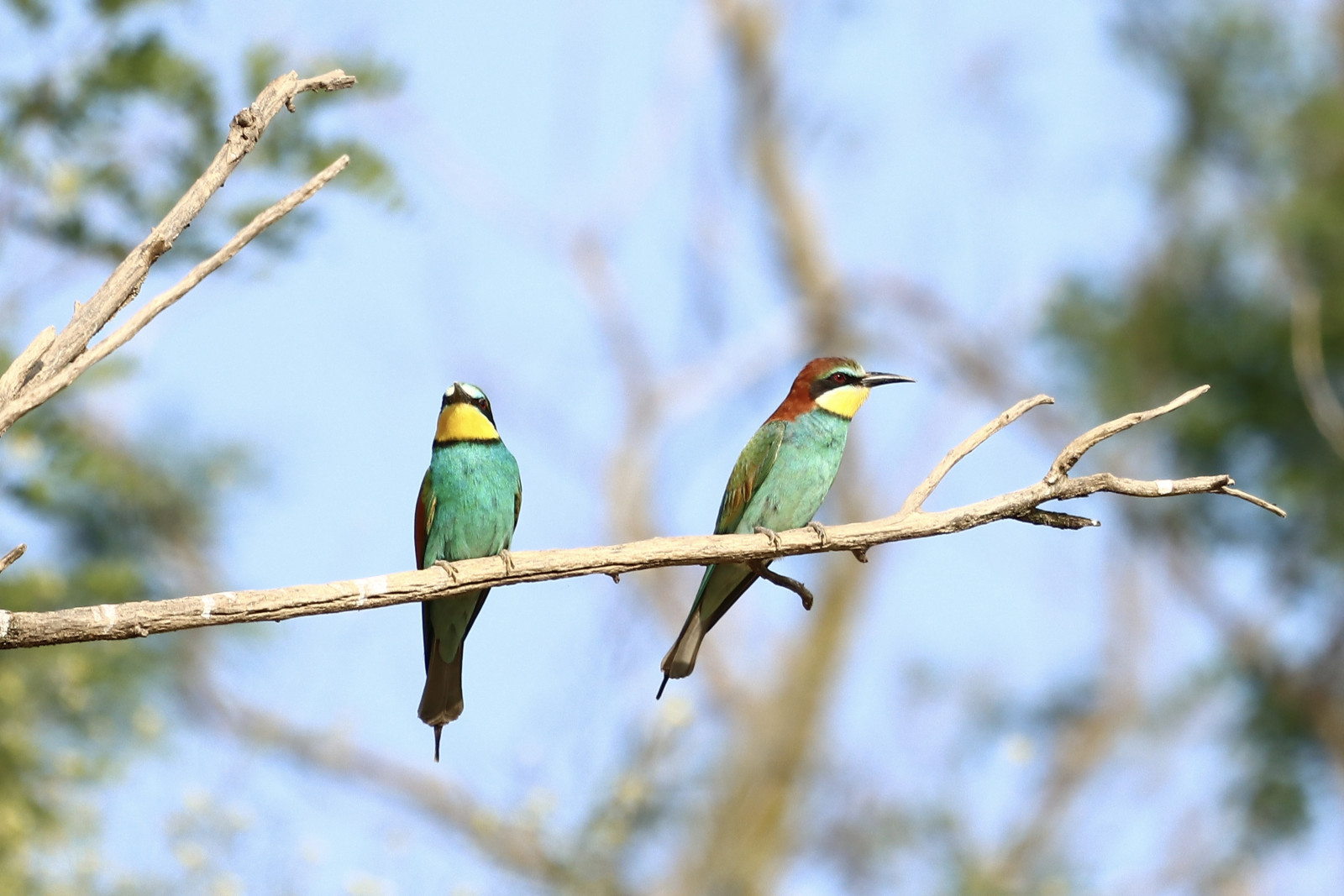
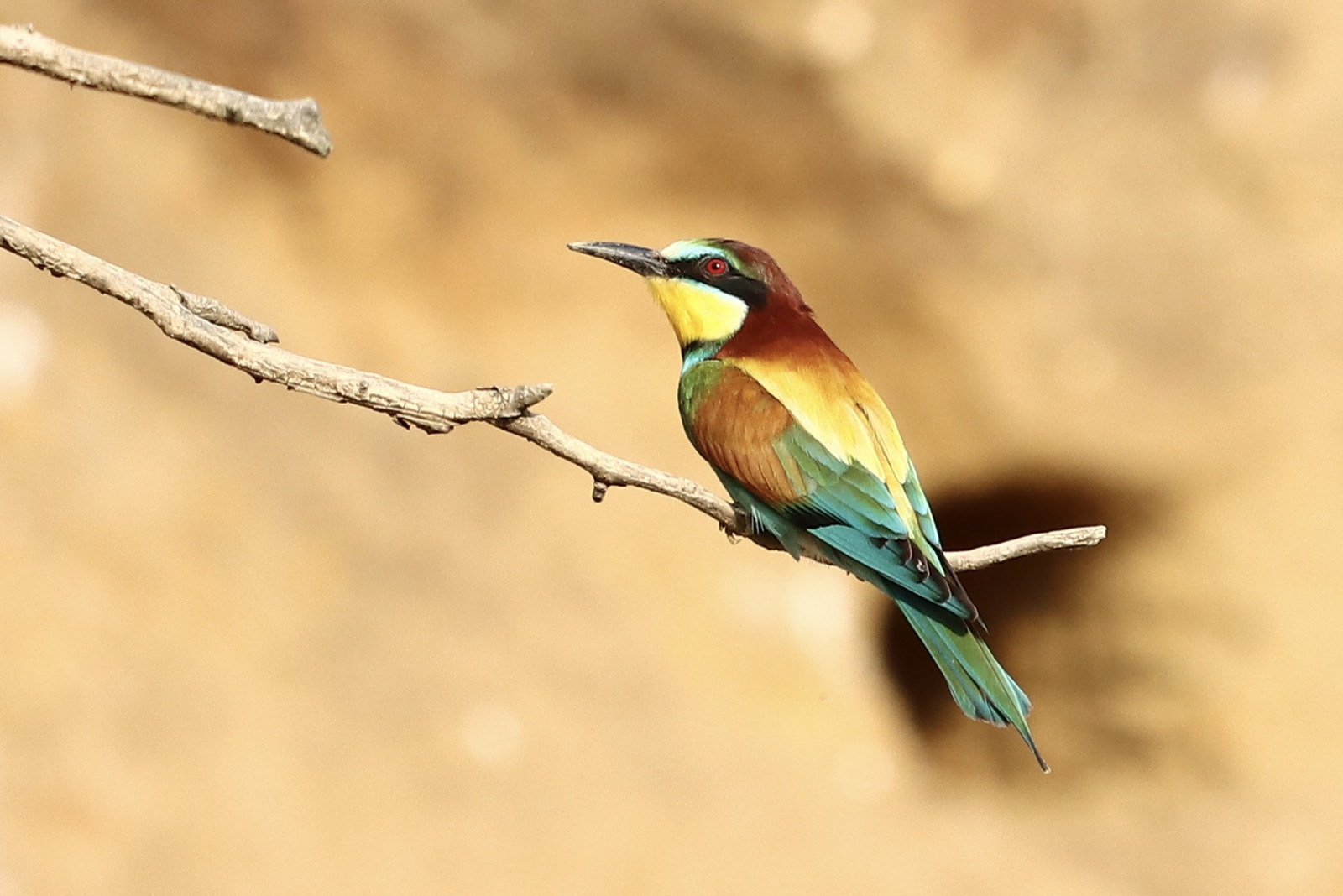
The brilliantly colourful Бджолоїдка звичайна are strictly protected and it is imperative that one use the spacious hide to the west of the breeding wall, so as not to disturb the birds’ breeding activity.
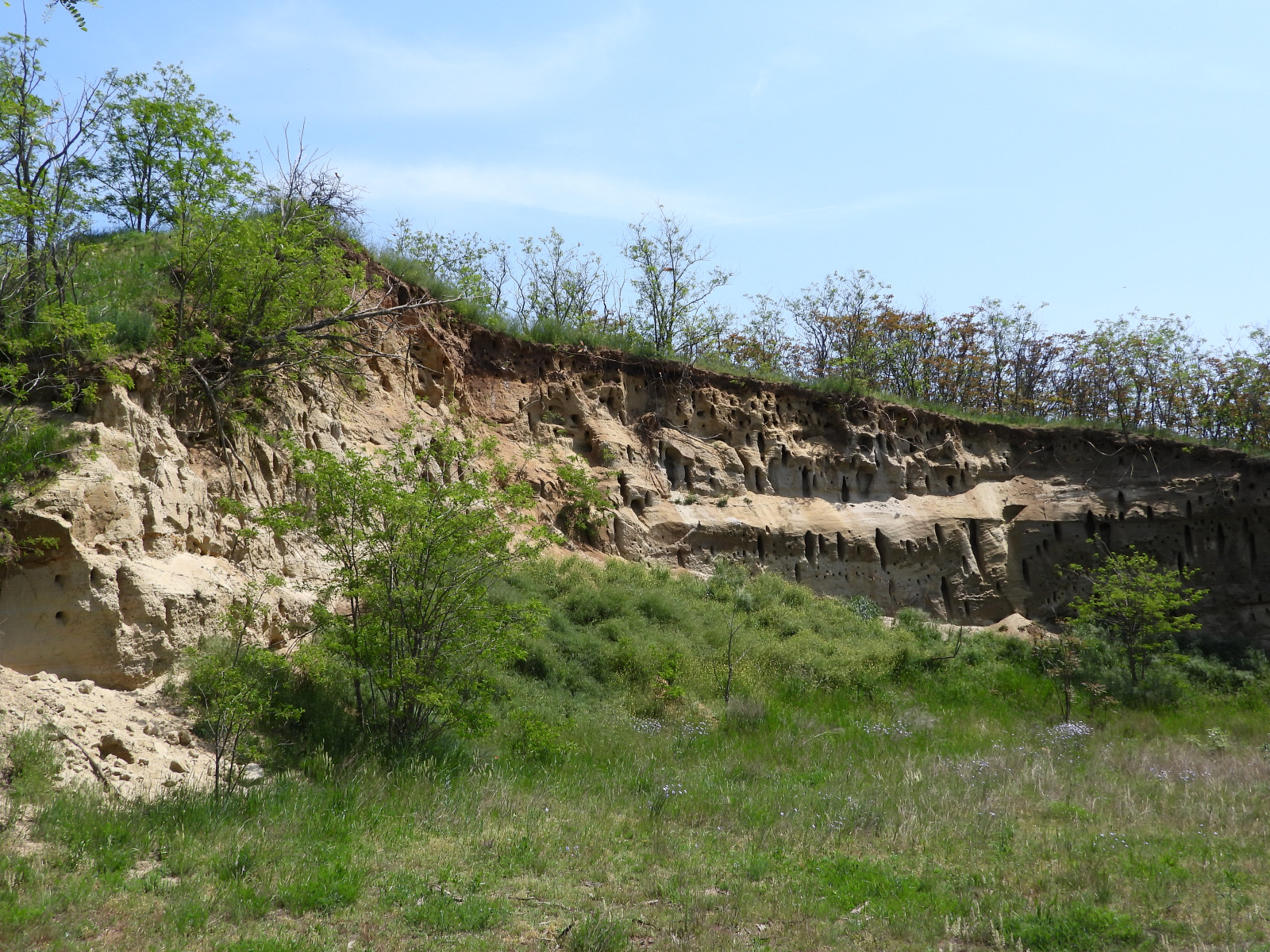
Other birds also make use of abandoned or seized Бджолоїдка звичайна nesting burrows during the breeding season, and the loess wall can harbour a couple of surprises every year.
Details
Access
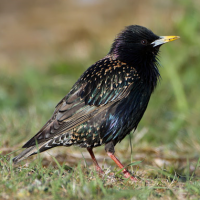
The route begins at the eastern edge of Weiden am See and follows the by-road, immediately north of the main road, to Gols. After 300 m, take the track branching off to the left and leading slightly uphill. In spring and summer,Соловейко західний, Кропив’янка чорноголова, Коноплянка, and Щедрик європейський can be heard singing from the many vineyards and little stands of trees and bushes. At the next fork in the road, at the latest, one should already be able to hear the calls of the Бджолоїдка звичайна that are present here between mid-May and early August. So as not to disturb the birds of another breeding wall nearby, take the trail leading off to the right along the southern edge of a little patch of forest, which leads directly to the desired wall. The entrance to the hide is a few metres to the south. It is important to stay inside this hide for the duration of one’s visit to the colony. Aside from the many Бджолоїдка звичайна, the breeding wall is also used by Боривітер звичайний, Шпак звичайний, and Галка звичайна, to name but a few. A pair of Сич хатній even breeds here in some years.
Terrain and Habitat
Scattered trees and bushesConditions
Sandy , DryCircular trail
YesIs a telescope useful?
NoGood birding season
Summer , SpringBest time to visit
Summer , SpringRoute
Paved road , Unpaved roadDifficulty walking trail
EasyAccessible by
Foot , Bicycle , CarBirdwatching hide / platform
YesExtra info
The first Бджолоїдка звичайна were recorded in Austria towards the end of the 19th century. The first breeding sites were located along the unregulated banks of the Danube. Today, breeding sites in Austria are restricted to secondary breeding walls in sand and gravel pits, vineyards, and defiles. Since Бджолоїдка звичайна dig a new burrow every year, smaller breeding walls can be used up fairly quickly. Knowing the locations of occupied breeding walls, avoiding (human) disturbance during the breeding period, and occasional maintenance of the walls are essential for a vital breeding population of the richly coloured birds.



 ) to insert bird names in your own language. The birdnames will automatically be translated for other users!