
Description
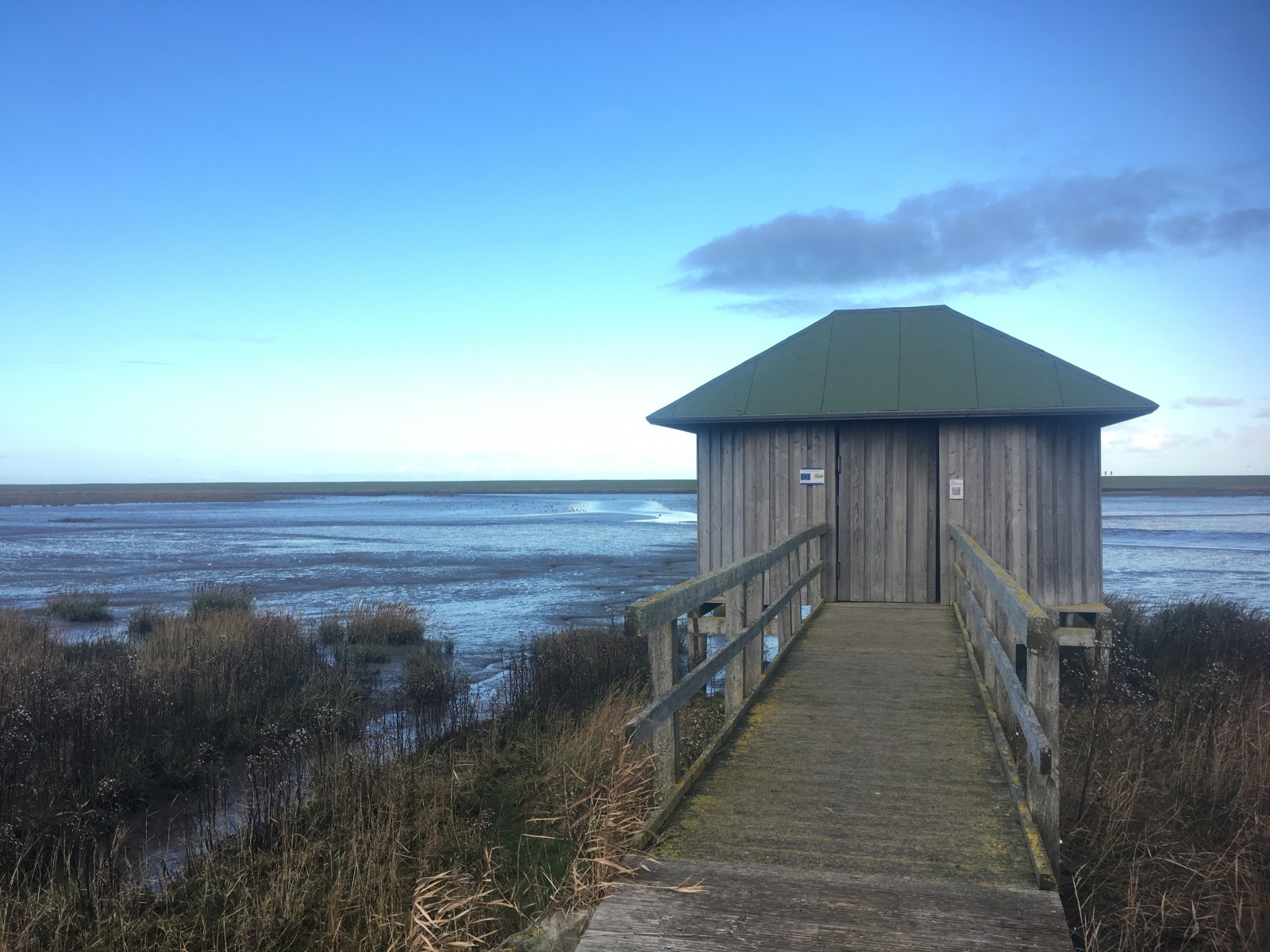
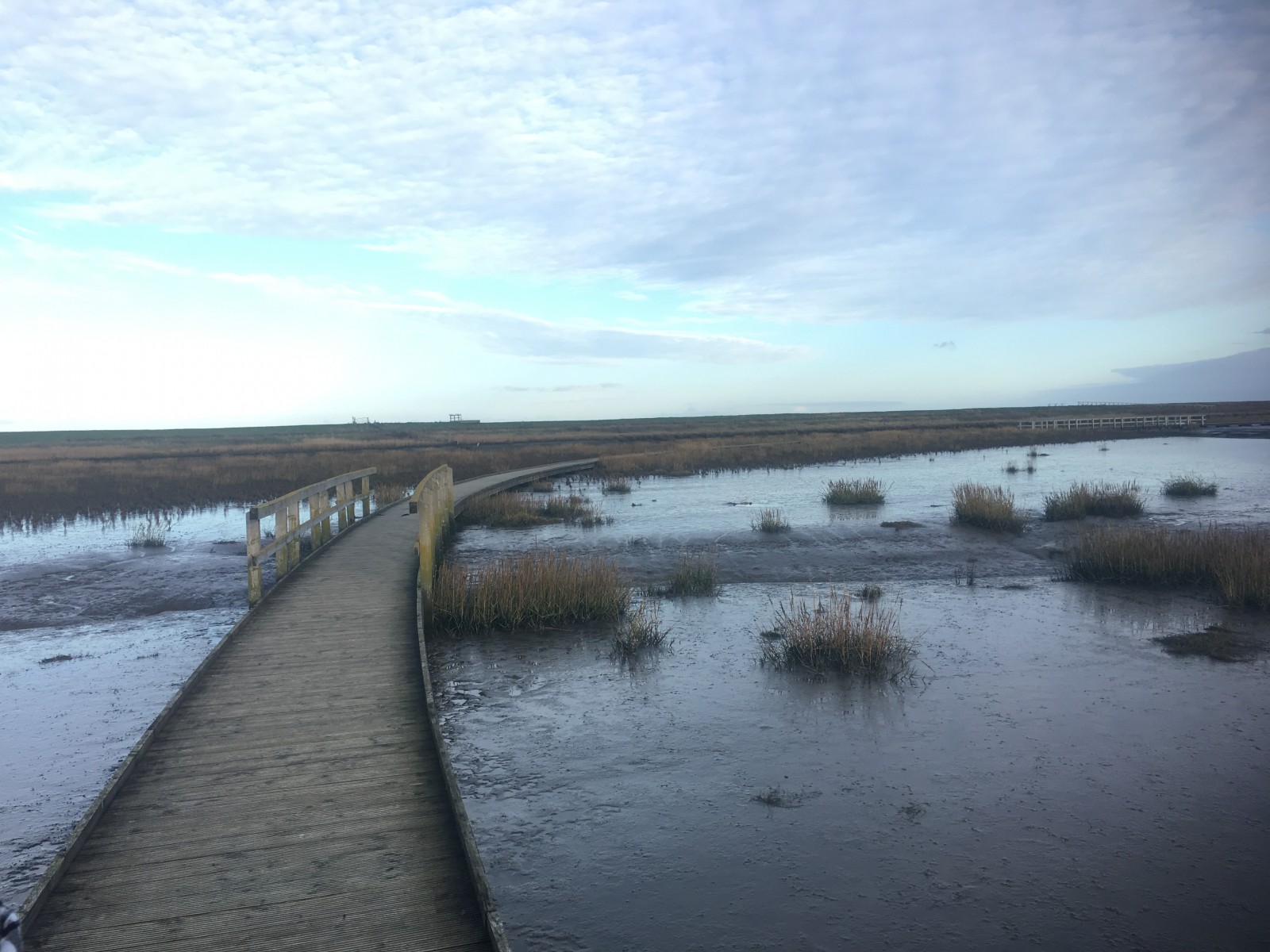
The Langwarder Groden was created by reopening a front dike, so that the diked Groden was opened again to the influence of the tide. This created extensive mud flats, shallow water areas and salt marshes - habitats for many breeding and resting birds. The Groden is part of the Wadden Sea National Park. During the breeding season, for example, Çayır incirkuşu, Tarlakuşu, Kızılbacak or Kızkuşu can be found here. During migration times, numerous migrants of the Wadden Sea can be observed here, partly in impressive numbers of waders, such as Kızılbacak, Altın yağmurcun or Kervançulluğu and ducks, such as Fiyu, Çamurcun or Kilkuyruk. Kır baykuşu and Gökçe delice also hunt in the salt marshes in winter.
The typical songbird winter guests such as Sarıgagalı ketenkuşu, Kulaklı toygar, kaya incirkuşu and Alaca kirazkuşu, as well as Mahmuzlu kirazkuşu can also be found here. There is a nicely landscaped path through the shingle areas and a very well positioned bird watching hide. Inside the dyke you can also watch flocks of geese grazing from the main dike. The "National Park House" visitor center is located in Fedderwardersiel.
Details
Access
There are parking spaces in the inner dike. Easily accessible by bike along the North Sea dike, but in some of the central areas of the area there is a cycling ban. Difficult to get to by public transport.
Terrain and Habitat
Wetland , Grassland , Sea , Mud flatsConditions
Flat , No shadow , High water possible , Open landscape , SlipperyCircular trail
YesIs a telescope useful?
Can be usefulGood birding season
All year roundBest time to visit
Winter , Spring migration , Autumn migrationRoute
Narrow trail , Unpaved road , Paved road , Wide pathDifficulty walking trail
Average walkAccessible by
Foot , WheelchairBirdwatching hide / platform
YesExtra info
In summer it can be very crowded due to the North Sea tourists.


 ) to insert bird names in your own language. The birdnames will automatically be translated for other users!