Beskrivning
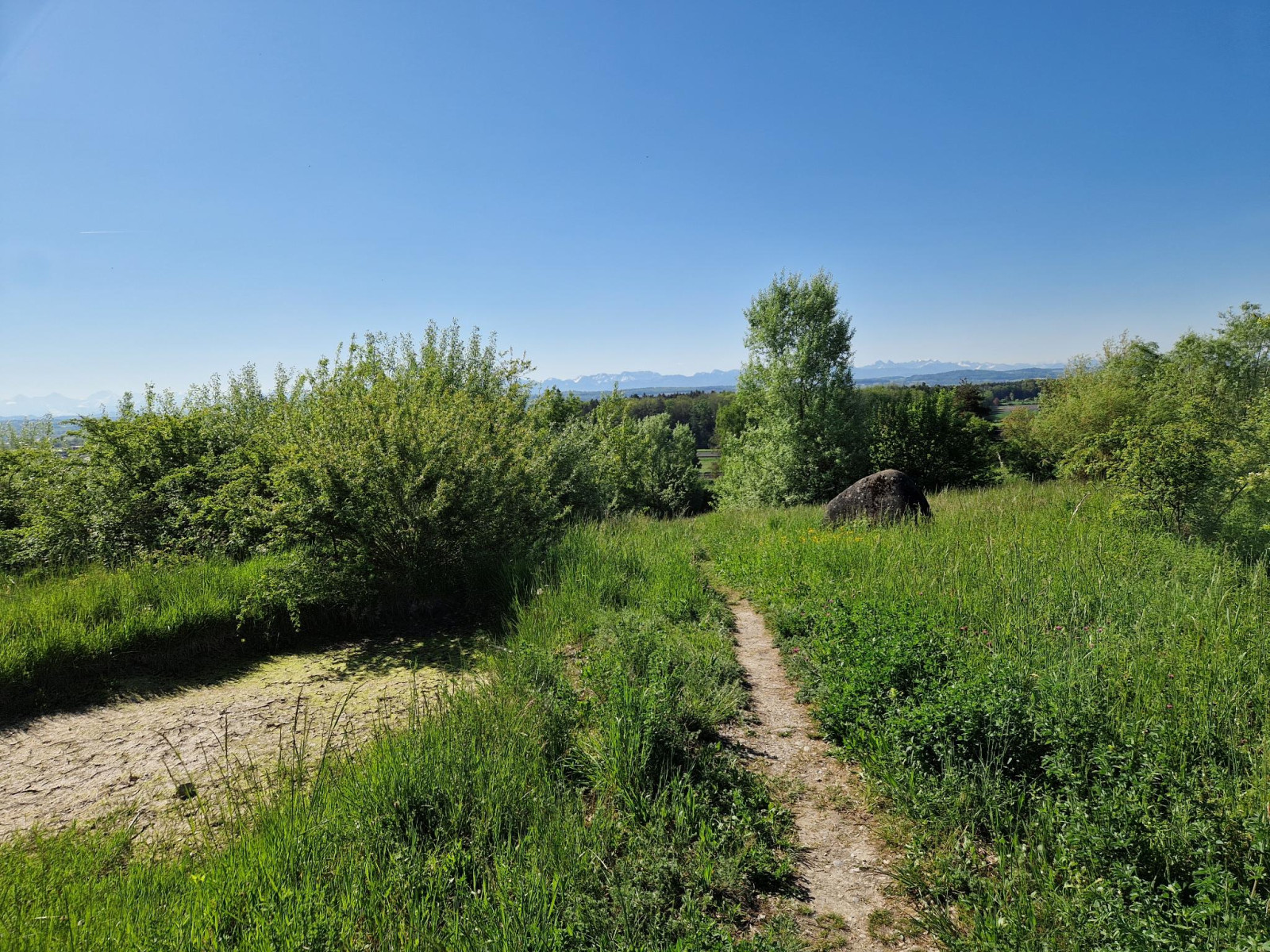
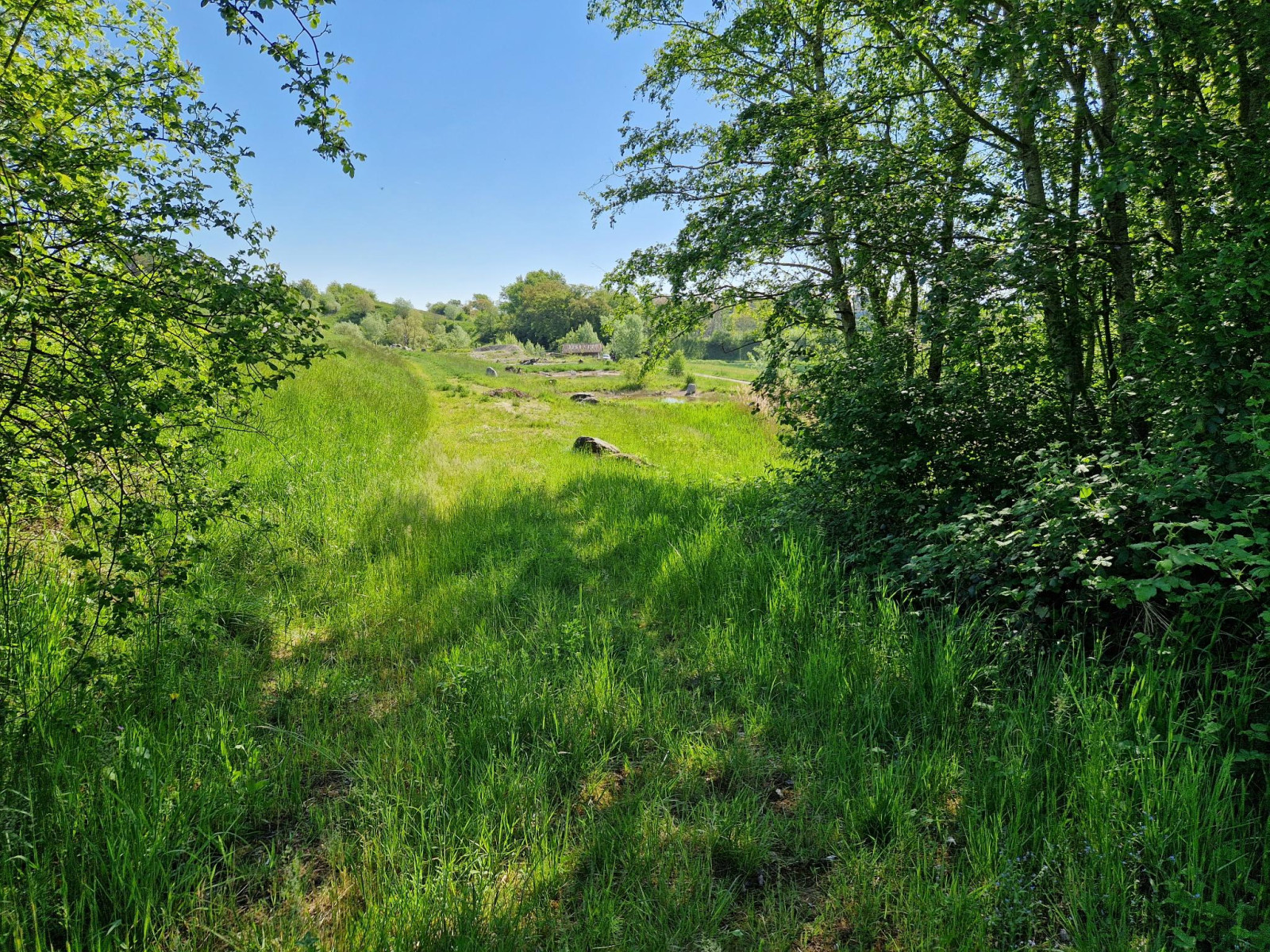
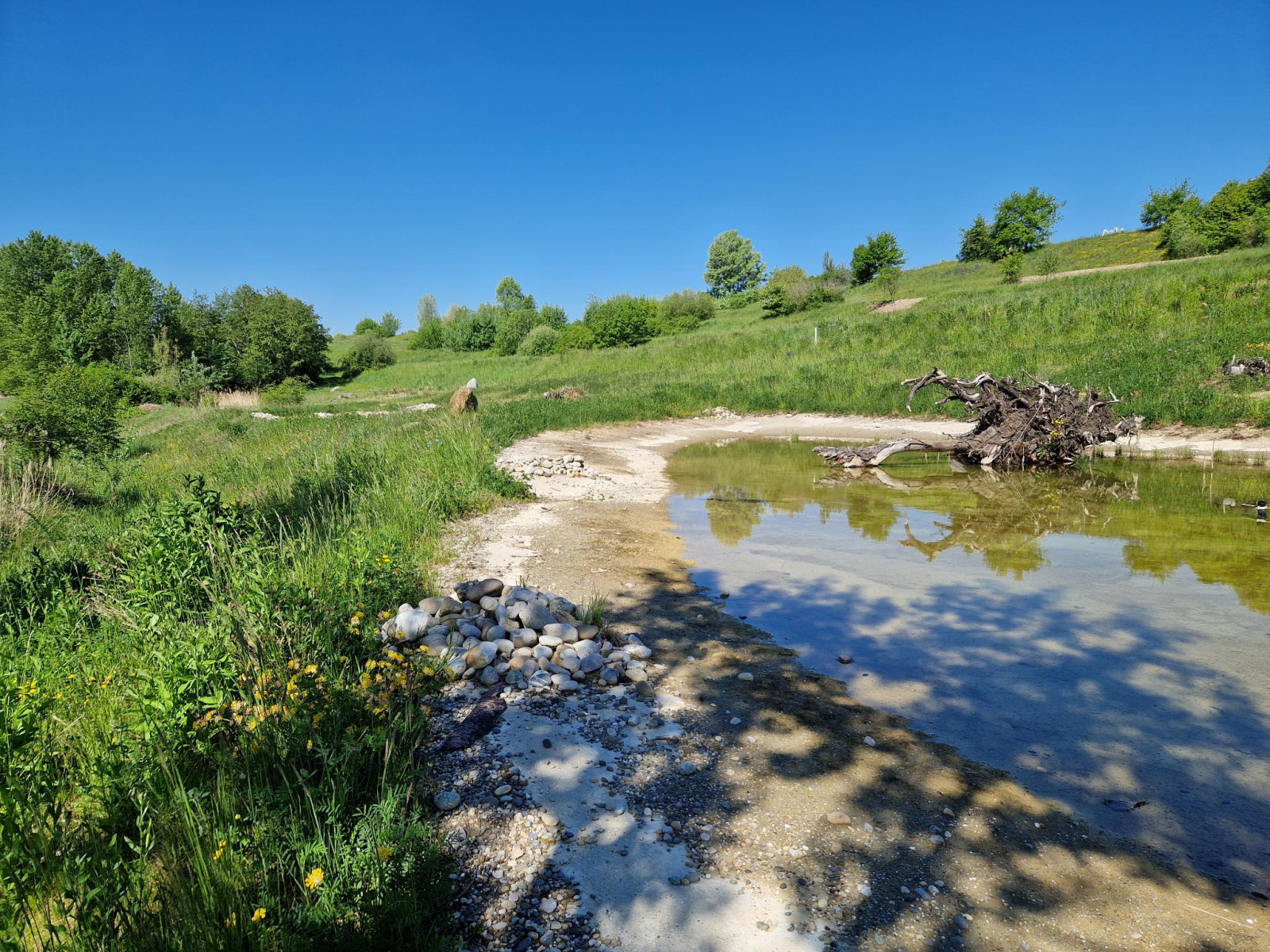
About 150 species have so far been recorded in this tiny nature reserve. Bir länge Stude is part of the Grosses Moos in the north of Lake Neuchâtel. It consists of a south-facing slope with semi-dry meadows (1), richly structured hedges (2) and a restored gravel pit (3). At the foot of the slope, some ponds have been created for amphibians (4); a small, ecologically managed vineyard (5) is cultivated here on a voluntary basis.
The typical birds of these habitats, which have become rare elsewhere, include törnsångare, sydnäktergal, törnskata, buskskvätta, rödstjärt and svarthakad buskskvätta. The orchard trees provide food for göktyta. Especially in the tree groups lower down (6) you’ll find turturduva and sommargylling. One of the main target species of conservation efforts here is the kornsparv, which has one of its last refuges in Switzerland in the Grosses Moos. Somewhat less frequently, gräshoppsångare, ärtsångare and vaktel are also seen. Noteworthy too is the large colony of backsvala in the restored gravel pit. From there, the call of the biätare has been heard repeatedly - so far probably only from migrating individuals.
During spring migration, rare relatives of the habitat’s typical resident species turn up again and again: korttålärka, ortolansparv, rosenstare, and most recently a rödhuvad törnskata have been sighted. jorduggla and aftonfalk have also already stopped over in the area.
Detaljer
Tillgänglighet
Bir Länge Stude is located between the villages of Müntschemier and Ins. The area is not specifically wheelchair accessible, but is mostly walkable on small paths. It’s somewhat remote and best reached by bike or on foot.
Terräng och habitat
Skog , Jordbruk , Spridda träd och buskar , Slätt , DammFörhållanden
Kulligt , Öppet landskapRundtur
JaTubkikare behövs?
NejBästa säsong för skådning
Vår , Sommar , HöstBästa tid för ett besök
VårsträckRutt
Bred stig , GrusvägHur ansträngande vandring
Lätt vandringNås
Till fotsFågeltorn / plattform
NejExtra information
If you’re birding here, you’ll often find yourself alone in open fields. An early morning visit is recommended.



 ) Lägg till fågelnamen på ditt egna språk, namnen kommer automatiskt översättas till andra användare.