Beskrivning
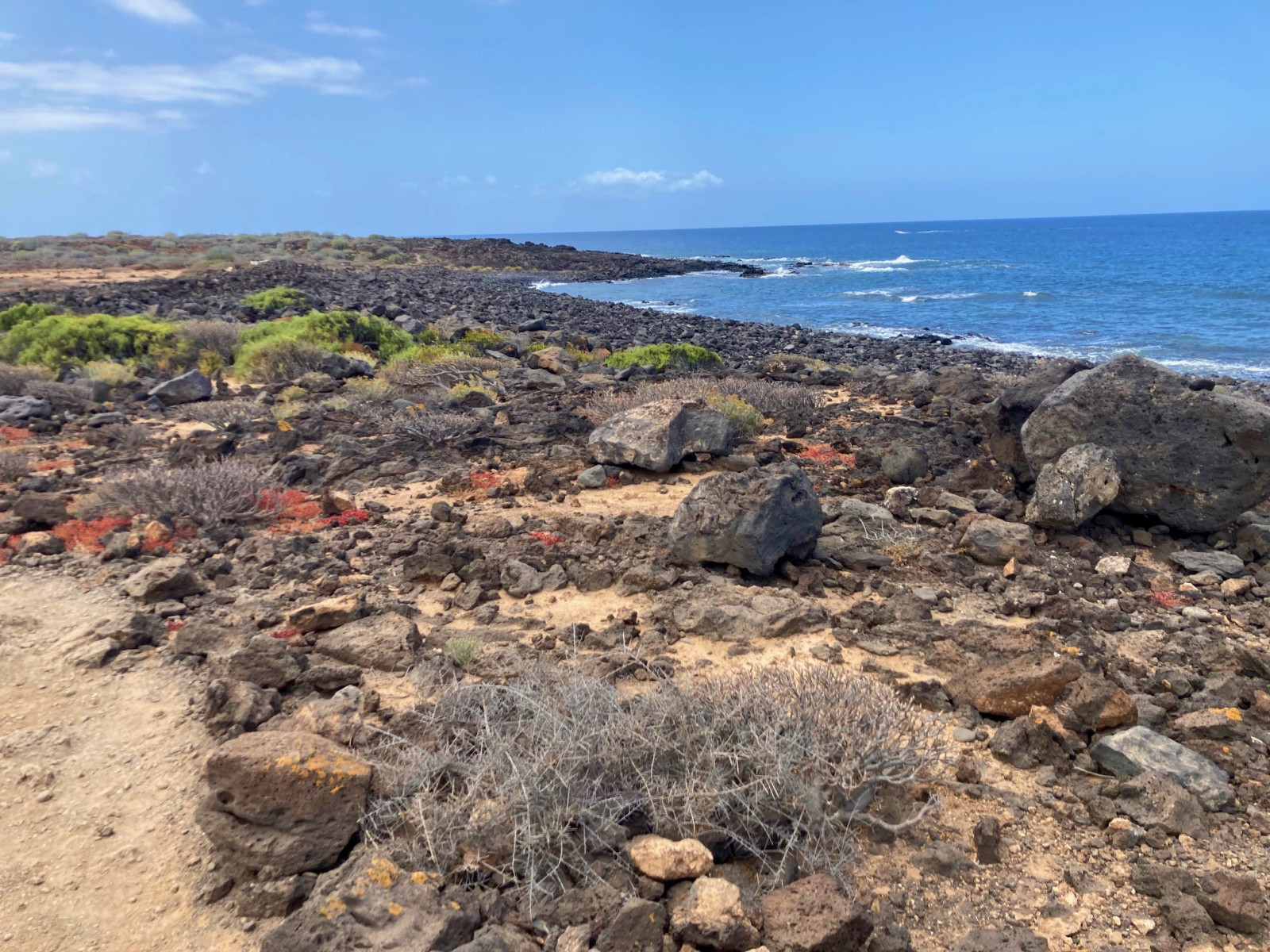
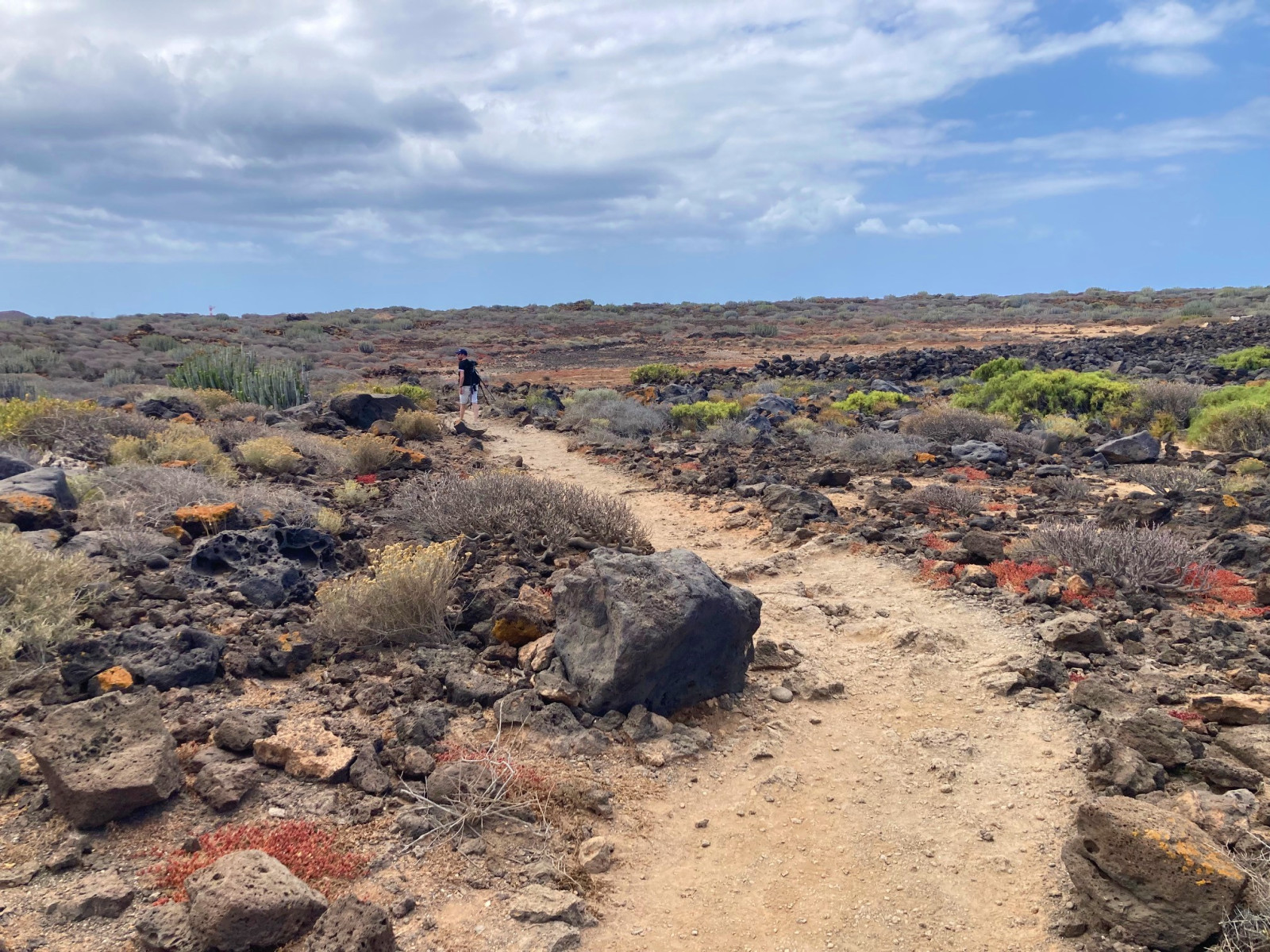
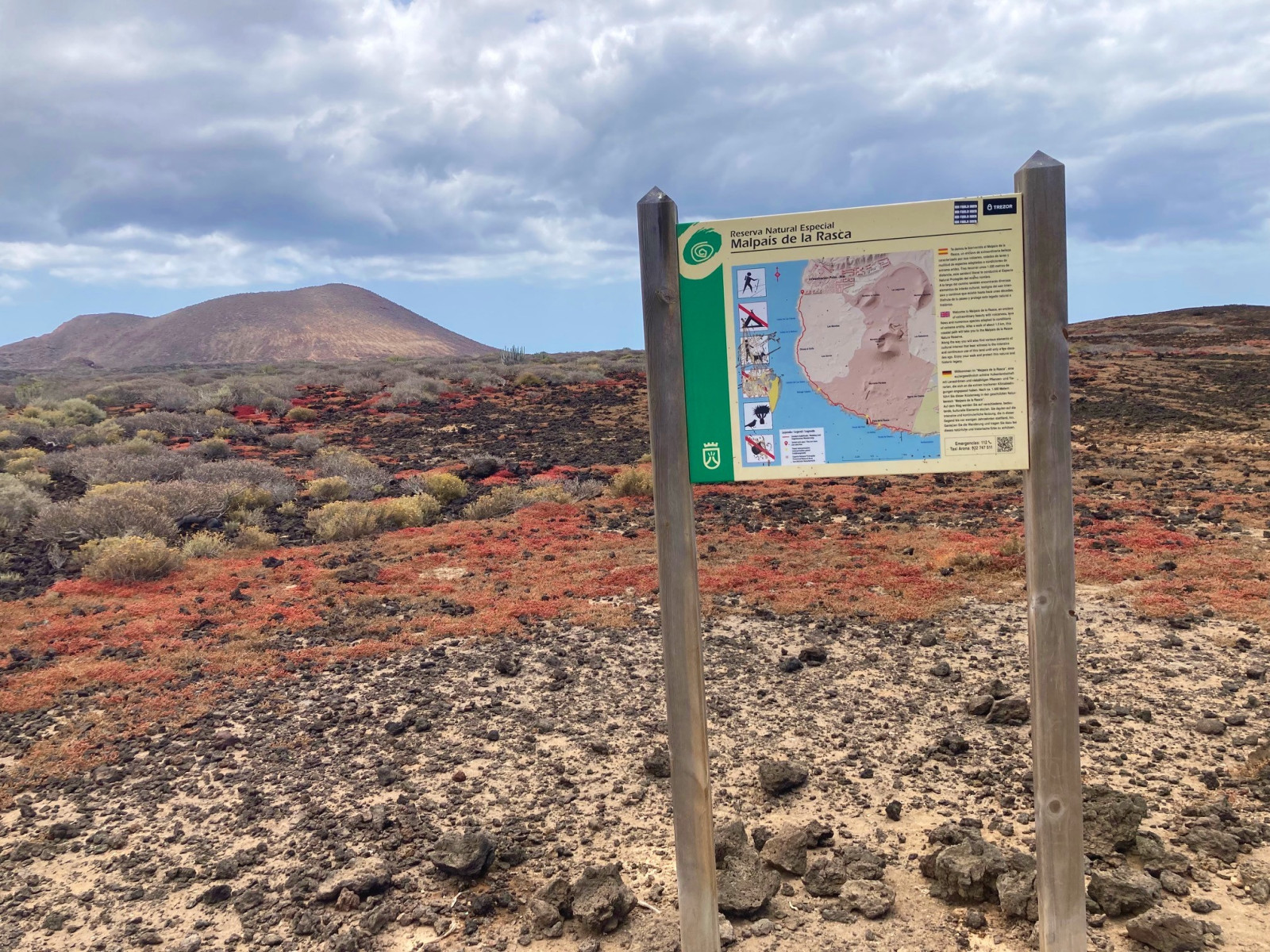
The Malpaís de Rasca nature reserve with its volcanic cones that dominate the area create a striking and unique coastal landscape. The other-worldly landscape is created by tongues of lava known as malpaís (meaning "bad country" because of its rough ground). The area is home to inland and coastal species of Canary Island spurges and euphorbia, as well as a number of native plant species.
Various species of sea birds and herons can be seen on the coastline and above sea. Especially during migration periods this is a nice area for birding and making the beautiful coastal walk to the lighthouse of Faro de Rasca. Among the birds you can see on the coastline during migration are kustpipare, roskarl, större strandpipare, småspov, drillsnäppa, gluttsnäppa and Silkeshäger. Birds out on see include mainly Gulnäbbad lira, medelhavstrut and sometimes other seabirds. Inland birds include klipphöna, Varfågel, glasögonsångare and kanariepiplärka. Outside the migration period, the birding is far less interesting, although the walk to the lighthouse remains a great scenic hike.
Detaljer
Tillgänglighet
To reach Malpaís de Rasca, take the TF-1 motorway and turn off at Guaza. Head towards the village of El Palm-mar and park there on the edge of town at the beginning of the coastal path. Click on the P in the map for directions. In the nature reserve of Malpaís de Rasca, only access on the coastal path is allowed. The coastal path from El Palm-mar to the lighthouse is indicated on the map and is 3 km one way, and 6 km there and back.
Terräng och habitat
Hav / ocean , Kanjon/klippaFörhållanden
Ingen skugga , Öppet landskap , KlippigtRundtur
NejTubkikare behövs?
JaBästa säsong för skådning
Året runtBästa tid för ett besök
Vårsträck , HöststräckRutt
Bred stigHur ansträngande vandring
Genomsnittlig vandringNås
Till fotsFågeltorn / plattform
NejExtra information
For watching the seabirds out on sea a spotting scope is necessary. In order not to carry the telescope all the way to the lighthouse, you can also use the viewpoint at the beginning of the walk for seabird watching.


 ) Lägg till fågelnamen på ditt egna språk, namnen kommer automatiskt översättas till andra användare.