
Beskrivning
Ormož lake was created by damming river Drava for hydroelectricity production purposes in neighbouring Croatia. The lake itself is cut in half by the border between the two countries. Ormož basins were previously used as storage tanks for wastewater from the sugar factory in Ormož. Large concentrations of nutrients led to an abundance of food – the abandoned pools therefore became an important location for many nesting and migratory endangered bird species.
Detaljer
Tillgänglighet
You can get to the lake and basins either by train or intercity bus. Both stations are situated in Ormož and are fairly close. From the train station you head towards river Drava on the road in direction of the stream. After about a 10 minute walk you reach the embankment (on your right), from where you can observe the lake. If you want to reach the Ormož basins, you have to leave the embankment by crossing one of several footbridges. You continue your way on the dirt road, which turns left, leading to the basins. Here you have to be especially careful not to harass birds. On your visit therefore please stay on the dirt road. Do not walk among pools and on embankments! The visit of the lake and the lagoons will take you a whole day.
Terräng och habitat
Våtmark , Flod , Gyttjig strand , VassarFörhållanden
PlattRundtur
NejTubkikare behövs?
JaBästa säsong för skådning
Året runt , Vinter , Vår , HöstBästa tid för ett besök
Höststräck , VårsträckRutt
Grusväg , Bred stigHur ansträngande vandring
Lätt vandringNås
Till fots , Cykel , BilFågeltorn / plattform
JaExtra information
Lake Ormož and basins are a very important for birds. In winter you can observe the bläsgås , tajgasädgås and grågås here. Many duck species, great flocks of sothöna and havsörn. Winter is also a time when the knipa and salskrake frequently occur. Reeds growing at the beginning of the lake are a nesting place for several species of warblers and dvärgrördrom in the summer. Numerous species of gulls can be found on the lake. Occasionally rare gull species can be seen.
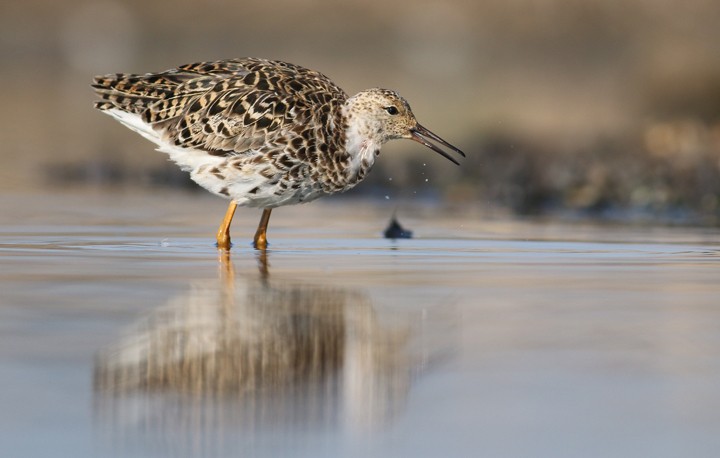
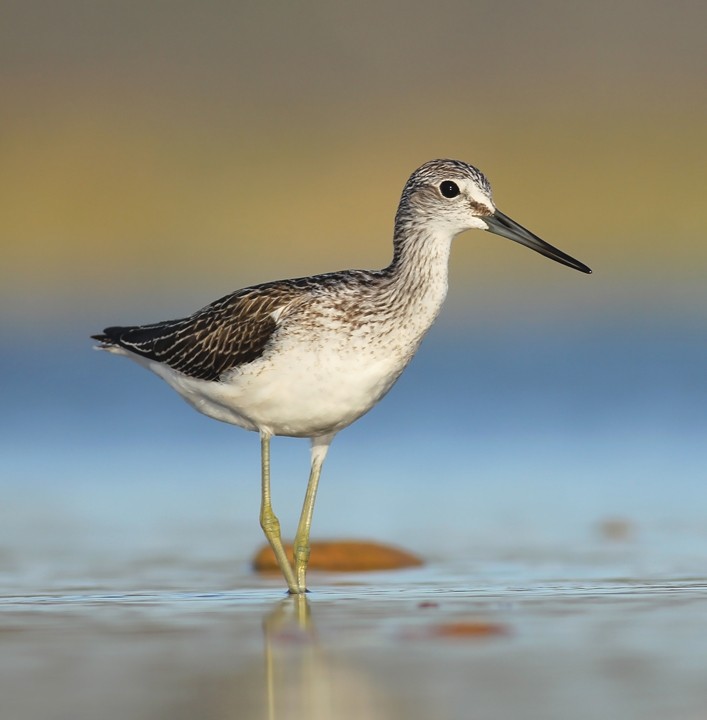
In spring, summer and autumn the Ormož basins are a place where you can observe different waders such as the rödbena and svartsnäppa, and (even!) dammsnäppa, gluttsnäppa, rödspov and större strandpipare. In time of migration various species of waders and dabbling ducks are present in the area. Water pools are a nesting place for fisktärna, skrattmås and styltlöpare. The vitögd dykand, a species of global environmental concern, nests here as well. Singing of vattenrall can often be heard from the reeds in summer months, and with some luck we can also hear the mindre sumphöna and småfläckig sumphöna. In the warm half of the year we can observe the brun kärrhök (which also nests here) and in winter time the blå kärrhök often glides over the reeds.


 ) Lägg till fågelnamen på ditt egna språk, namnen kommer automatiskt översättas till andra användare.