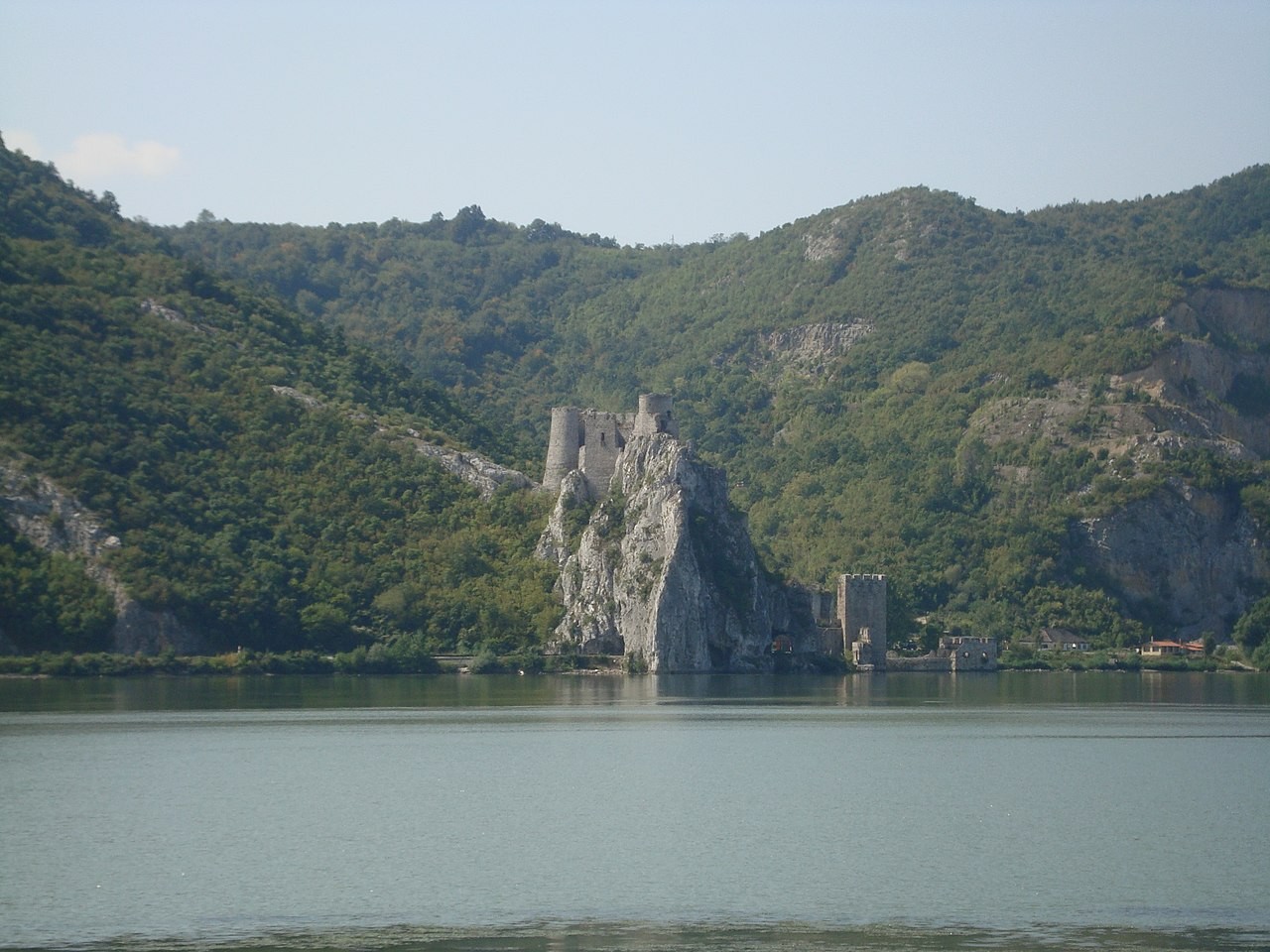
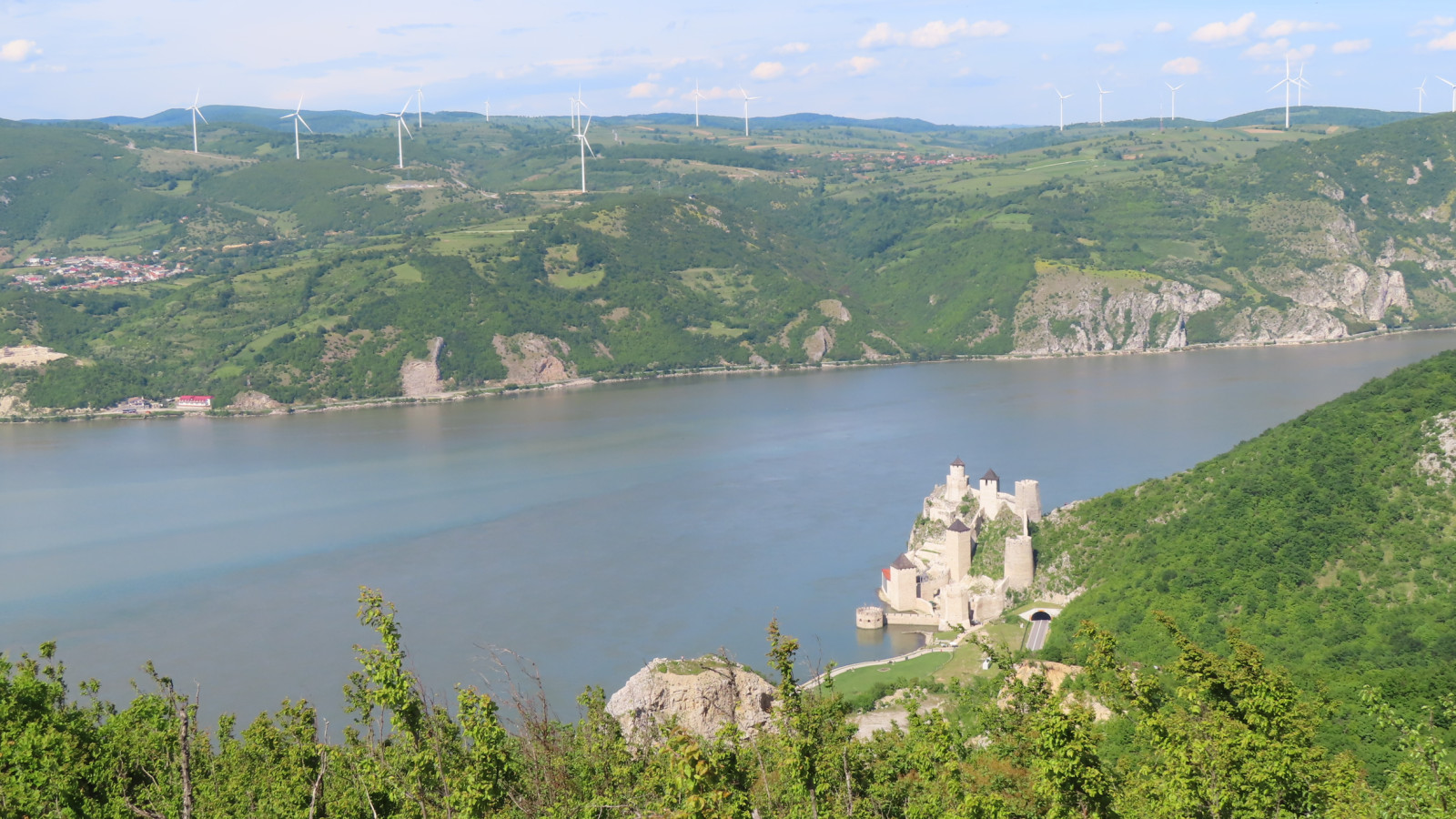
Beskrivning
Observe from the main Djerdap magistral road, stopping at the few vantage points which permit scanning across the vast Danube surface. In winter, a spotting scope is necessary.
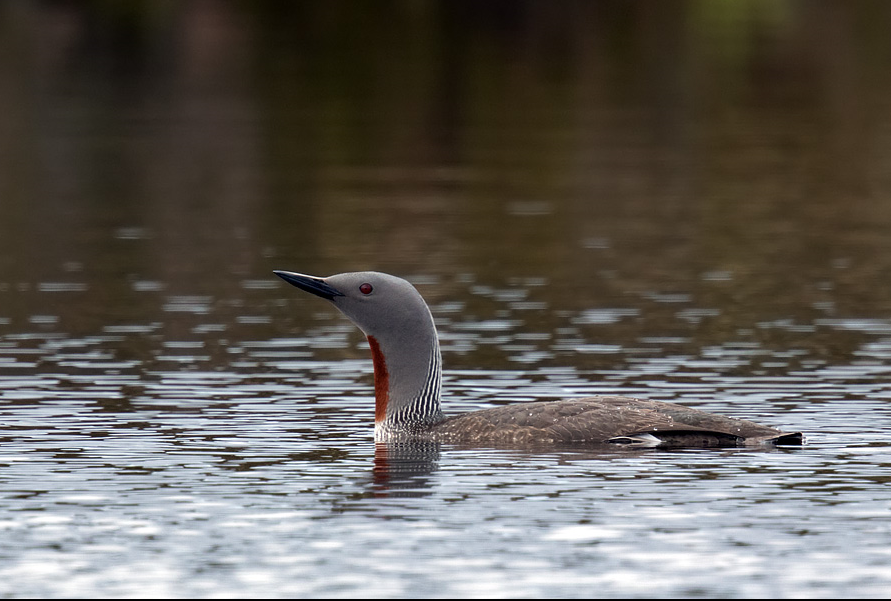
In winter you can expect bergand, salskrake, storskrake, småskrake, knipa, storlom and smålom, svarthakedopping, dvärgskarv, bläsgås, sometimes svärta. While you are near the Golubac fortress, check the nearby rock faces and quarries for murkrypare. Finally, to find a few more duck species, plus the blå kärrhök and brun kärrhök, visit the more narrow section of the river upstream from the village of Vinci. Avoid windy days – the birds will be looking for cover away from the bank.
In spring, those formidable cliffs are known to hold alpseglare (resembling kids screaming on a rollercoaster), Eurasian klippsvala, Rostgumpsvala, and klippsparv.
A strong easterly wind is common in the area, which can make birding challenging.
Photo WikimediaCommons
Detaljer
Tillgänglighet
By car only. It is possible to scan the water from several unofficial car parks, but also from the promenade inside the town. For driving directions, zoom in on the map and click on the "P" (parking) sign.
130 km or two hours’ drive from Belgrade. Reachable from the Belgrade - Niš motorway, turn off at the Požarevac exit and then follow the signs leading for the Golubac Fortress and the Djerdap National Park. The fortress lies about 70 km from the motorway. For driving directions, zoom in on the map and click on the "P" (parking) sign.
Terräng och habitat
Kanjon/klippa , Sjö , FlodFörhållanden
Öppet landskapRundtur
NejTubkikare behövs?
JaBästa säsong för skådning
Vinter , VårBästa tid för ett besök
VinterRutt
Asfalterad vägHur ansträngande vandring
Lätt vandringNås
BilFågeltorn / plattform
NejExtra information
The first known record of the Golubac Fortress comes from the early 14th century. It changed hands repeatedly until the mid-19th century, when it was turned over to the Serbian Duke Mihailo Obrenovic III.


 ) Lägg till fågelnamen på ditt egna språk, namnen kommer automatiskt översättas till andra användare.