Beskrivning
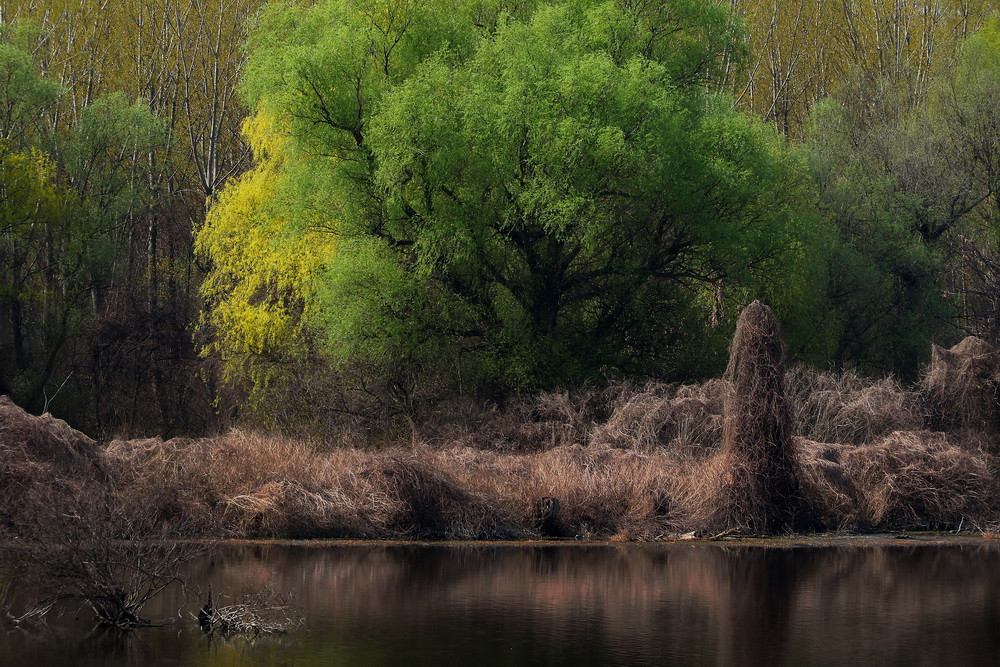
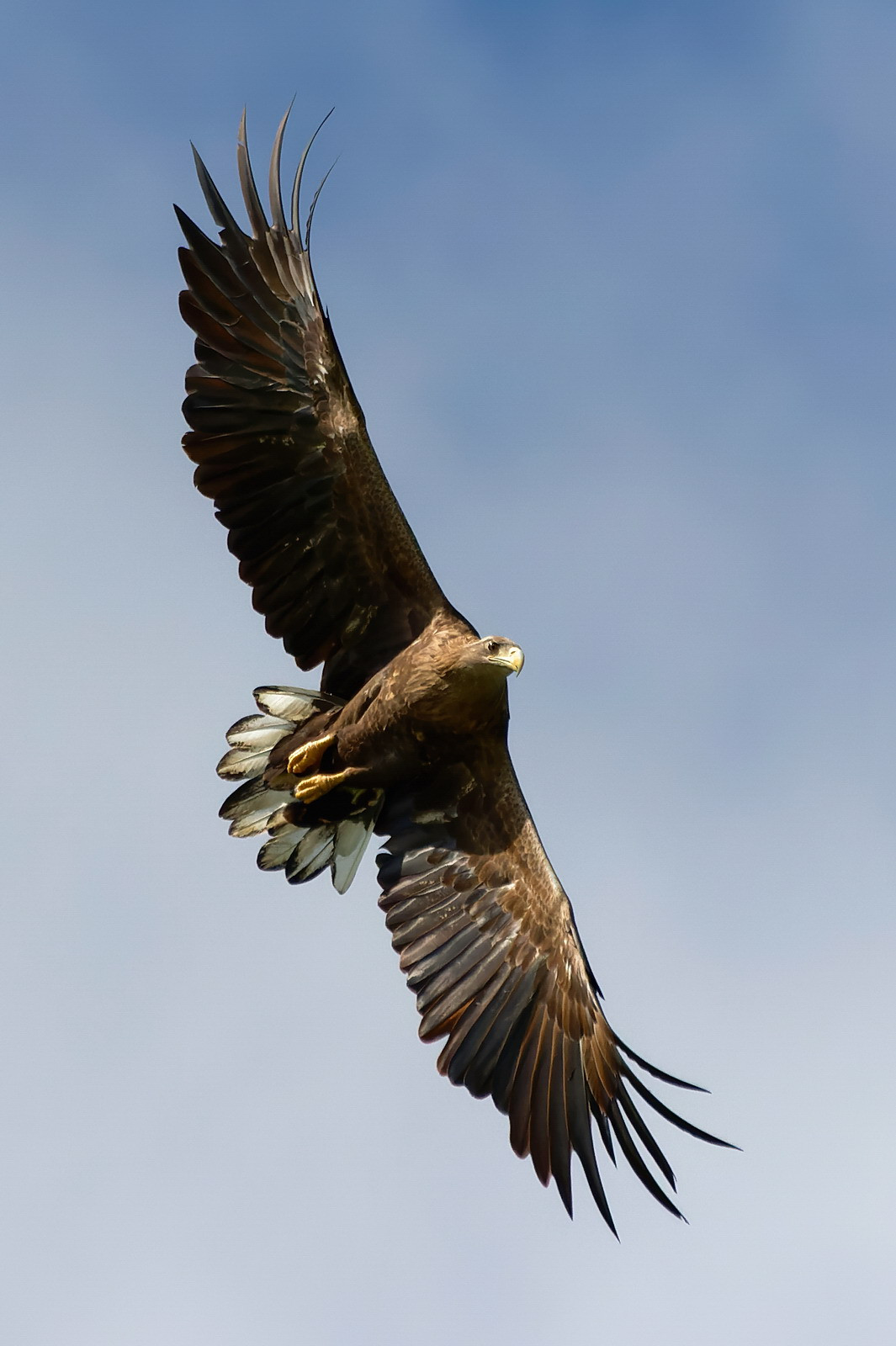
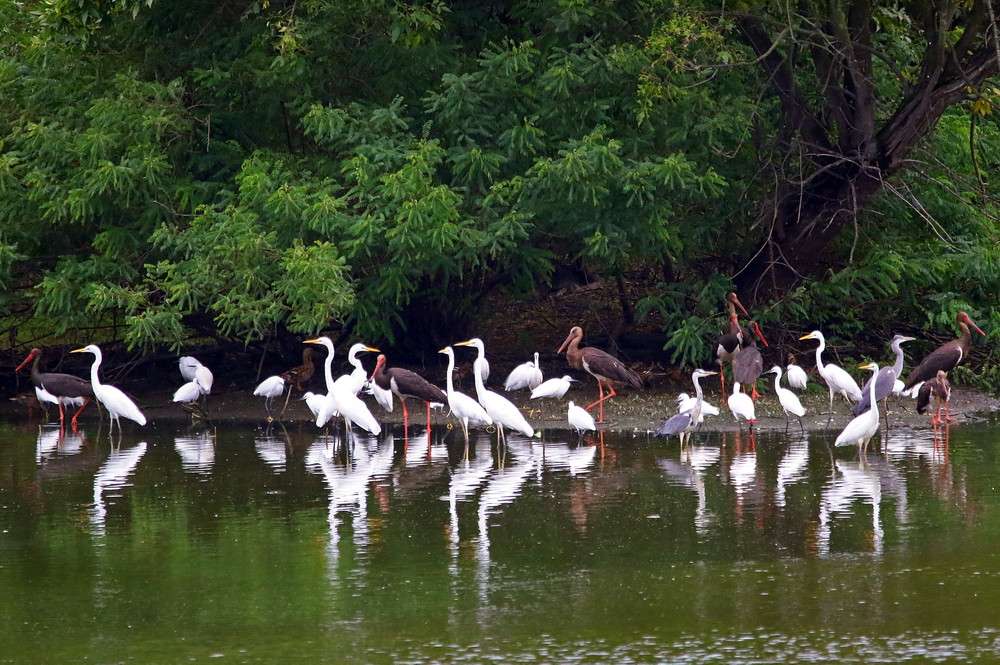
Located between the River Danube and the levee, Beljarica (Beh-LYAH-ritza) is a spacious flood retention basin of Belgrade, 2.1 km at its widest point and some 9 km2 of seasonally inundated riparian forests of willow and poplar, with stands of oak and ash, yet largely under industrial black poplar plantations, river arms and ponds. 60 mammal (Eurasian Beaver, Eurasian Otter, Wild Boar, Roe Deer, Wildcat, Pine Marten, Golden Jackal) and 200 bird species (over 170 strictly protected) were recorded here. Among them are breeding svart storks and no less than 3 pairs of havsörns.
Spring waterbirds at Beljarica include passing årtas (March), styltlöpare, grönbena, brushane, kärrsnäppa, and arriving vitögd dykand, natthäger, rallhäger and the skäggtärna. The first ever knipas fledged in Serbia were recorded here in 2024, and again in 2025. kungsfiskare, Härfågel and the biätare come from their nesting holes at the high loess-bluff of the opposite, right bank of the river. spillkråka is characteristic of the area. Also, breeding törnskata, pungmes, härmsångare, eksångare, together with uncommon kärrsångare, certainly deserve a mention.
Summer migration brings waders, such as grönbena, styltlöpare, mindre strandpipare, kärrsnäppa, småsnäppa, rödbena, sometimes svartsnäppa, större strandpipare, myrsnäppa, mosnäppa. With some luck, in July it becomes possible to spot over a dozen young Brown Hares, and a few Golden Jackals, too. In August, flocks of up to 80 svart storks are showing up. grå flugsnappare, halsbandsflugsnappare, ärtsångare, grönsångare and lövsångare are the most visible during their mid-August to early October migration.
In October, birds like blå kärrhök, Varfågel, kungsfågel, gärdsmyg, ängspiplärka, vattenpiplärka, bergfink, Sävsparv, start appearing. In winter months, there would be numerous ägretthägers, ducks and both cormorants, together with half a dozen to a dozen havsörns.
PROTECTION STATUS: Beljarica is a part of the international ecological corridor along the Danube River, the “Confluence of the Sava and the Danube Rivers” Important Bird Area (IBA) and, from August 2022, part of the new, backwaters nature reserve "Foreland of the Left Bank of the Danube near Belgrade", also known as the Belgrade Amazonia.
Drone photo by VICE.
Detaljer
Tillgänglighet
The earlier in the morning, the better. You will have the sun behind you and the birds will be more active. Avoid afternoons because the sun is in your eyes and the birds are in the backlight.
The easiest access is by car from the Zrenjanin Road, through Kovilovo suburb, which is also reachable by public bus No. 106, yet the bus stop (1) is 4.5 km from the levee. Zoom in on the map and click on the "P" (parking) sign for driving directions.
If you reach Beljarica by car, keep in mind that driving along the levee is prohibited and the barrier is often closed and locked (even when it is open, you could damage your vehicle as there are cavernous pot-holes). Park at the beginning of the route, but at the side – be sure not to block heavy lorries full of poplar trunks.
The other option is from the Belgrade suburb of Zemun, on foot across the Pupin’s Bridge and then downstairs onto the dyke. Continue north.
Be boar aware and please follow the levee birding route (about 6 km). It is definitely not recommended to enter the basin itself, as wild sows with piglets can behave aggressively, and it is flooded in huge areas anyways.
The mosquitoes potentially could be a problem; be prepared.
Terräng och habitat
Skog , Våtmark , Sjö , Gyttjig strandFörhållanden
Platt , Ingen skuggaRundtur
NejTubkikare behövs?
Kan vara användbartBästa säsong för skådning
Året runtBästa tid för ett besök
Vår , Vårsträck , HöststräckRutt
GrusvägHur ansträngande vandring
Lätt vandringNås
Cykel , Till fotsFågeltorn / plattform
NejExtra information
“Foreland of the Left Bank of the Danube near Belgrade, in addition to Gornje Podunavlje Reserve and Koviljsko-petrovaradinski rit Reserve, is one of the largest flood zones in the entire Serbia, which clearly outlines the importance of this area regarding the protection of its natural phenomena and natural values.” (Institute for Nature Conservation of Serbia)
The initiative to protect this area was launched in 2010 by the local NGO League for Ornithological Action (LOA). Belgrade City Environmental Secretariat accepted the initiative and the Institute for the Protection of Nature of Serbia produced the study and the official proposal for the protection of 18.6 sq km / 7.2 sq mi of the Danube Backwaters in 2014.
In August 2016, the newly planned Chinese Belt and Road harbour development inside the most valuable 9 sq km / 3.5 sq mi of the proposed reserve (Beljarica itself) was confirmed. Worried for the future of the backwaters, LOA launched the Save the “Belgrade Amazon” campaign, with a video clip, an online petition, lectures, public protests, media appearances, an award winning 40 minutes documentary (by VICE), etc. In March 2020, the Ministry of Construction and Traffic stated: “No, we gave up on the Beljarica locality, the harbour will be built somewhere farther upstream.”
And, 12 years later, in August 2022 Beljarica and the wider Danube Backwaters finally became officially protected: based on Article 42, Paragraph 8 of the Law on Nature Protection ("Official Gazette of the RS", No. 36/09, 88/10, 91/10-amendment, 14/16, 95/18-other law and 71/21) The Ministry of Environmental Protection informed the public about the procedure for initiating the protection of the natural area of the I (first) category, as an Area of Exceptional Characteristics "Foreland of the Left Bank of the Danube near Belgrade" [which includes Beljarica].
Still, Beljarica and the wider Danube Backwaters are potentially threatened by the state officials’ construction plans for the "Serbian - Chinese Industrial Park Mihajlo Pupin" right across the levee (E and SE of Beljarica).
Länkar
- eBird checklist
- Beljarica Backwaters: Some good news announced
- Beljarica Backwaters are finally protected!!
- UPDATE: the latest THREATS


 ) Lägg till fågelnamen på ditt egna språk, namnen kommer automatiskt översättas till andra användare.