Beskrivning
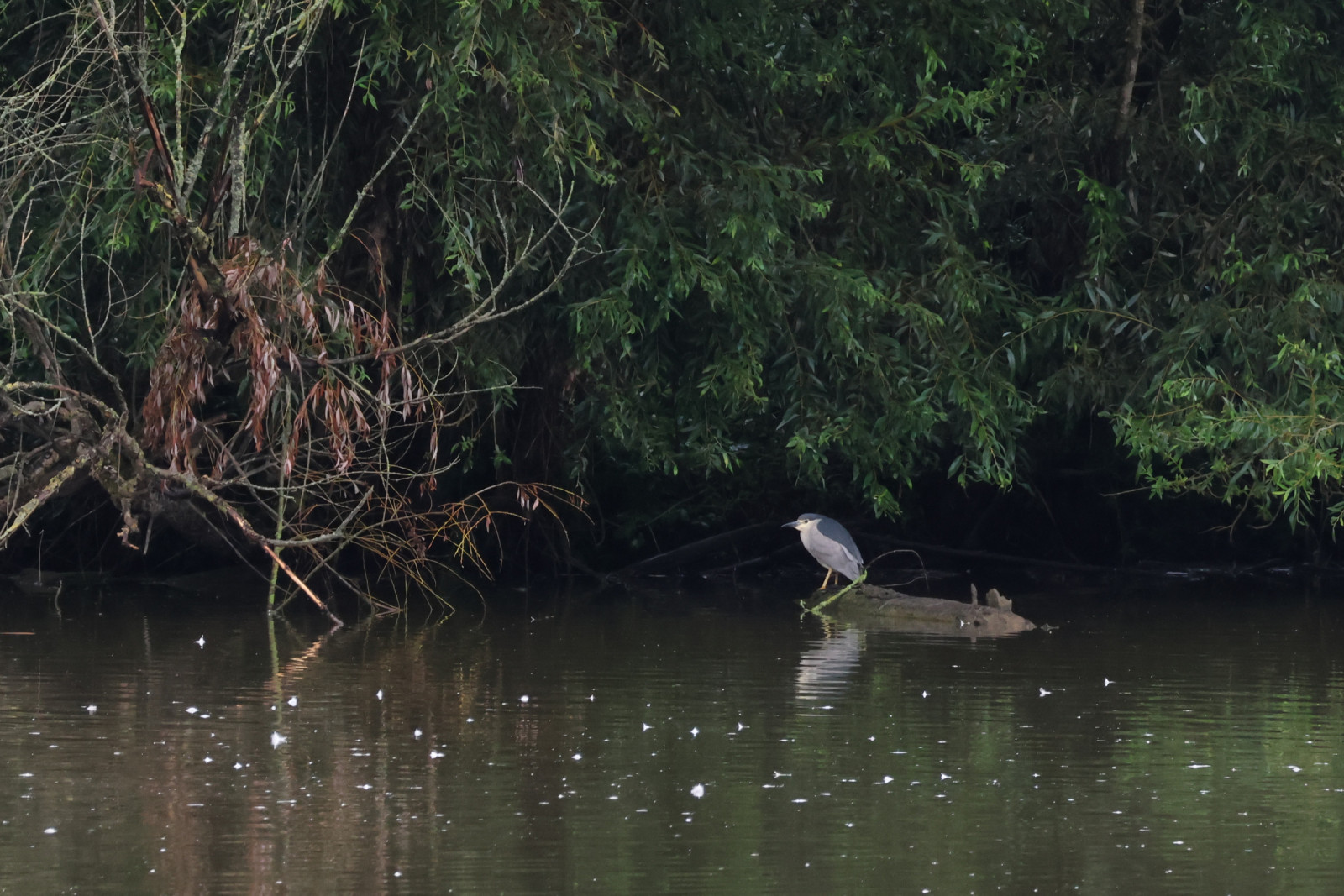
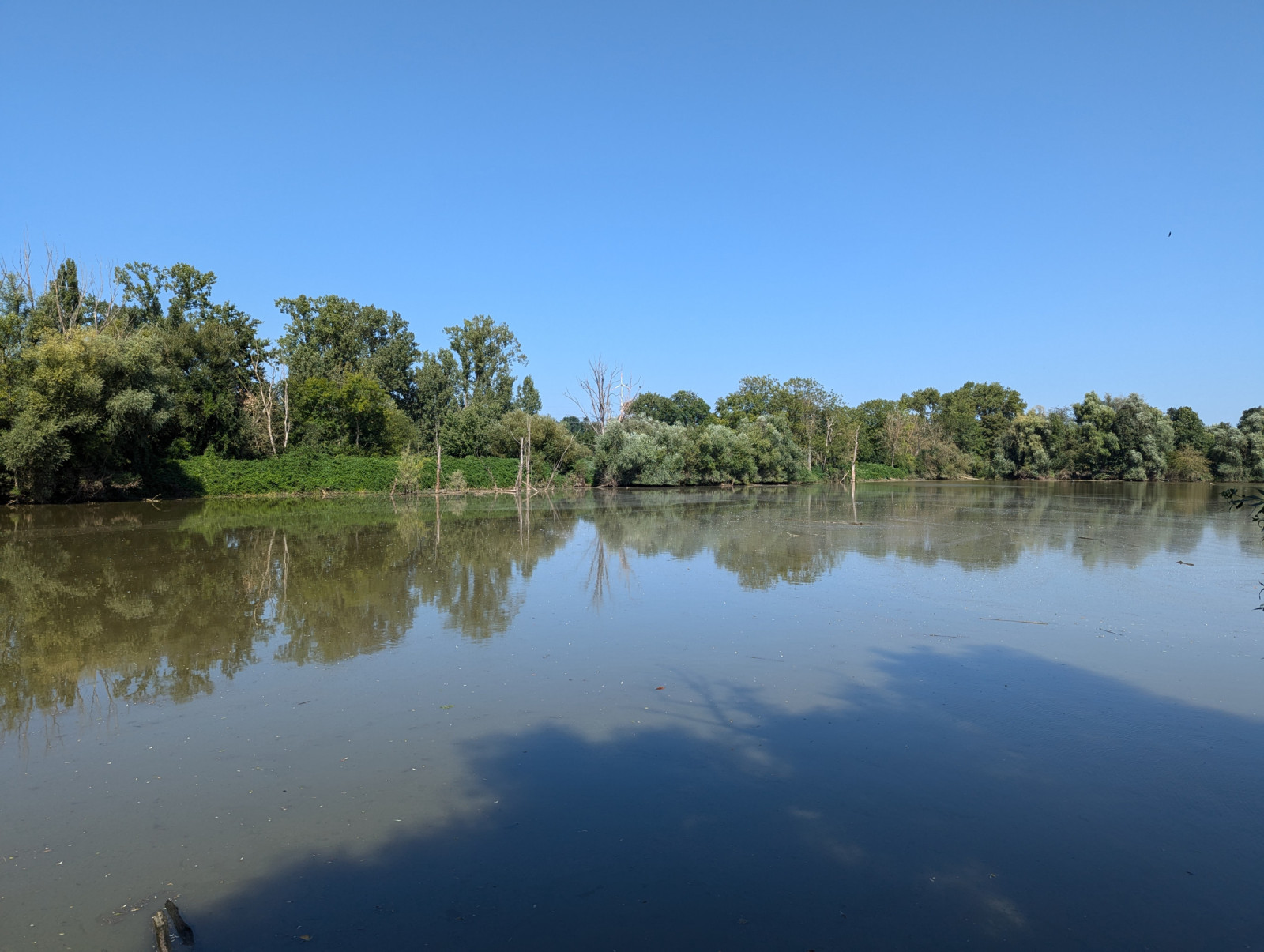
The Pleidelsheimer Wiesental is a former quarry pond and a protected area in direct proximity to the 'Old Neckar'. An observation platform offers a good overview over most of the pond. Storskarv, gråhäger, kungsfiskare and Smådopping are almost guaranteed sights throughout the year, while ägretthäger, drillsnäppa and mellanspett are a bit more uncommon. In summer it is one of the best places in the region to observe natthäger.
sommargylling, Brun glada, vit stork and gulärla are also summer guests at this site. During autumn migration Fiskgjuse can be observed with a bit of luck. Late autumn and winter offer the chance to observe many different species of ducks, like Kricka, vigg, snatterand or even bläsand. Surprising observations, like Silkeshäger are also possible if you are lucky.
Detaljer
Tillgänglighet
The Pleidelsheimer Wiesental is located to the west of the town of Pleidelsheim. The place is best accessed by car. Parking is possible in 10 to 15 min walking distance at the lock to the north-east of the area or directly in Pleidelsheim. Press P on the map for directions to the parking. Access by public transport is difficult and not recommended.
The rather small area can be explored by foot in less than one hour. The path to the observation platform is quite muddy and might be difficult to access after heavy rainfall. To the north of the site is an airfield for glider planes. In rare cases, mainly Sundays or on bank holidays, the access to the area might be temporarily blocked due to airplane traffic.
Terräng och habitat
Damm , Jordbruk , VassarFörhållanden
PlattRundtur
NejTubkikare behövs?
Kan vara användbartBästa säsong för skådning
Året runtRutt
GrusvägHur ansträngande vandring
Lätt vandringNås
Till fotsFågeltorn / plattform
JaExtra information
Birds are often a bit further away in this area from the observation platform, so a telescope or a camera with a long focal length lens can be useful to have.
The agricultural fields to the south of the Wiesental are worth checking out as well and can host flocks of hämpling or ängspiplärka.


 ) Lägg till fågelnamen på ditt egna språk, namnen kommer automatiskt översättas till andra användare.