
Beskrivning
Part of the Huvenhoopsmoor raised bog has been completely spared from drainage and peat extraction to this day. As early as the 1960s, the intact remains were separated from the surrounding areas by a watertight sheet pile wall to prevent them from drying out in the course of drainage in the surrounding area. The 1.5 square kilometre intact remainder is largely open terrain with very few trees. The raised bog area may not be entered, but is clearly visible from an observation stand at the end of a trail.
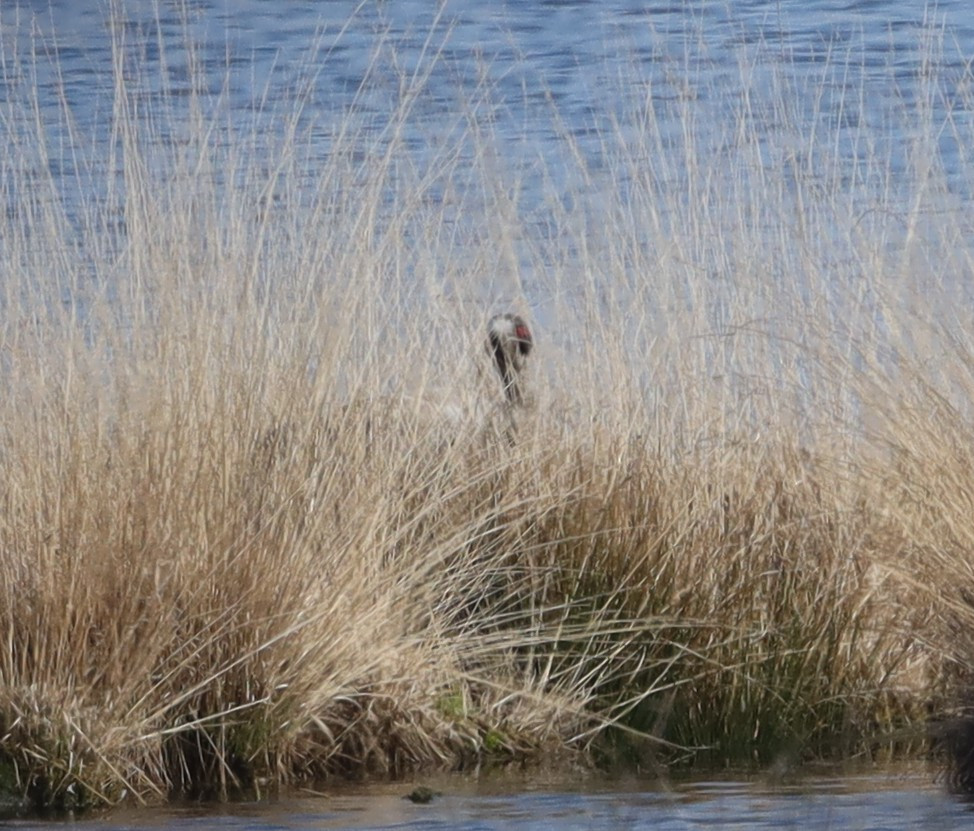
Trana is breeding in the Huvenhoopsmoor. In addition, you can find lärkfalk, törnskata, gök, tofsvipa, enkelbeckasin, Smådopping, brun kärrhök, röd glada, svarthakad buskskvätta, gulsparv, Sävsparv, geese and many species of ducks. There are also over 20 species of dragonflies.
During Trana migration in spring and autumn many Trana rest for a few days in the Huvenhoopsmoor. During this time, the bog is populated by several thousand Trana that feed on harvested fields in the area.
Detaljer
Tillgänglighet
The Huvenhoopsmoor is located 8 km east of the town of Gnarrenburg. The easiest way to reach Huvenhoopsmoor is to follow signs to 'Naturschutzgebiet Huvenhoopsmoor' from Gnarrenburg. Parking is available near the trail (1) to the outlook platform. Press P on the map for directions to the parking. A bit further north is another parking near the educational trail Moorerlebnispfad (2) and the lake Huvenhoopssee (3). Public transport: the closest train station is in Gnarrenburg.


 ) Lägg till fågelnamen på ditt egna språk, namnen kommer automatiskt översättas till andra användare.