

Beskrivning
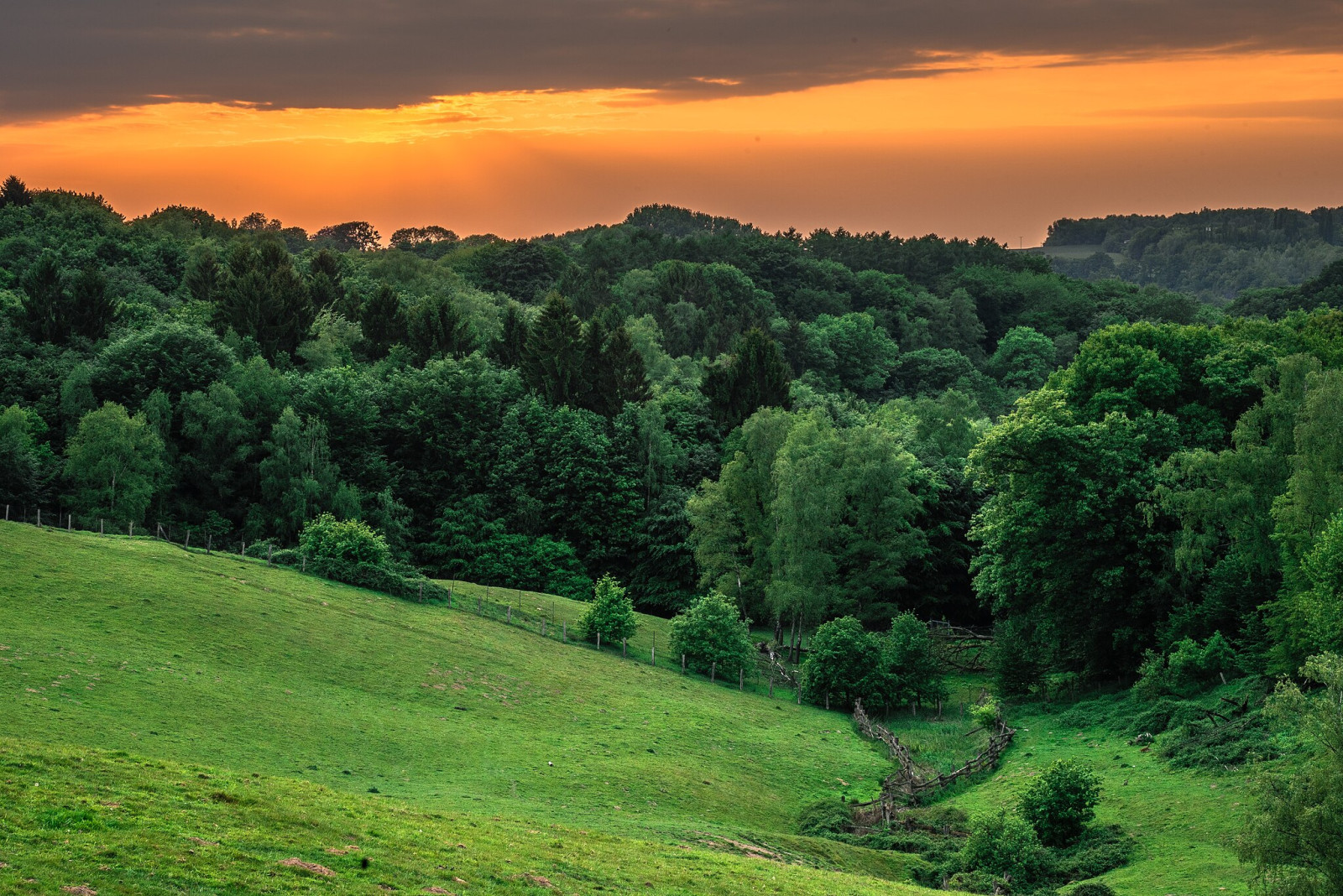
A walk around the wildlife reserve Eiszeitliches Wildgehege through the Neandertal valley along the Düssel river and back along the meadows is quite nice on it's own and offers opportunities to see a variety of birds. About 125 bird species have been recorded in the area, with about 75 of them beeing quite regular at some time of the year. An average visit in the summer half year can usually result in about 30 species. A walk around the wildlife reserve can be combined with a visit to the Neanderthal Museum.
In the beech forest mellanspett and in some years spillkråka are resident. forsärla and kungsfiskare are both common along the Düssel river, with the latter beeing more often heard than seen. strömstare also used to be common along the river, but in recent years they are only regular at the main road bridge right in front of the museum.
In the hedges along the meadows gulsparv and törnsångare are breeding. stare, sädesärla, dubbeltrast, Gröngöling, tornfalk and ormvråk search the meadows for food. röd glada can often be seen over the valley during the summer half year.
The fences, trees and bushes around the game reserve and on the nearby Parkfriedhof are popular resting spots for migrating passerines such as: rödstjärt, grå flugsnappare, svartvit flugsnappare and trädpiplärka and more rarely: buskskvätta, svarthakad buskskvätta and stenskvätta. In the meadows during migration sometimes ängspiplärka and gulärla search for food.
The meadows at the edge of the valley can also be good viewing points for autumn migration. On good migration days hundreds of björktrast, rödvingetrast, sånglärka, ängspiplärka, bofink, bergfink and stare can be seen migrating through. In lesser number birds like trädlärka and sparvhök can be observed and there is always the chance for someting special.
In winter alder trees in the valley can lure in big groups of grönsiska. Around March huge amounts of ivy in the neandertal valley often supports several hundred of rödvingetrast for a couple weeks.
Close to the game reserve on Diepensiepen 6 in the Neandertal valley lies a pond with a tiny little island. On it stands a single weeping willow with about 10 pairs of gråhäger nesting on it. It's a very picturesque view, popular with photographers.
Detaljer
Tillgänglighet
Eiszeitliches Wildgehege Neandertal is located just outside Düsseldorf, close to the highways A46 and A3. Parking is possible either at the Neanderthal Museum or at the Parkfriedhof in Hochdahl. Press a P on the map for directions. You can access the area with train from Düsseldorf HBF. Take the S8 towards Hagen/Wuppertal until Hochdahl Millrath (marked 1 on the map) or the S28 toward Mettmann/Wuppertal until Neandertal Museum, with a little walk you end at the starting parking spots for the cars.
Acces to the area is best by food. The walk around the reserve features several inclines with steep wooden steps. You should take about 3 hours for a walk around the area. If you want to watch autumn migration, take as much time as you can. A spotting scope is usefull, if you want to search all fencepoles for passerines.
The Cafe Op dem Kamp along the way, gives a good opportunity for a break with coffee and homemade cake.
Terräng och habitat
Skog , Jordbruk , Park , SlättFörhållanden
KulligtRundtur
JaTubkikare behövs?
Kan vara användbartBästa säsong för skådning
Året runtBästa tid för ett besök
Höststräck , VårRutt
Smal stigHur ansträngande vandring
Genomsnittlig vandringNås
Till fots , CykelFågeltorn / plattform
NejExtra information
The Eiszeitliches Wildgehege Neandertal is a wildlife park where animals from the Ice Age are kept in large, natural enclosures. You can find European bison (wisent), Heck cattle, and Heck horses. The wildlife park is free to enter. You can visit at any time, as the wildlife park is always accessible.


 ) Lägg till fågelnamen på ditt egna språk, namnen kommer automatiskt översättas till andra användare.