
.jpg)
Beskrivning
Fornæs is a migration hub covering both east, north and west. And there is a good chance of seeing tobisgrissla since they breed close by. As well as tordmule in huge numbers migrating (100.000 estimated on one good day) and a few staying through the winter. In spring and fall huge flocks of birds of prey arrive on route to Sweden or exploring the north. Rare birds are seen regularly, though not every day.
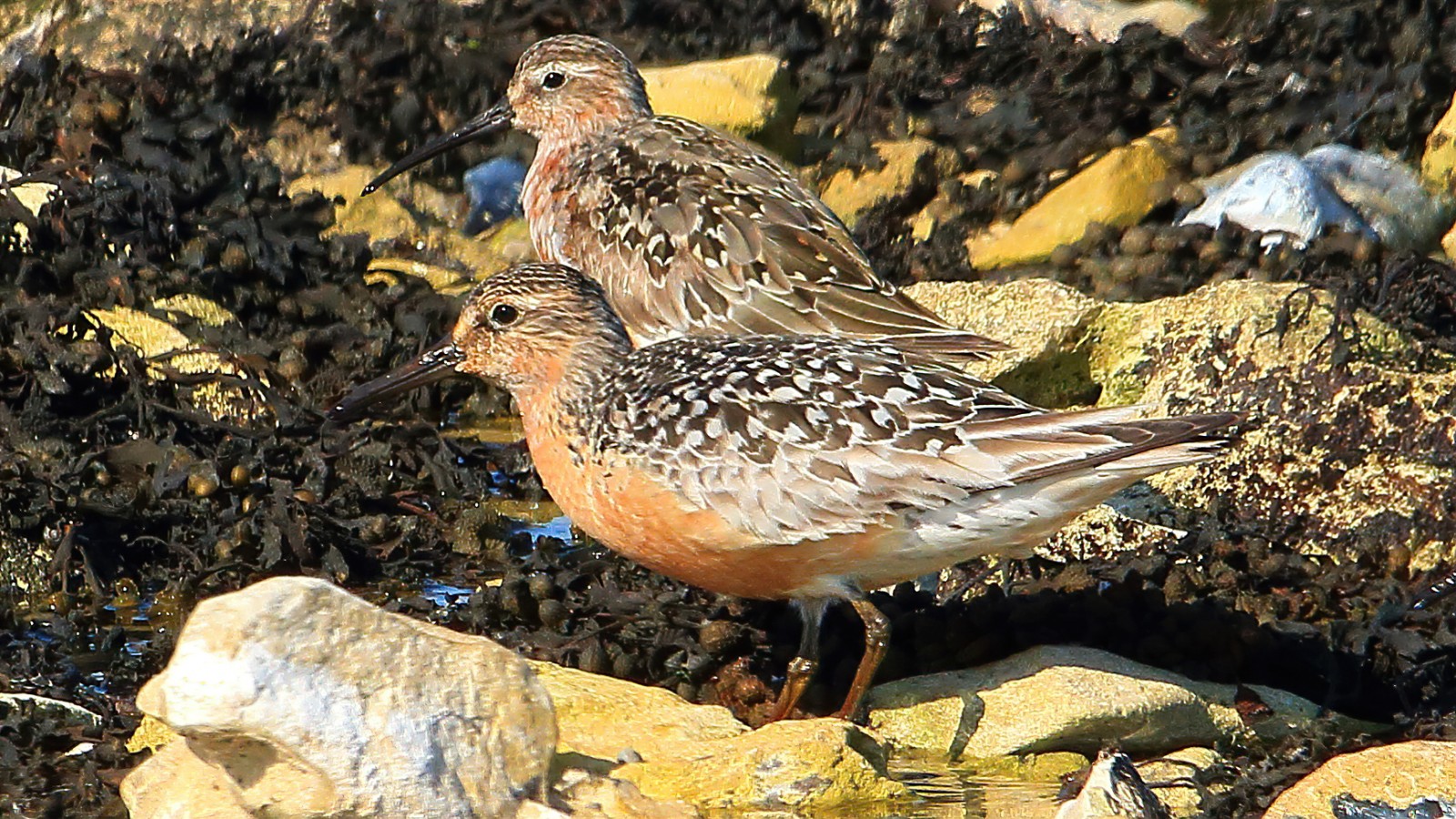
Waders live at the coast, as well as terns, ducks and geese. Various small birds such as stenskvätta come here outside their breeding season and usually stay a while before migrating further. havssula hunt outside the coast, though usually far out. svärta and sjöorre live here permanently.
Detaljer
Tillgänglighet
You can park at the lighthouse then walk north.
Terräng och habitat
Slätt , Hav / ocean , Spridda träd och buskarFörhållanden
Platt , Öppet landskapRundtur
JaTubkikare behövs?
JaBästa säsong för skådning
Året runtBästa tid för ett besök
Vårsträck , HöststräckRutt
Asfalterad väg , Bred stig , GrusvägHur ansträngande vandring
Lätt vandringNås
Till fots , Cykel , Bil , RullstolFågeltorn / plattform
NejExtra information
If you dont mind a 6-7 km (both ways total) long walk you can follow along the coast in northern direction and you end up at Sangstrup Klint, where million year old fossils can be found, and you are sure to see a lot of birds on the way.
Länkar
- Official but limited Tourist information
- Article about birding spots in the general area - In Danish need google translate.
- Information in English about the north-east coast of Djursland - Which Fornæs is part of


 ) Lägg till fågelnamen på ditt egna språk, namnen kommer automatiskt översättas till andra användare.