Description
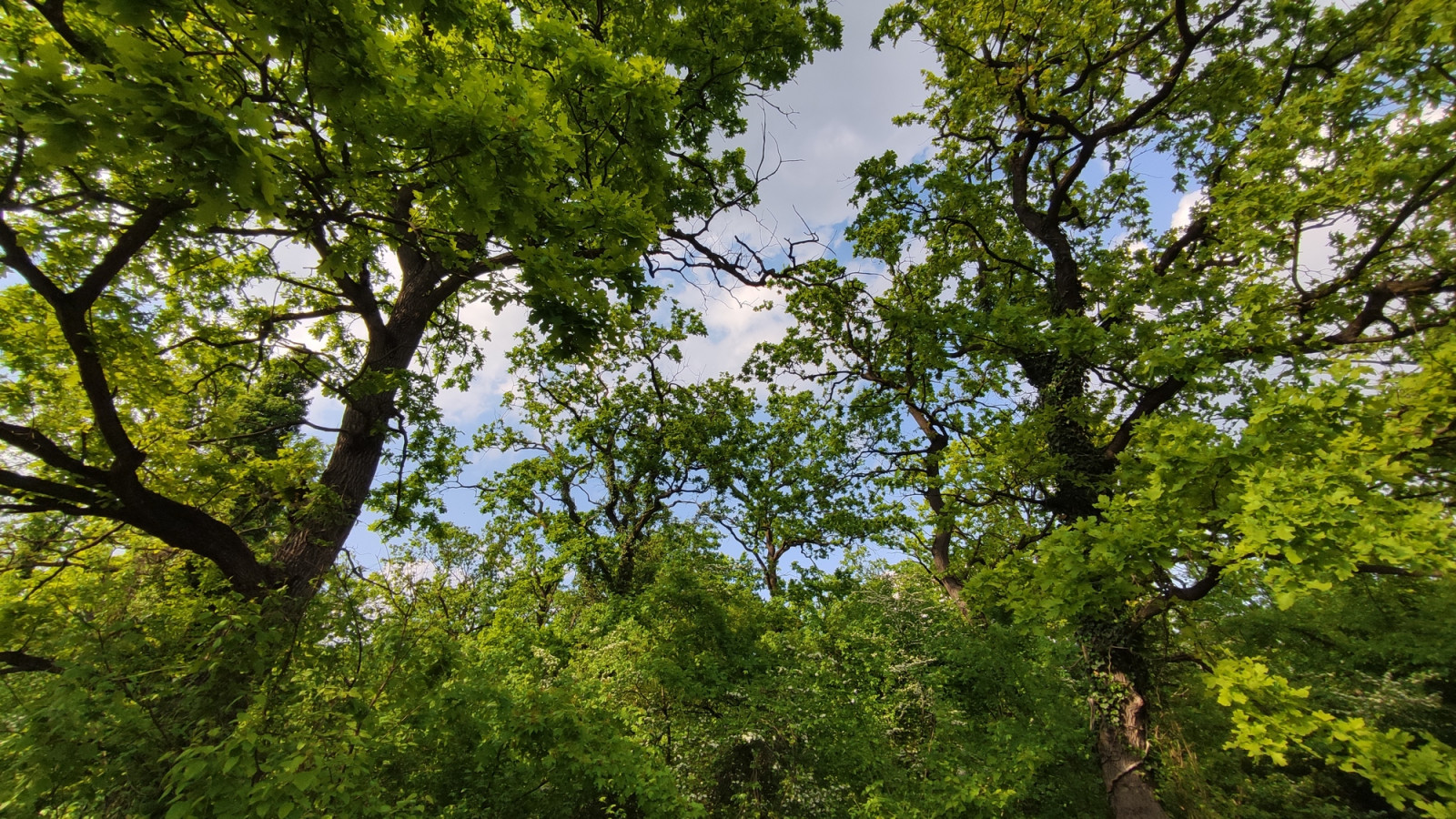
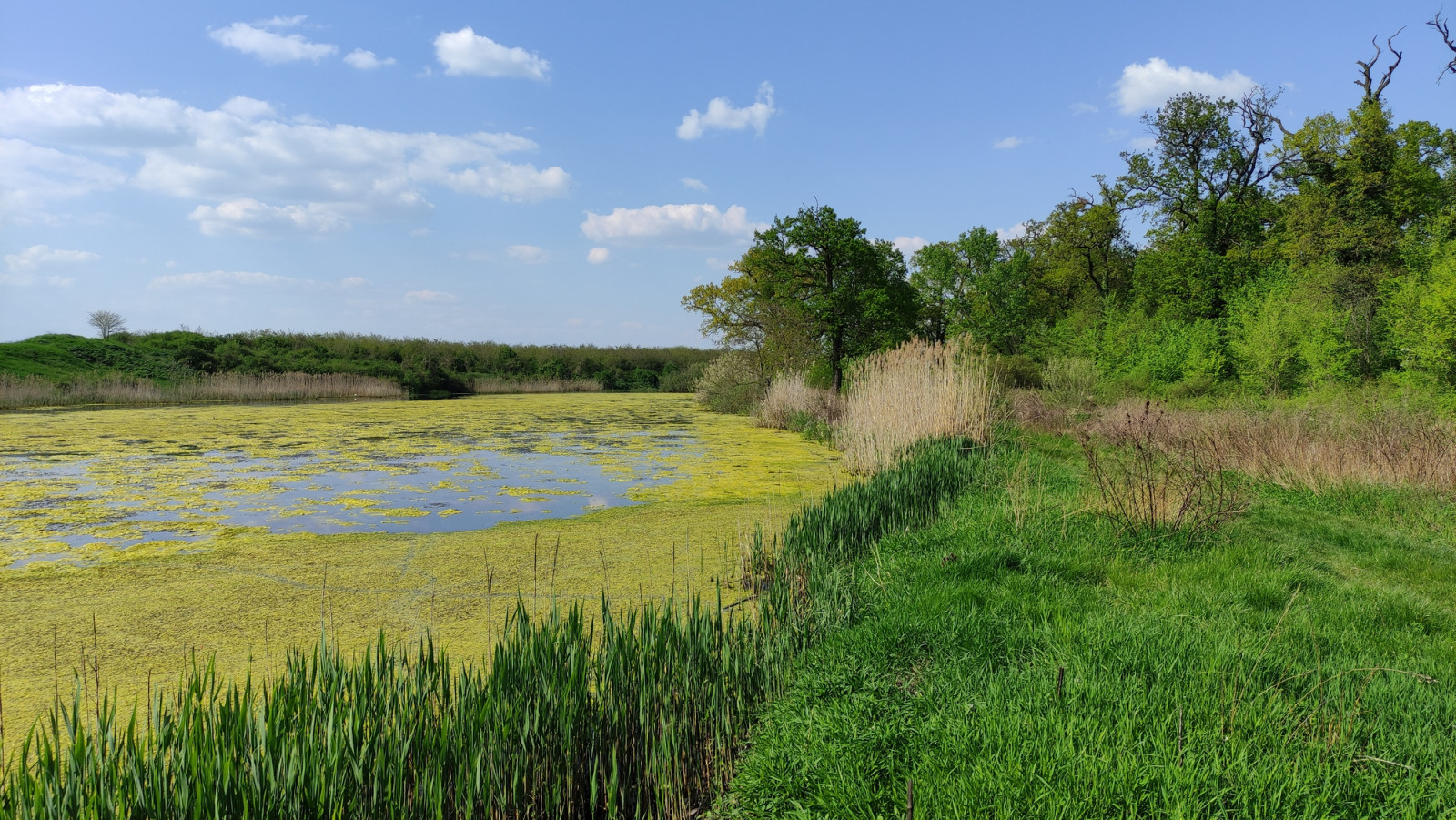
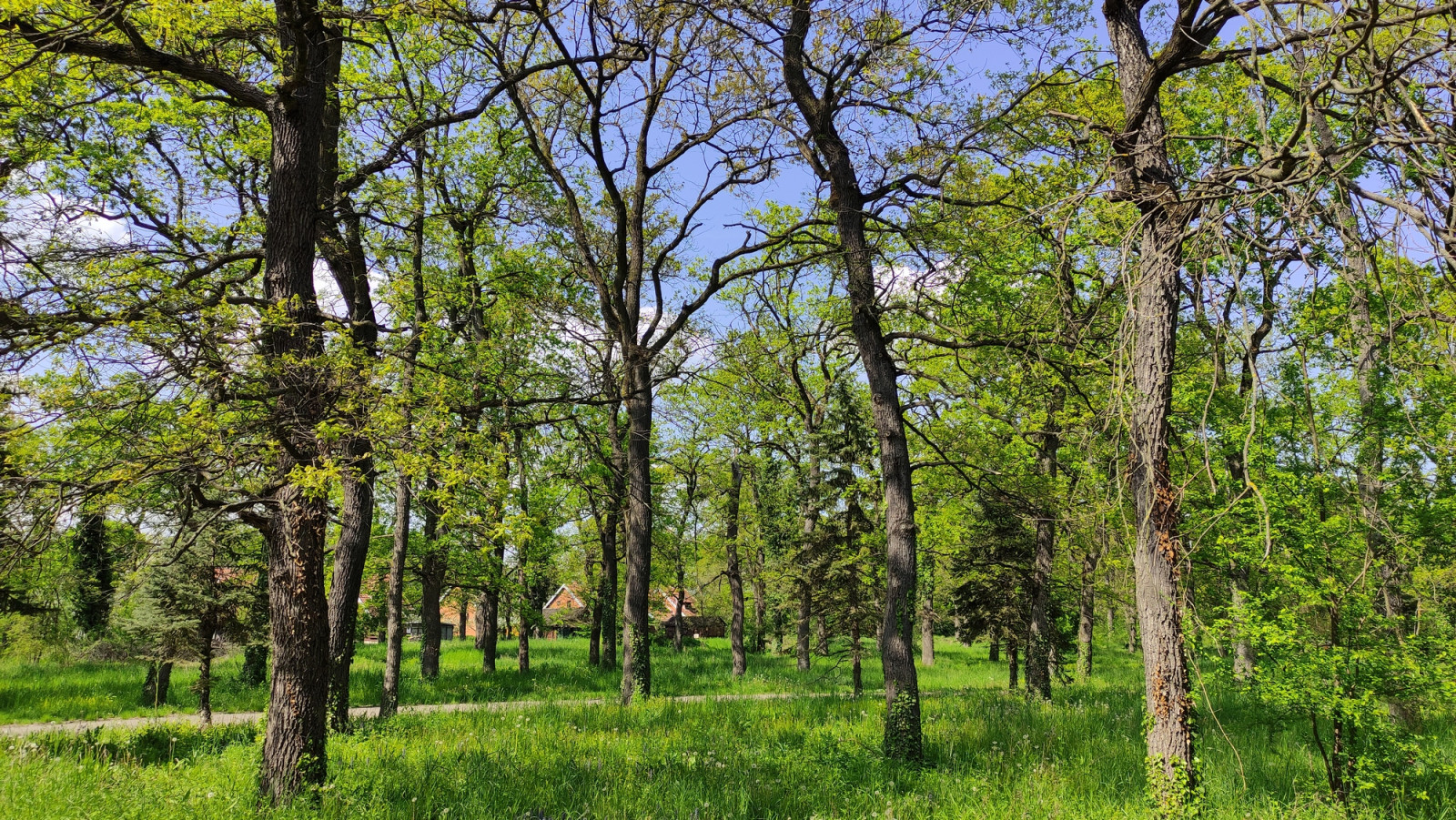
Jakovački ključ English oak forest is one of the few still-standing floodplain areas with more than two centuries old oak forests. The forest, also known as SRC Surčin, has 160 hectares and almost 140 so far recorded bird species. Along the northern edge lies a canal, formerly a part of the River Galovica, adding Grogotovac, Belobrka čigra, Mali vranac, Čapljica and Gak to the scene but, in warm days, also a line of numerous anglers.
I particularly like Jakovački ključ in winter, when bare branches allow you to actually see all those forest birds: Severna zeba, Zimovka, Jelova senica, Kraljić, Vatroglavi kraljić, Drozd imelaš, Mali drozd, Batokljun, Čižak, etc. Woodpeckers include Srednji detlić, Mali detlić, Zelena žuna and Crna žuna.
Later in spring, my preferred season becomes April (migration peak / early breeding season for resident species), because the oak leaves are not fully formed, making birds a bit more visible than later: Šumski zviždak, Drozd pevač, Mali slavuj, Crnovrata muharica, Obična crvenrepka, Crna crvenrepka, Batokljun, Žutarica. The canal is adorned with Senica vuga and Veliki trstenjak and the surrounding fields with Pupavac. Also, there is about 50 pairs-strong colony of Siva čaplja with several pairs of Gak near the tarmac-covered football field in the SW (1).
Details
Access
Zoom in on the map and click on the "P" (parking) sign for driving directions. Jakovački ključ forest may also be reached by public bus 602, which departs from New Belgrade, Block 44. The trail marked on the map is about 6 km long. Insect repellant is a good idea in summer.
Terrain and Habitat
Forest , WetlandConditions
FlatCircular trail
YesIs a telescope useful?
NoGood birding season
All year roundBest time to visit
Winter , Spring , Spring migrationRoute
Paved road , Wide pathDifficulty walking trail
EasyAccessible by
Foot , Bicycle , WheelchairBirdwatching hide / platform
NoExtra info
Once this forest was a recreational centre (SRC Surčin) with volleyball and tennis courts, and bungalows for rent belonging to Yugoslav Army. Yet, after the 1990s army personnel refugees permanently settled the bungalows in the centre of the forest, turning it into a suburb of Surčin. Hence, nowadays there is a city connection by public transport system. Saddly, locals tend to use this forest as an unofficial rubbish tip.



 ) to insert bird names in your own language. The birdnames will automatically be translated for other users!