
Description
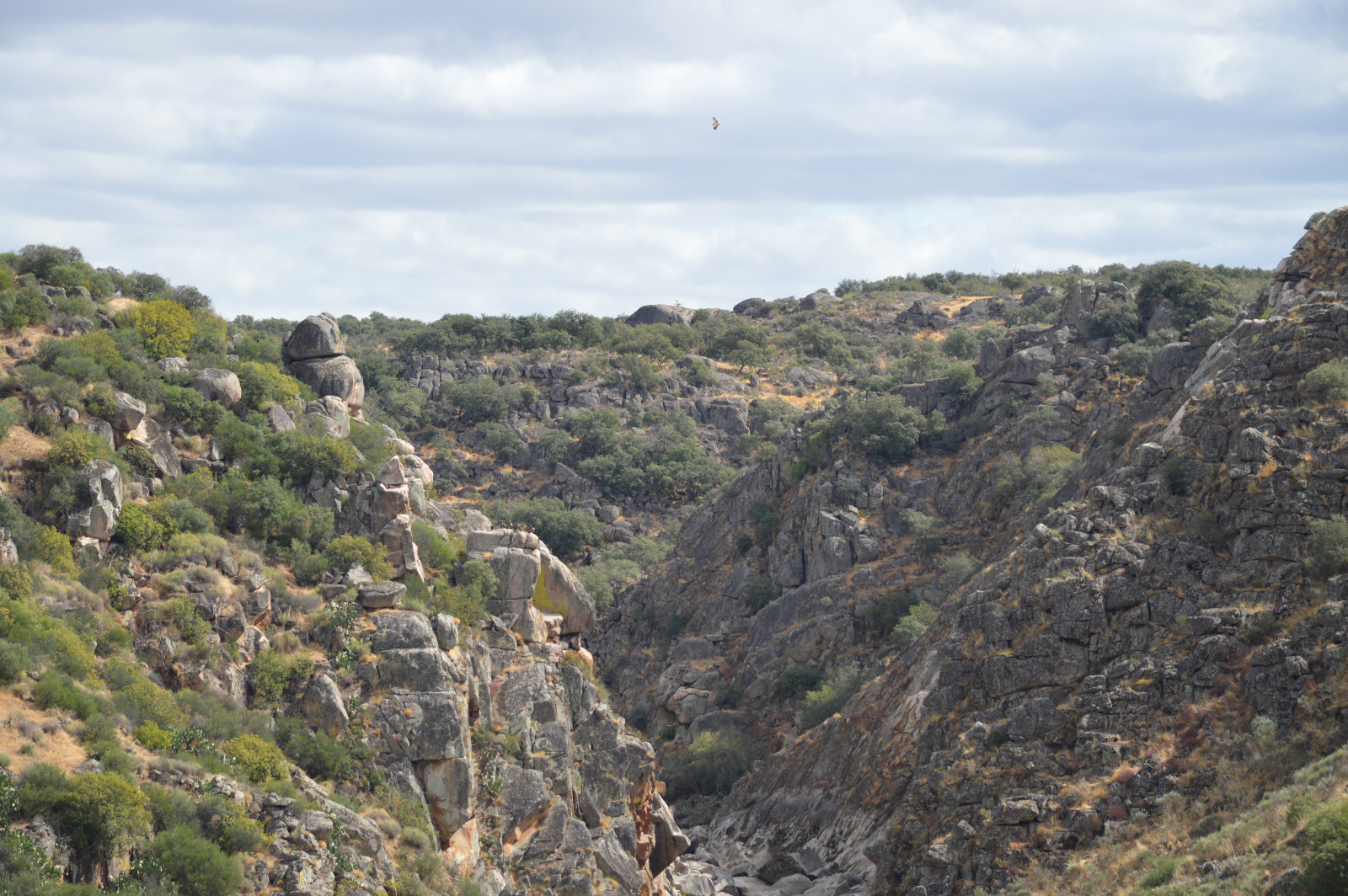
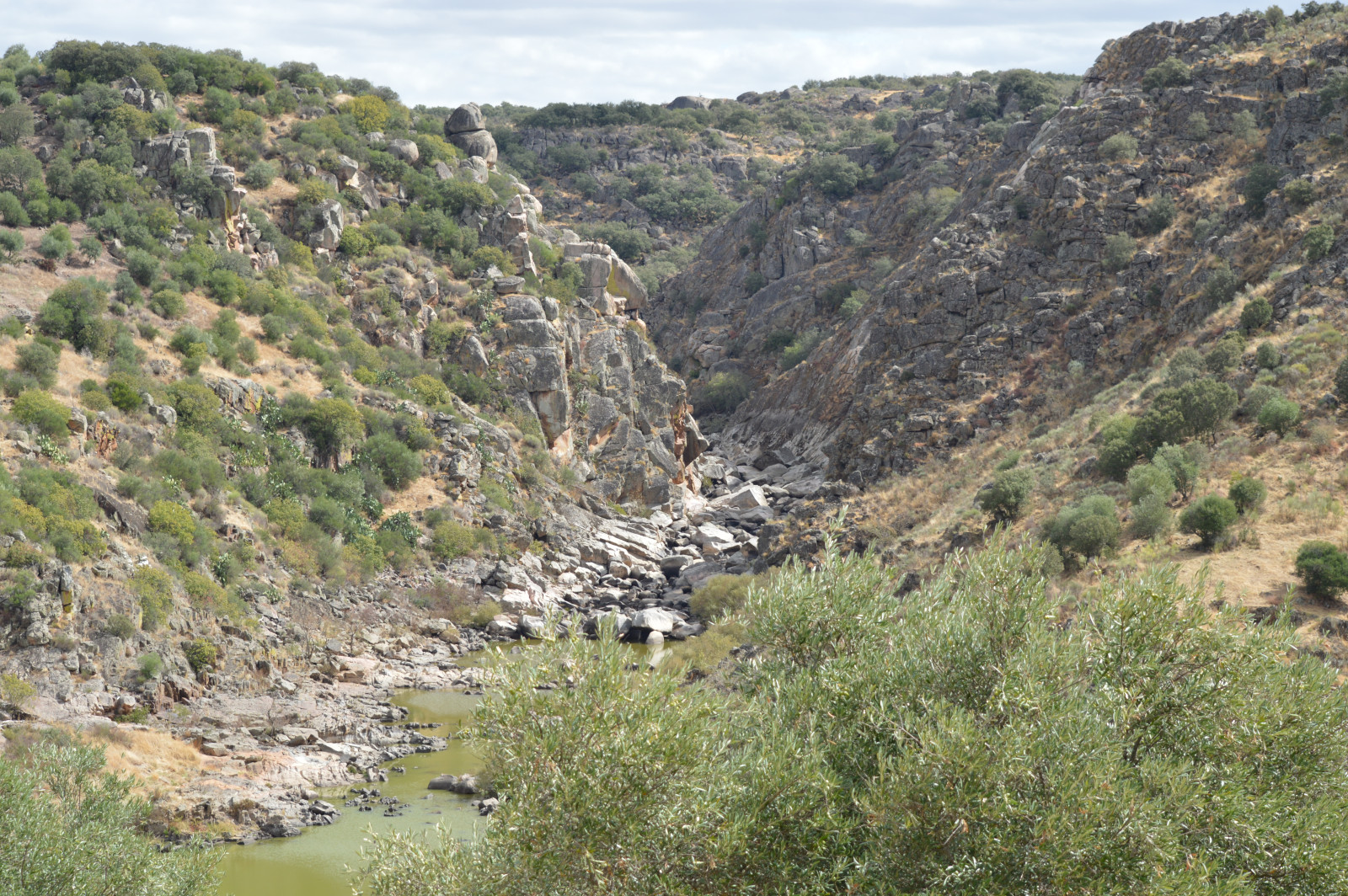
Canhão do Erges is one of the most inhospitable and remote places in Portugal. The Erges is still a wild river with great erosive capacity that led to the formation of three impressive gorges within a short distance. Exploring these canyons, where the river flows at a depth of 150 m, is a perfect opportunity to discover a great diversity of birds. The cliffs are an important nesting and resting place for Beloglavi sup, Bela kanja, Black Vulture, Crna roda, Prugasti orao, Modrokos and Buljina. Here, the skies are also crossed by birds of prey like Zmijar, Patuljasti orao, Suri orao, Riđa lunja, Crna lunja, Mišar and aerial birds such as Bela čiopa, Crna čiopa, Bregunica, Seoska lasta, Gradska lasta, Gorska lasta and Daurska lasta.
From the Roman bridge of Segura, that connects Portugal to Spain, you can observe Vodomar, Mali gnjurac, Polojka, Sprudnik pijukavac, Veliki vranac and Siva čaplja. This is also a great place to observe Kratkokrili voljić, Svilorepi cvrčić, Crnoglava grmuša, Sredozemna crnoglava grmuša, Velika grmuša and Dugorepa grmuša, which usually feed and shelter in the bushes by the river. In the surroundings lands of Segura it is possible to detect and watch birds like Prepelica, Španska kamenjarka, Golub dupljaš, Ćubasta kukavica, Obična kukavica, Vivak, Pupavac, Pčelarica, Vuga, Crvenoglavi svračak, Južni veliki svračak, Plava svraka, Svraka, Zapadna ćubasta ševa, Španski vrabac, Vrabac kamenjarac, Konopljarka, Velika strnadica, Strnadica kamenjarka and Crnogrla strnadica.
Details
Access
Start by driving to the Roman bridge of Segura, from where can you see the village, the Erges river bed and the surrounding landscape, occupied by many species of birds. After that, you can drive along the riverside until the “Centro Interpretativo da Biodiversidade”, which has a good view into the interior of the granite outcrop. Finally, you can drive to a sandy area, with some watermills, where the canyon starts. See the map below.


 ) to insert bird names in your own language. The birdnames will automatically be translated for other users!