
Description
The Altmühlsee is an artificial lake in Bavaria, created in the 1970s. It serves as a water reservoir and a destination for tourism. The Vogelinsel in the northeast and the extensively managed areas around it, particularly the Wiesmet, as well as the water bodies of the Seenland, attract numerous waterbirds that can also be observed on the lake.
In winter, when the water is not frozen, it becomes a popular area for Veliki ronac, Ćubasti gnjurac, a group of Kanadska guska, as well as Riđoglava patka, Ćubasta patka, and Zviždara. Among these, notable guests sometimes appear. In some years, Mali ronac visit, and Patka dupljašica are regularly observed. Srednji ronac, Crnogrli morski gnjurac, Riđogrli morski gnjurac, and even Veliki morski gnjurac have been recorded, although the chances of seeing those are better at Großer Brombachsee. Velika bela čaplja appear along the shore in winter, and among the numerous Morski galeb and fewer Sinji galeb, some Sivi galeb can be discerned.
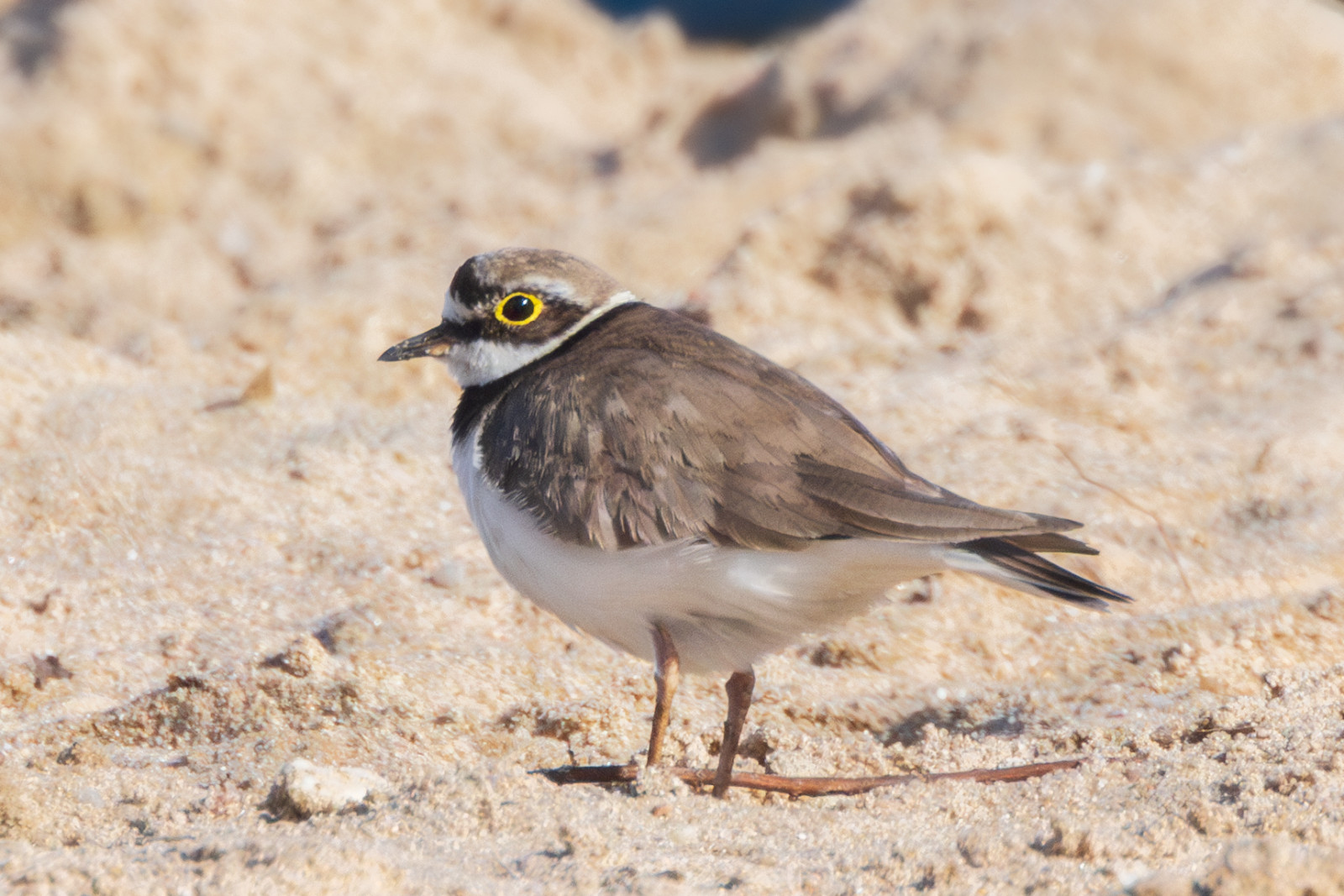
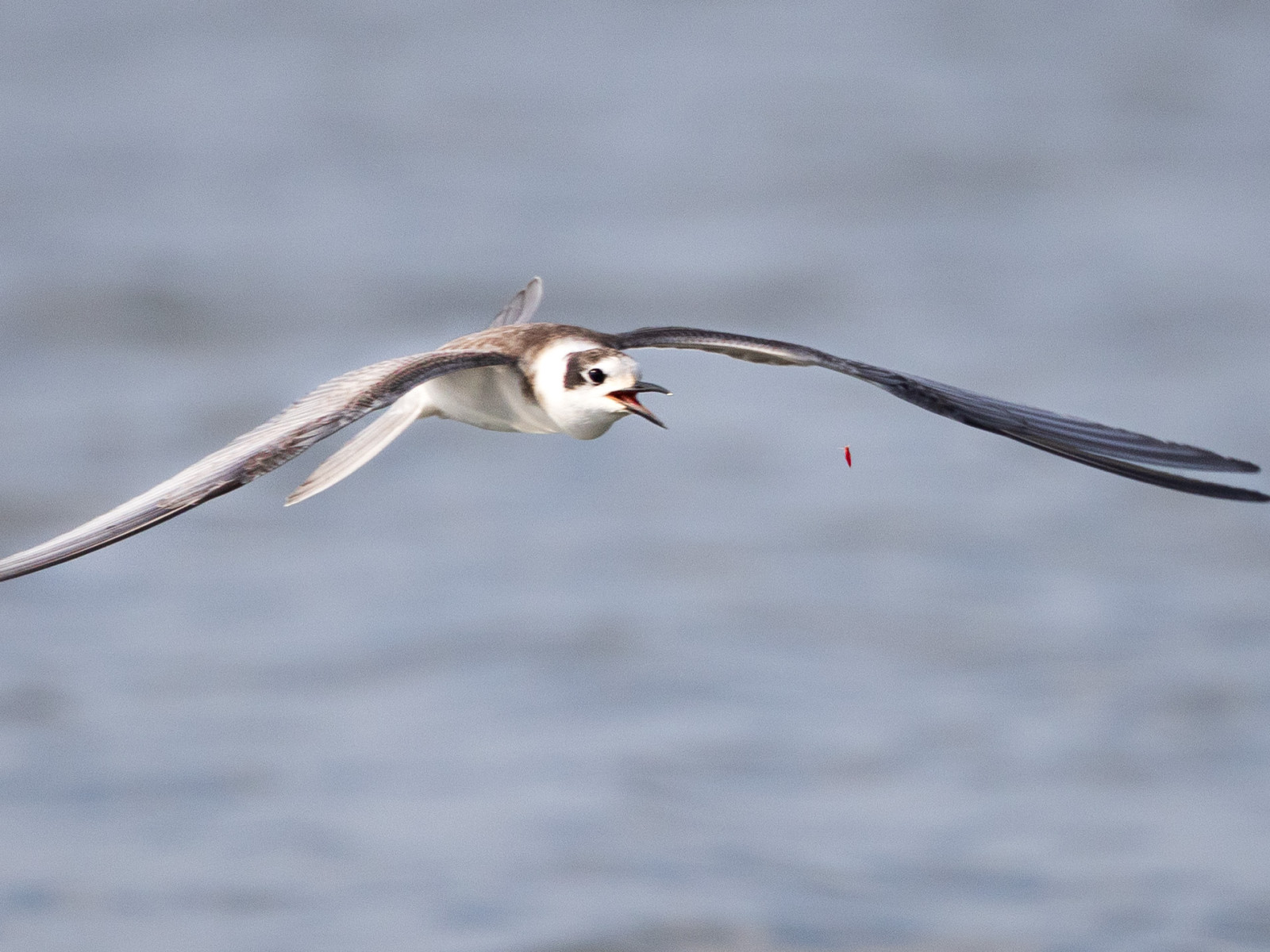
Spring and autumn migrations bring exciting visitors. The Gak, which breeds on the Vogelinsel, can sometimes be observed in the bushes that line the rivers around the lake. Mala bela čaplja sightings are possible, too. Crna čigra regularly hunt over the lake in April and May, and especially in late August and early September. Among these, the very similar, but rarer Belokrila čigra and Belobrka čigra are occasionally noted. Arktička čigra has been reported in some years. Mali galeb stay here in those months as well. From late August, few waders, including Crnotrba sprutka and rarely the Bela sprutka, are occasionally feeding on the sandy beaches. Here they can be observed from a shorter distance than on the Vogelinsel itself. Ušati gnjurac and Baršunasti turpan are scarce visitors mainly in late autumn, sometimes through to the winter months.
Rarities observed here include Troprsti galeb, Ledenjarka, Siva liskonoga, and Crvenovrata liskonoga. Kratkorepi pomornik has been recorded four times, most recently in 2016. The exceptional sighting of a Frenklinov galeb in spring 2023 proves that the lake may always hold surprises.
Details
Access
Individual observation points can be reached on foot from the parking areas of the respective lake centers (Seezentren): The northeastern shore (1) from Seezentrum Muhr, the southern shore and the outlet structure (2) from Seezentrum Schlungenhof or the parking area at Höhe. These spots offer the best chances for observing gulls and terns. The western shore can be accessed from Seezentrum Wald (3). Further north, the northern edge of the Vogelinsel is visible; year-round, Belorepan can be spotted in the trees, and Ribar during the warmer months. Much better than arriving by car is to cycle around the lake, possibly following an early morning visit to the Vogelinsel. The path around the lake is only accessible by bike and on foot, cars are prohibited. It is wheelchair-accessible.
Paddle boats can be rented at the lake centers (please respect the nature reserve boundary of the Vogelinsel!). Motorboats are prohibited on the lake.
Terrain and Habitat
Scattered trees and bushes , Lake , BeachConditions
FlatCircular trail
YesIs a telescope useful?
YesGood birding season
All year roundBest time to visit
Winter , Spring migration , Autumn migrationRoute
Wide path , Paved roadDifficulty walking trail
EasyAccessible by
Foot , Bicycle , WheelchairBirdwatching hide / platform
NoExtra info
The lake is used all year round for various sailing sports, which usually causes little disturbance to the birds. In summer it was a popular bathing area. However, due to phosphorus inputs from agriculture (40 tonnes per year) and climate change-induced warming of 4°C, cyanobacteria are increasingly spreading, making swimming impossible. It remains to be seen what impact this will have on bird life.
In winter, the lake surface may be frozen. Then it may be worth searching the surrounding fields for feeding Divlja guska, Lisasta guska, Velika carska šljuka, and even rarer visitors.


 ) to insert bird names in your own language. The birdnames will automatically be translated for other users!