Description
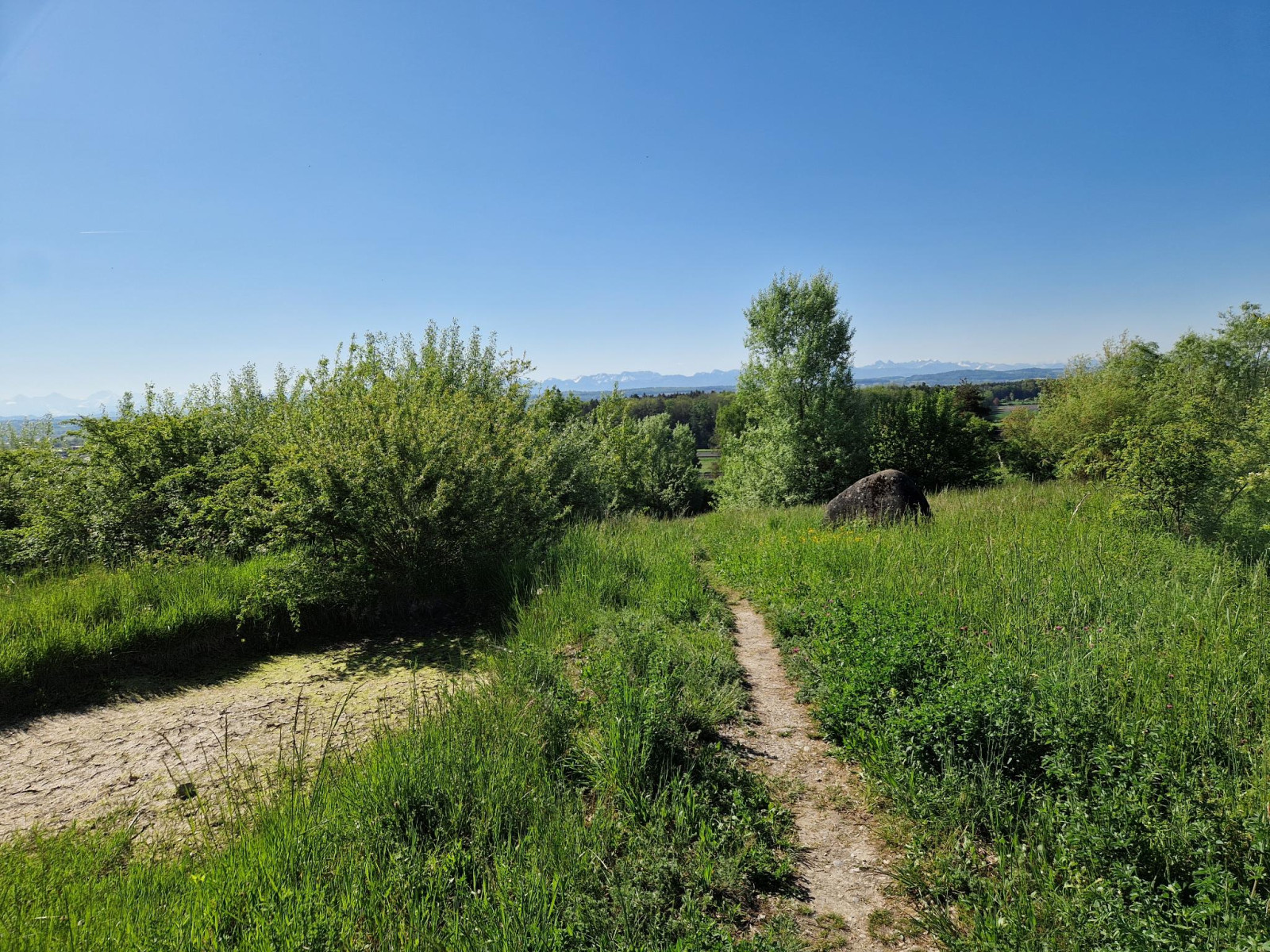
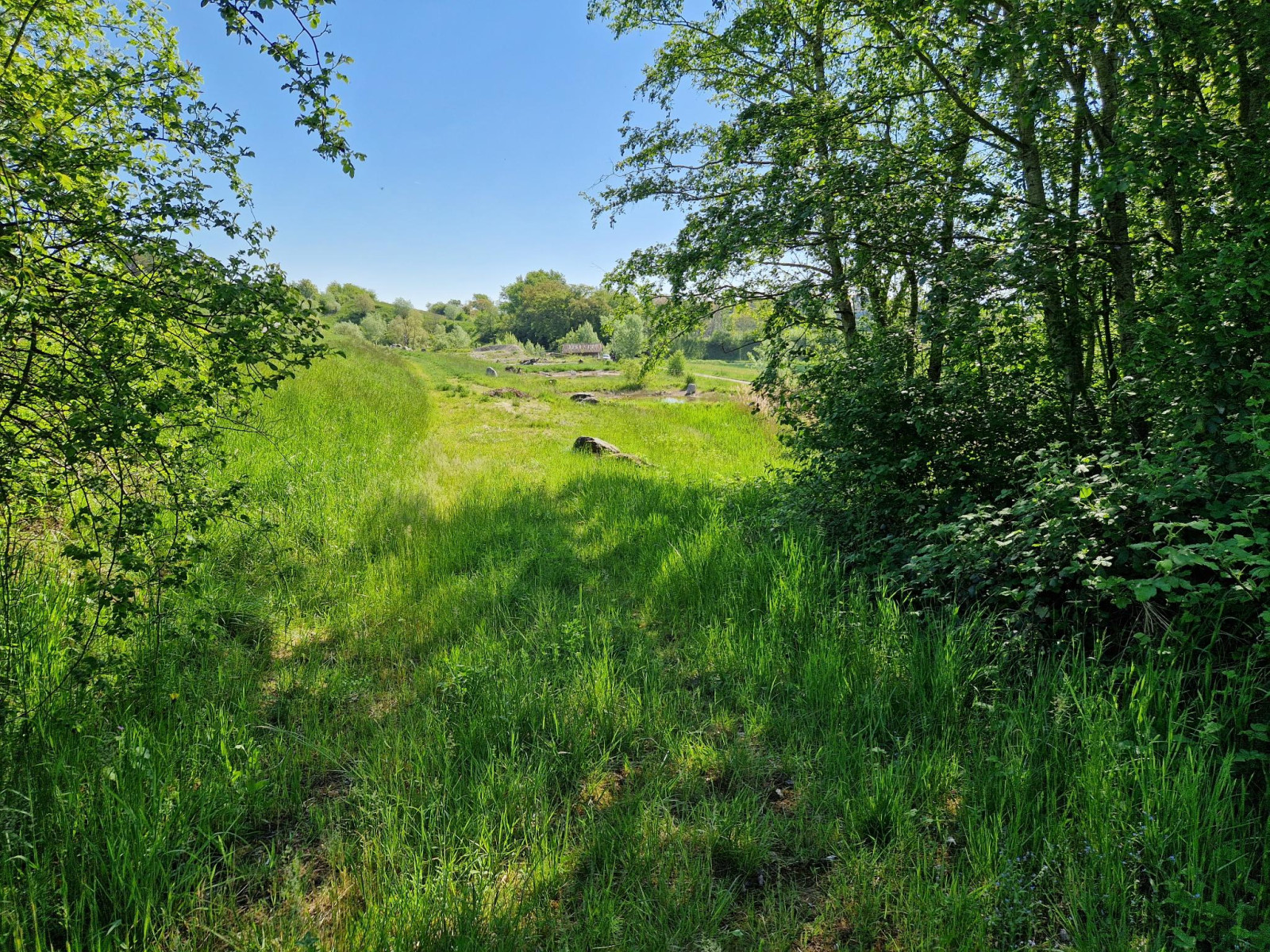
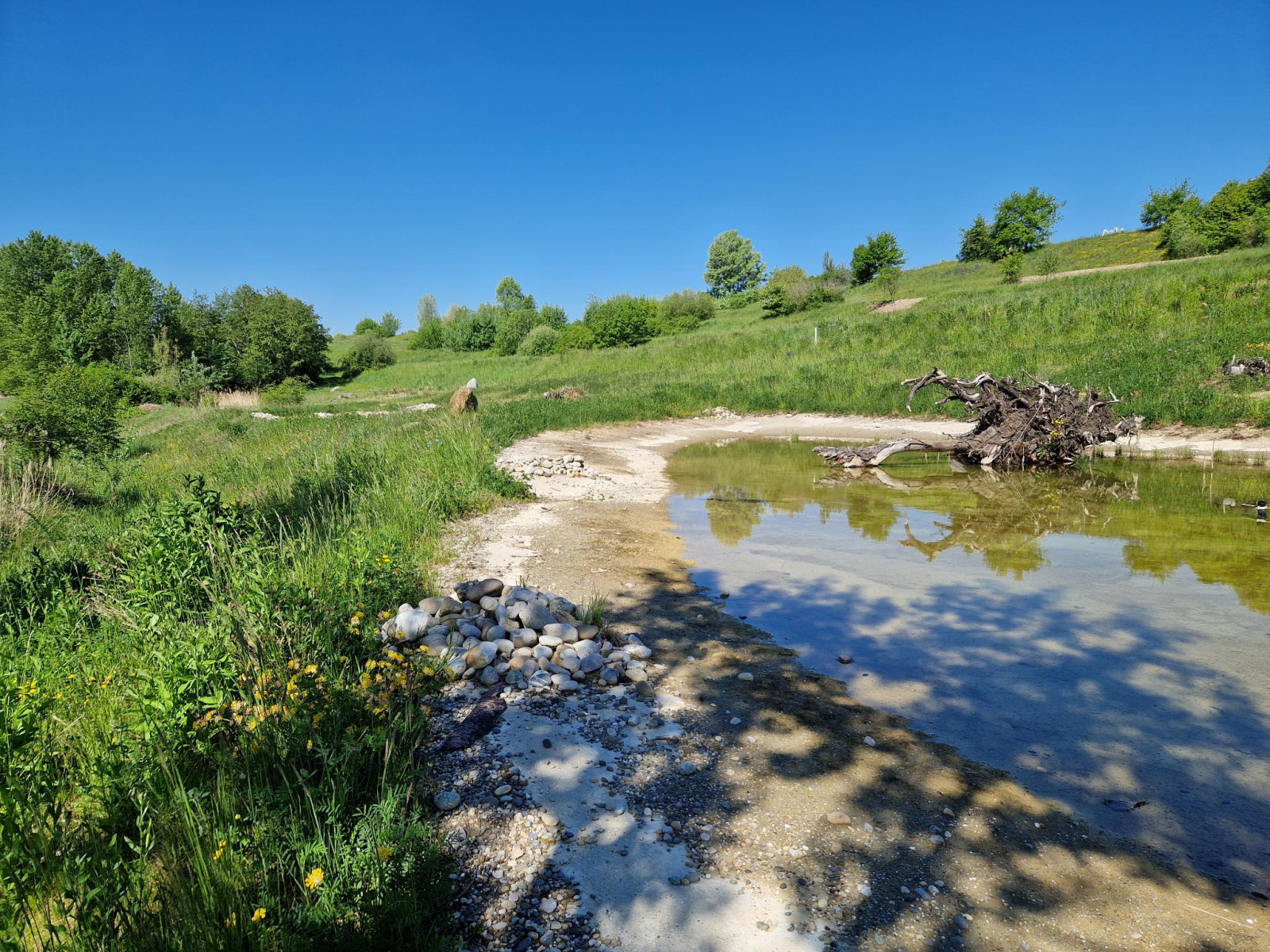
About 150 species have so far been recorded in this tiny nature reserve. Bir länge Stude is part of the Grosses Moos in the north of Lake Neuchâtel. It consists of a south-facing slope with semi-dry meadows (1), richly structured hedges (2) and a restored gravel pit (3). At the foot of the slope, some ponds have been created for amphibians (4); a small, ecologically managed vineyard (5) is cultivated here on a voluntary basis.
The typical birds of these habitats, which have become rare elsewhere, include rjava penica, slavec, rjavi srakoper, repaljščica, pogorelček and prosnik. The orchard trees provide food for vijeglavka. Especially in the tree groups lower down (6) you’ll find divja grlica and kobilar. One of the main target species of conservation efforts here is the veliki strnad, which has one of its last refuges in Switzerland in the Grosses Moos. Somewhat less frequently, kobiličar, mlinarček and prepelica are also seen. Noteworthy too is the large colony of breguljka in the restored gravel pit. From there, the call of the čebelar has been heard repeatedly - so far probably only from migrating individuals.
During spring migration, rare relatives of the habitat’s typical resident species turn up again and again: kratkoprsti škrjanček, vrtni strnad, rožnati škorec, and most recently a rjavoglavi srakoper have been sighted. močvirska uharica and rdečenoga postovka have also already stopped over in the area.
Details
Access
Bir Länge Stude is located between the villages of Müntschemier and Ins. The area is not specifically wheelchair accessible, but is mostly walkable on small paths. It’s somewhat remote and best reached by bike or on foot.
Terrain and Habitat
Forest , Agriculture , Scattered trees and bushes , Grassland , PondConditions
Hilly , Open landscapeCircular trail
YesIs a telescope useful?
NoGood birding season
Spring , Summer , AutumnBest time to visit
Spring migrationRoute
Wide path , Unpaved roadDifficulty walking trail
EasyAccessible by
FootBirdwatching hide / platform
NoExtra info
If you’re birding here, you’ll often find yourself alone in open fields. An early morning visit is recommended.



 ) to insert bird names in your own language. The birdnames will automatically be translated for other users!