
Description
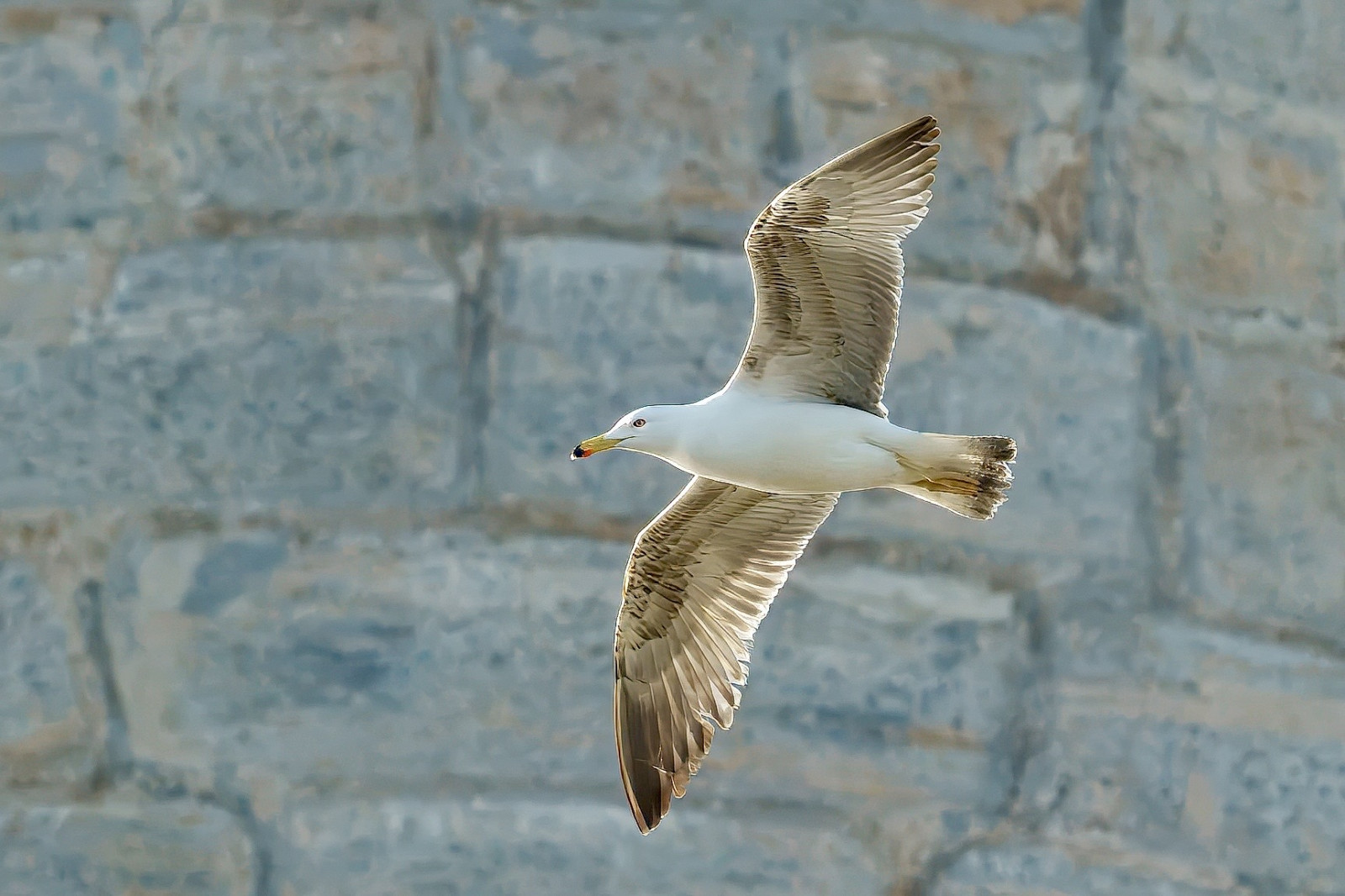
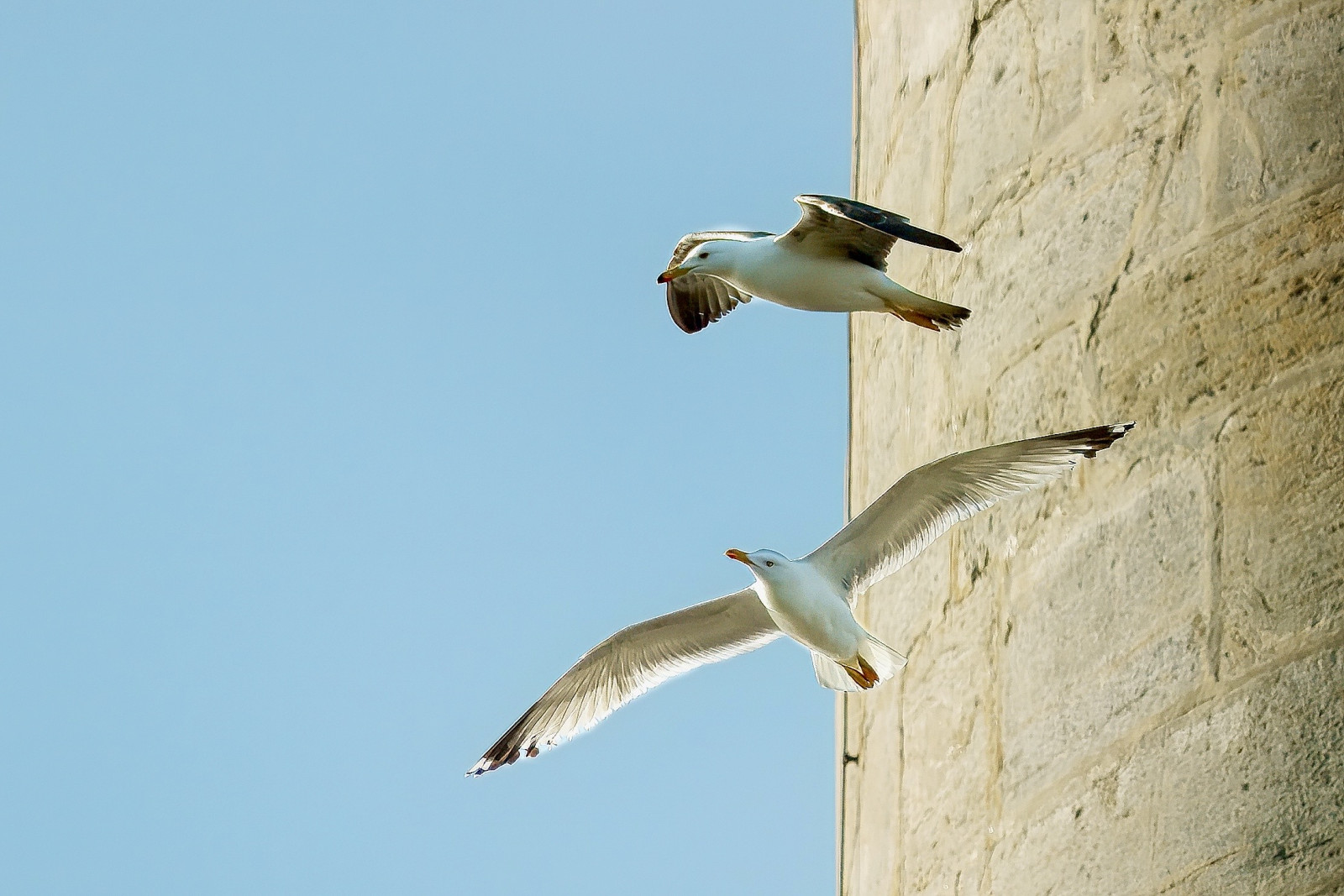
Faro de Cabo de Palos is a good place for the observation of seabirds. With patience and a spotting scope you can see birds like rumenokljuni viharnik, balearski viharnik, rečni galeb, sredozemski galeb, črnoglavi galeb, rumenonogi galeb, strakoš, velika govnačka, njorka, mormon, strmoglavec, veliki kormoran, vranjek, mala čigra, navadna čigra, kričava cigra and crna raca.
_________________________
Espagnol: Faro de Cabo de Palos, sitio de interés para la observación de aves marinas.
Details
Access
The observation point is located in the town of Cabo de Palos belonging to the municipality of Cartagena (Region of Murcia). To access the site, follow the directions for access to the Cabo de Palos lighthouse. In front of the lighthouse there is a free parking where you can leave your car. From here you walk towards the west, following the sidewalk and after a mere 40 meters you find a small cove called Calafría, bordering it on the right we can access the cliff, positioning yourselves in front of a black rocky islet that faces the cliff (from here the lighthouse from Cabo de Palos we will be on the left).
_________________________
Espagnol: El punto de observación se encuentra en la población de Cabo de Palos perteneciente al municipio de Cartagena (Región de Murcia), para acceder hay que seguir las indicaciones de acceso al faro de Cabo de Palos. Frente al faro hay un aparcamiento gratuito donde dejar el coche. Desde aquí caminamos hacia el oeste seguiendo la acera y a unos escasos 40 metros encontramos una pequeña cala llamada Calafría, bordeándola por la derecha podemos acceder hasta el acantilado, posicionándonos frente a un islote rocoso de color negro que queda frente al acant(desde aquí el faro de Cabo de Palos nos quedará a la izquierda).
Terrain and Habitat
Canyon/cliffConditions
Flat , No shadow , DryCircular trail
NoIs a telescope useful?
YesGood birding season
All year roundBest time to visit
Spring migration , Autumn migrationRoute
Unpaved roadDifficulty walking trail
EasyAccessible by
FootBirdwatching hide / platform
NoExtra info
It is a place of interest for observing migrating cetaceans (sperm whale, fin whale) and residents (bottlenose dolphin) from the coast. During the migratory passage you can see waders, ducks and birds of prey. It is also a point of interest for the observation of migrating passerines, especially during the month of April. Then you can see birds like kupcar, sredozemski kupčar, hribska listnica, pogorelček, rjavoglavi srakoper, severni kovaček, rjava penica, taščična penica, črnoglavi muhar and sivi muhar.
_________________________
Espagnol: Es un lugar de interés para la observación desde la costa de cetáceos en migración (cachalote, rorcual común) y residentes (delfín mular). Durante el paso migratorio se pueden observar limícolas, anátidas y también rapaces. Ademá es un punto de interés para la observación de paseriformes en migración, especialmente durante el mes de abril.


 (003).jpg)


 ) to insert bird names in your own language. The birdnames will automatically be translated for other users!