
Description
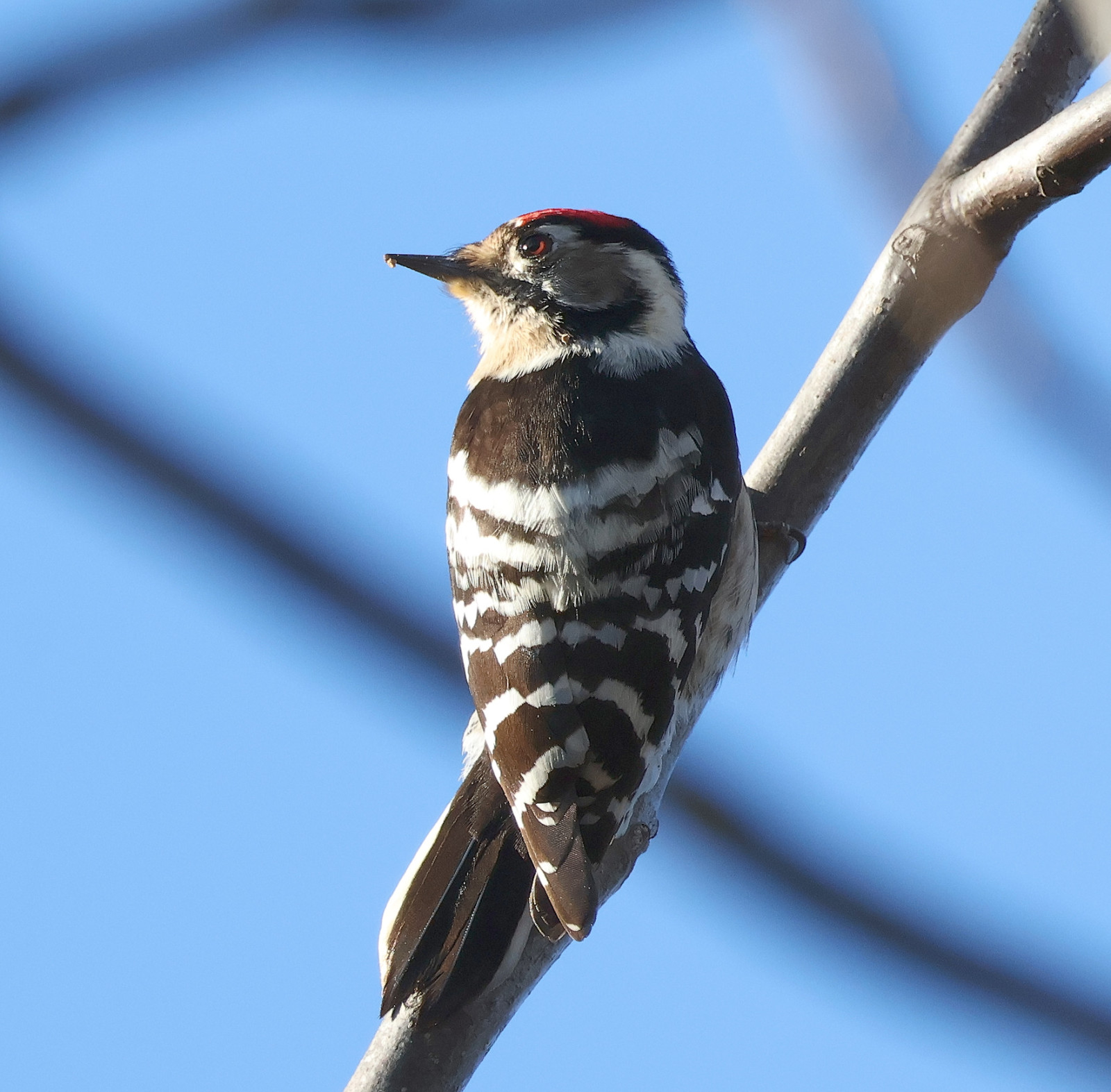
This little known but still beautiful place is located south-east of the city center. It presents a great mixture of habitats, including field, meadow, forest, marsh and city habitats. The fields and pastures are connected to the rest of Belgrade through Veliki Mokri Lug and Kumodraž, so it can be easily accesed. It boasts a great deal of birds year-round, with there being both common birds like penica čiernohlavá, sokol myšiar (pustovka), vrabec poľný and ďateľ veľký and birds that are less common and hard to find near urban areas such as skaliarik sivý, pŕhľaviar červenkastý, žlna sivá, ľabtuška vrchovská, muchárik bielokrký, včelárik zlatý (be aware that many of the mentioned birds are not always there, you have to visit at the right time and have some luck).
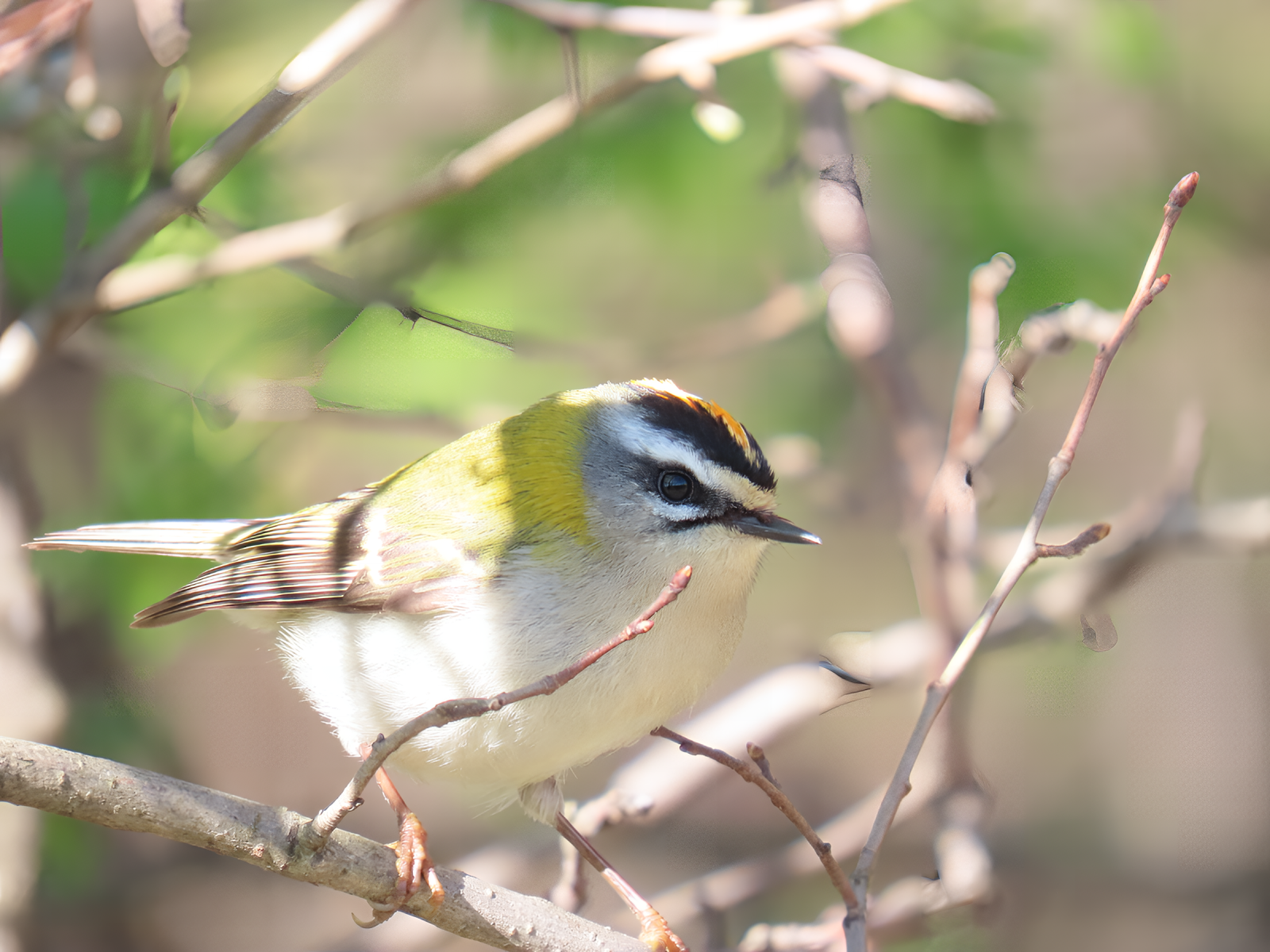
The best time to visit is winter when many finch species are regular, including hýľ obyčajný, glezg obyčajný, pinka severská (ikavec), stehlík čížik, stehlík konôpka and stehlík obyčajný, as well as many thrush species like drozd čvíkota, drozd červenkavý, drozd čierny, and drozd trskota. Regular in winter are also králik zlatohlavý, králik ohnivohlavý, vrchárka modrá, kačica chrapka, sýkorka uhliarka, oriešok obyčajný, ľabtuška lúčna and many others. In winter, all of the water birds come to the ponds. kačica divá can be seen from late autumn to may(can be spotted in flyovers year-round). kačica chrapka is here from late autumn but leaves before spring begins. chriašteľ vodný and sliepočka vodná are guaranteed from october to april, but moorhens can stay longer(maybe even present year-round). močiarnica mekotavá, kalužiak perlavý and kalužiačik malý can be spotted in winter, and are not always there.
During spring migration, many different birds can be seen, including leaving trushes and finches, and incoming birds, like bocian čierny, bocian biely, pŕhľaviar červenkastý, trasochvost žltý, dudok chochlatý, kolibiarik čipčavý, škovránik stromový, slávik obyčajný, lastovička obyčajná, dážďovník obyčajný, žltochvost hôrny during the early and middle parts of migration, and včelárik zlatý, strakoš obyčajný, krutohlav hnedý, strnádka lúčna, vlha obyčajná, penica popolavá, penica obyčajná prepelica poľná and výrik lesný in later parts of migration.
Although spring and summer are a bit worse in variety than autumn and winter, they still offer great birding. Especially in this period should you be looking out for less common flyover birds in this area and terrain, including dážďovník skalný, sokol lastovičiar and brehuľa hnedá. haja tmavá, chavkoš nočný, kukučka obyčajná, beluša malá, penica slávikovitá can and all have been spotted in this period.
Autumn migration marks the end of summer and the arrival and passage of many birds, like ľabtuška hôrna, kolibiarik sykavý, strakoš obyčajný , slávik obyčajný and muchár sivý in great numbers, but you can also find muchárik čiernohlavý and kolibiarik spevavý, Včelár lesný is a common flyover here, and even slávik veľký (a very rare bird in Serbia) has been spotted here for 3 years in a row.
All of these birds are here because of the diversity of this place, mentioned earlier. It is important to know what habitat to visit for the right type of bird. So for example, if you want to see myšiarka ušatá and kuvik obyčajný you should search the streets and roofs and backyards of houses. If you want to see žlna zelená and nesting vlha obyčajná, you should search the trees and tree lanes scattered all around the place, especially in Veliki Mokri Lug. Houses and backyards in Stari Vinogradi street regulary house králik zlatohlavý, hýľ obyčajný, kuvik obyčajný, výrik lesný, sýkorka uhliarka, vlha obyčajná, žltochvost hôrny and many others.
For some of the birds mentioned, you have to be lucky and search at the right time. Many birds have been sighted here that you will almost definetly not find because of their rarity for the region or habitat. Exampes include kaňa popolavá, jastrab veľký sokol sťahovavý, dážďovník plavý, slávik veľký, kaňa stepná, kršiak rybár, strnádka čiernohlavá, sedmihlások hájový trsteniarik bahenný, trsteniarik veľký, trsteniarik obyčajný, haja červená, sluka hôrna and others.
A stunning Belgrade city panorama stretching half the horizon can be seen at the slopes parallel to the Stari Vinogradi ('Old Vineyards') street. From there, the wast greeny hillside towards the Kumodraž suburbs can be observed, with numerous straka čiernozobá, havran čierny, vrana popolavá and occasional jastrab krahulec or sokol myšiar (pustovka). Small herds of goats and sheep are still grazing these greeny slopes, protecting the meadows from overgrowing with scrubs.
This location is also great for planespotting. Standing on the earlier mentioned viewpoint at the very entrance and the top of the hill, you can see most of the city, including a silhouette of the Nikola Tesla airport. Every plane landing or taking off from the east side of the airport will be very low in the sky, where you can get a great look at it because of the open terrain and panorama view.
So far, there are 146 confirmed species in this birdingplace, but including bordering terrains (like Stepin Gaj birdingplace) that number is as high as 165!
In conclusion, take some time to visit this birding place before the constant urbanization conquers it fully. You will certainly not regret it.
Details
Access
Take an E-75 highway from Belgrade city center towards Niš, then take the 'Lasta' exit and follow the directions to the 'P' mark on the map in the Stari Vinogradi street. Alternatively, head towards the Kumodraž suburbs and park on the second 'P' mark at the south part of the map. Bus lines 20, 308 and 38 lead to Veliki Mokri Lug, and bus lanes 33, 25P, 39, lead to Kumodraž. Bus lane 312 cirlces Veliki Mokri Lug. Bus stops 'Stari Vinogradi' and 'Buljubašine vode' are located near the entrance to the fields from the side of Veliki Mokri Lug.
Terrain and Habitat
Forest , Scattered trees and bushes , Grassland , Plateau , City/village , Agriculture , Reedbeds , PondConditions
Flat , Hilly , Open landscapeCircular trail
YesIs a telescope useful?
Can be usefulGood birding season
All year roundBest time to visit
Winter , Spring migration , Autumn migrationRoute
Paved road , Unpaved road , Narrow trailDifficulty walking trail
Average walkAccessible by
Foot , BicycleBirdwatching hide / platform
NoExtra info
Conditions can be pretty muddy after the rain, thus prepare the boots if you plan to leave the paved roads.
If you plan on venturing deeper looking for birds, you should be wary about dogs. Even though they likely have an owner and rarely show up, they can group up and potentialy become aggresive and start barking. Means of defense (like pepper spray) are recommended.
The terrain is very uneven and sometimes hard to traverse and there are many grass roots(surprisingly tough) that can get your leg stuck, so you should be careful.
Always wear pants or trousers that cover your legs completely if you want to venture in deeper grass looking for birds, there are a lot of thorns and seeds that can cut you or get stuck on you.
Links
- 'Njive i Živice između Velikog Mokrog Luga i Kumodraža' eBird hotspot
- 'Naselje Stepa Stepanović' eBird hotspot
- 'Naselje Kumodraž' eBird hotspot
- 'Naselje Veliki Mokri Lug' eBird hotspot


 ) to insert bird names in your own language. The birdnames will automatically be translated for other users!