Description
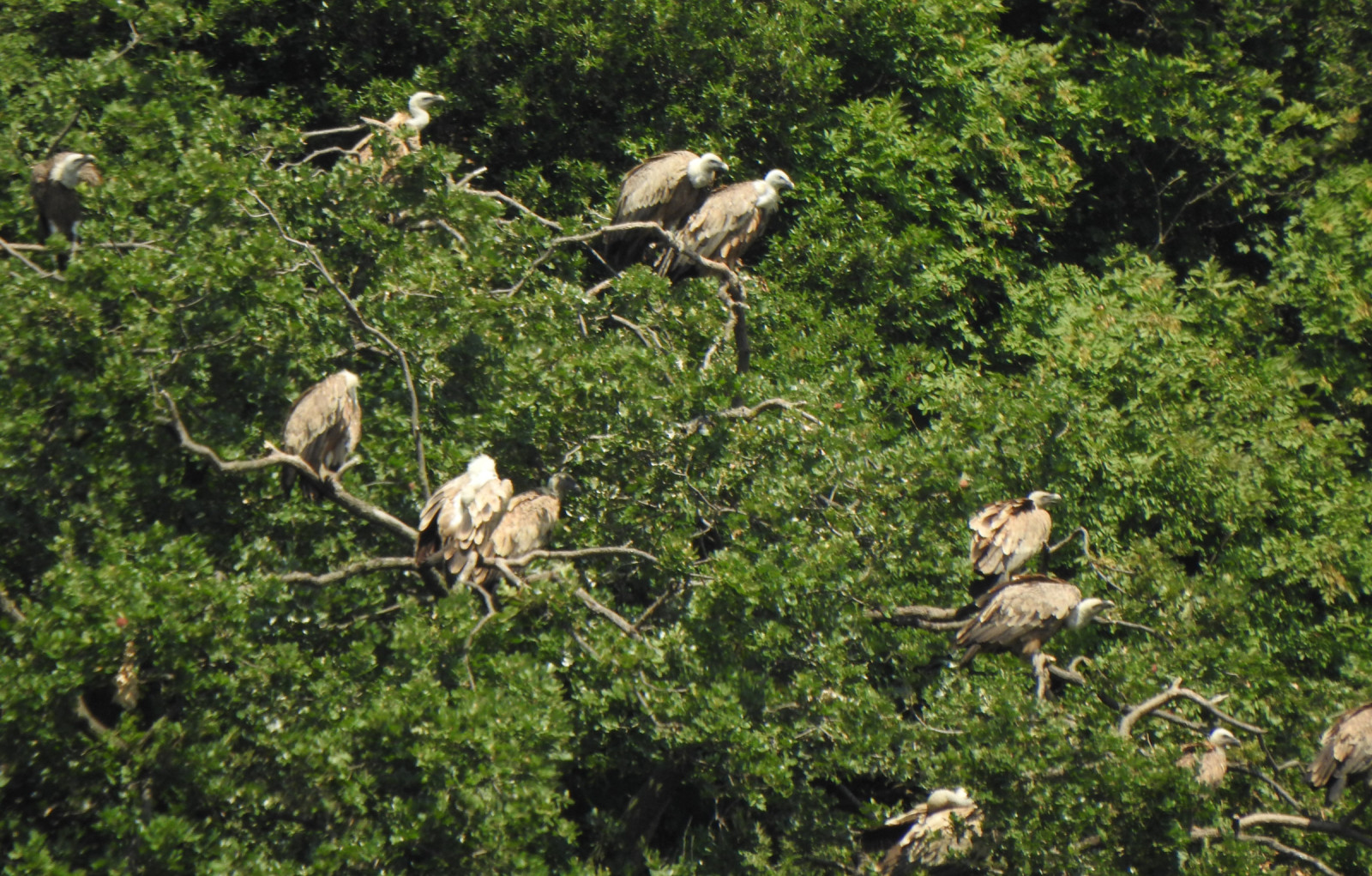
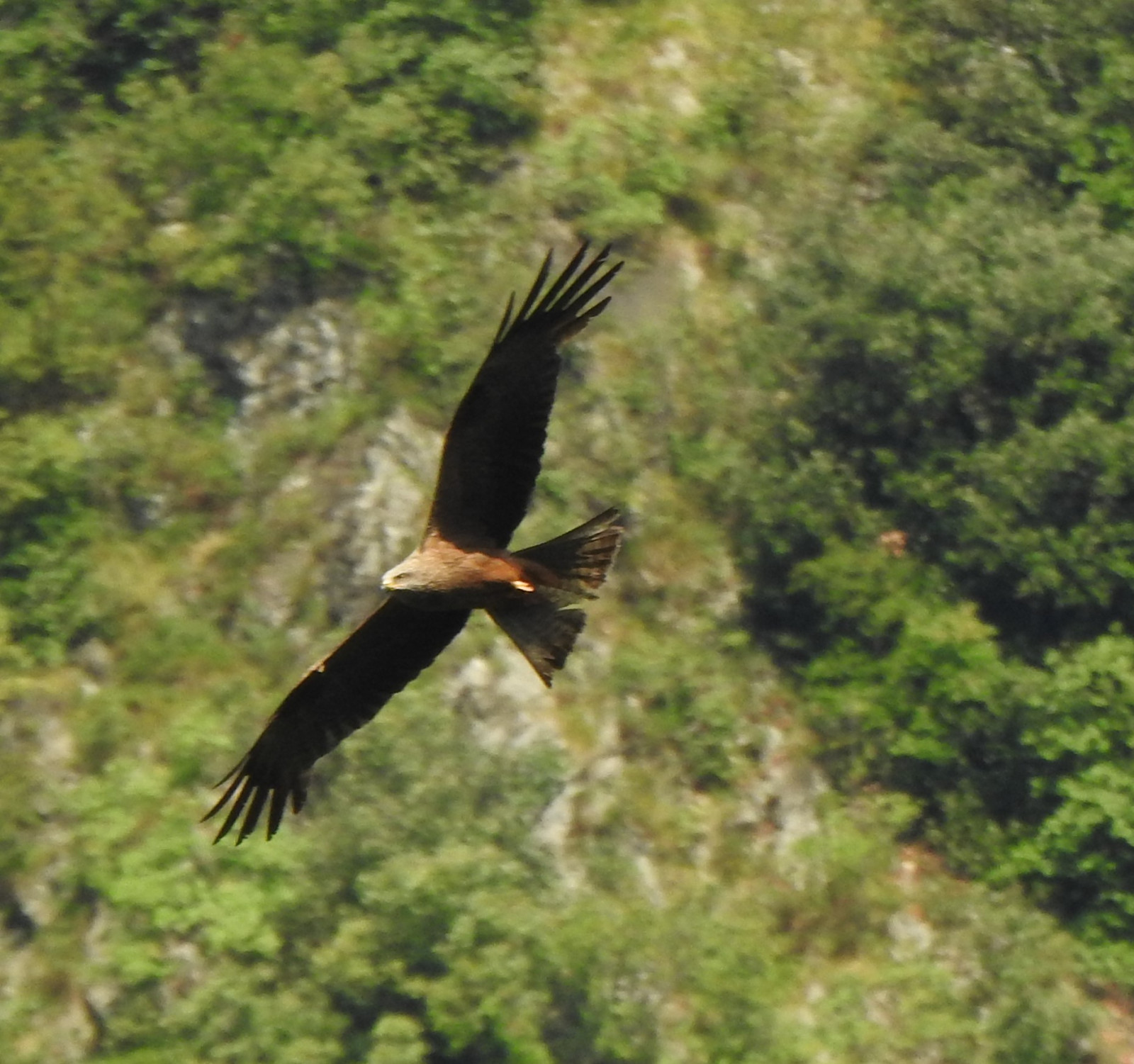
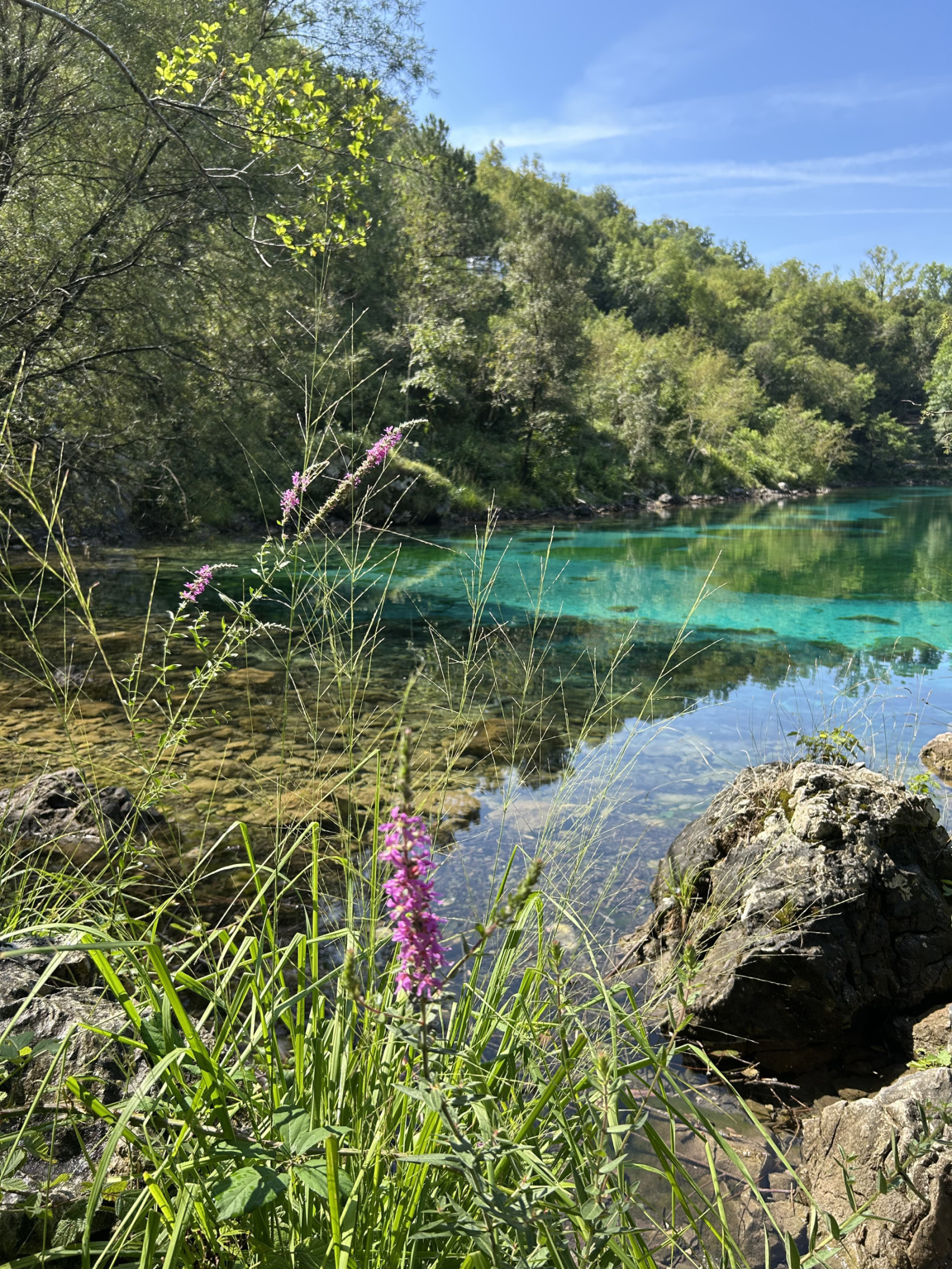
The Lago di Cornino reserve is named after Lake Cornino, a small lake of clear deep blue water, and borders the mighty Tagliamento River, the last “free” river in Europe. It was established in 1996 but the project of re-introducing sup bielohlavý to the region dates back to the 1980s. At that time about 75 vultures were released and a feeding point was created. According to the reserve’s website, the colony currently has about 150 griffons in winter and over 200 in spring and summer, when individuals arrive from other Mediterranean countries, and about 30 pairs nest along the central section of the valley of the River Tagliamento. Other large birds that can be observed circling above the sheer rock walls or around the feeding station include zdochlinár biely, sup tmavohnedý, orol skalný, haja červená and haja tmavá.
During spring and autumn migration one may also spot several less common birds of prey such as hadiar krátkoprstý , Včelár lesný , kršiak rybár, kaňa sivá, kaňa močiarna, kaňa popolavá and sokol kobcovitý.
Other species commonly observed around the visitor centre and the lake include penica čiernohlavá , slávik obyčajný , sojka obyčajná , strnádka cia and kolibiarik horský. výr skalný, sova lesná and kuvik obyčajný also inhabit the area.
_________________________
Italiano: La riserva del Lago di Cornino prende il nome dal Lago di Cornino, un piccolo lago dalle acque limpide e blu intenso, e confina con il possente fiume Tagliamento, l'ultimo fiume "libero" d'Europa. È stata istituita nel 1996, ma il progetto di reintroduzione del sup bielohlavý nella regione risale agli anni '80. In quell'occasione furono liberati circa 75 avvoltoi e fu creato un punto di alimentazione. Secondo il sito web della riserva, la colonia conta attualmente circa 150 grifoni in inverno e oltre 200 in primavera ed estate, quando gli individui arrivano da altri paesi del Mediterraneo, e circa 30 coppie nidificano lungo il tratto centrale della valle del fiume Tagliamento.
Details
Access
Lago di Cornino is located 30 km north of Udine, near the village of Sompcornino. Best accessible by car. There is a small car park at the visitor centre. Press P on the map for directions to the car park.
_________________________
Italiano: Il Lago di Cornino si trova 30 km a nord di Udine, vicino al villaggio di Sompcornino. È meglio raggiungibile in auto. Presso il centro visitatori è disponibile un piccolo parcheggio. Premere P sulla mappa per le indicazioni stradali per raggiungere il parcheggio.
Terrain and Habitat
Forest , Mountain , LakeConditions
MountainousCircular trail
NoIs a telescope useful?
Can be usefulGood birding season
All year roundBest time to visit
Spring migration , Summer , Spring , Autumn migrationRoute
Narrow trailDifficulty walking trail
Average walkAccessible by
FootBirdwatching hide / platform
YesExtra info
The best view of the feeding station is from within the visitor centre and therefore only accessible at opening hours. There is also a small exhibition about the geography of the region and its fauna and flora at the visitor centre. A few captive birds are exhibited here, e.g. specimen of griffon vulture that could not be released.
_________________________
Italiano: La migliore visuale sulla mangiatoia si ha dall'interno del centro visitatori, che è quindi accessibile solo durante gli orari di apertura. Presso il centro visitatori è allestita anche una piccola mostra sulla geografia della regione, la sua fauna e la sua flora. Qui sono esposti alcuni uccelli in cattività, come ad esempio un esemplare di grifone che non è stato possibile liberare.


 ) to insert bird names in your own language. The birdnames will automatically be translated for other users!