Description
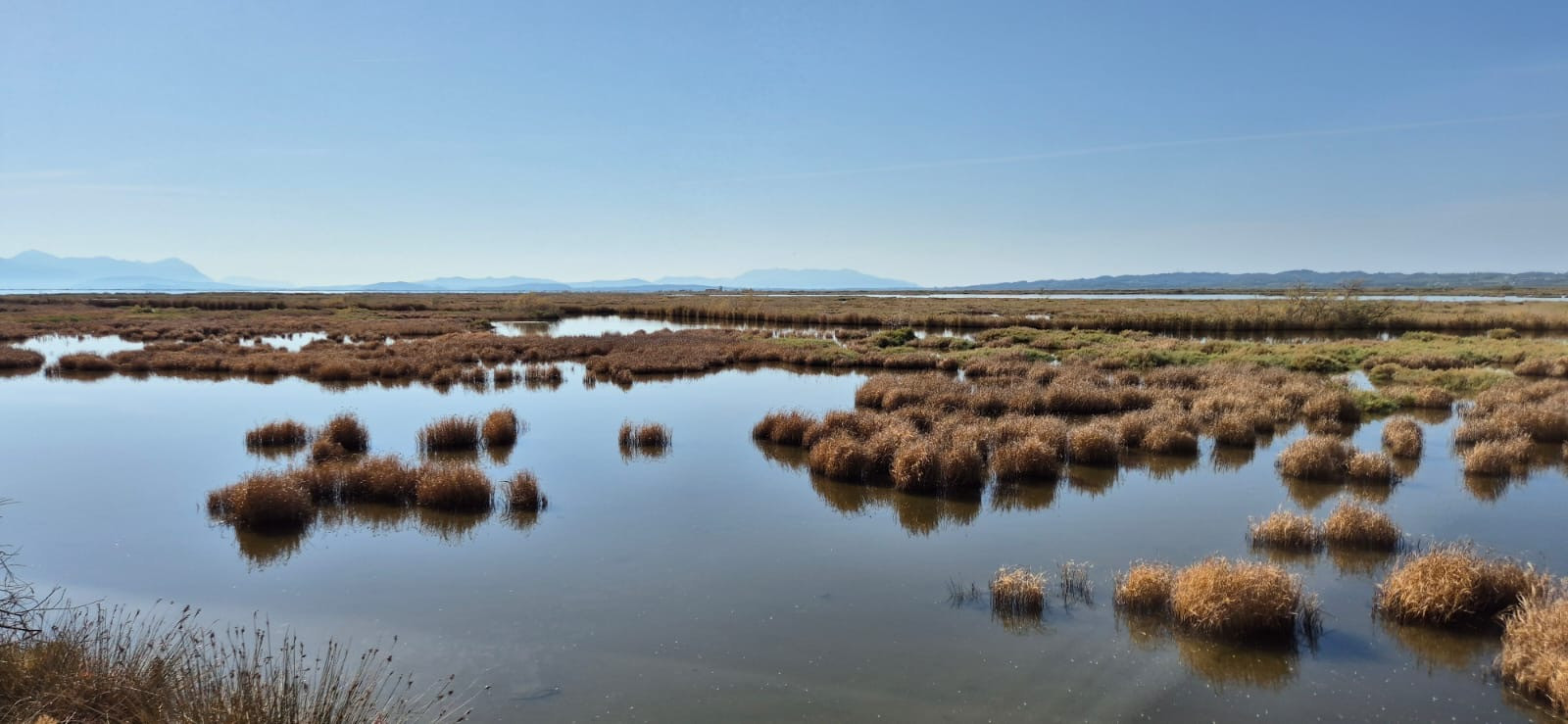
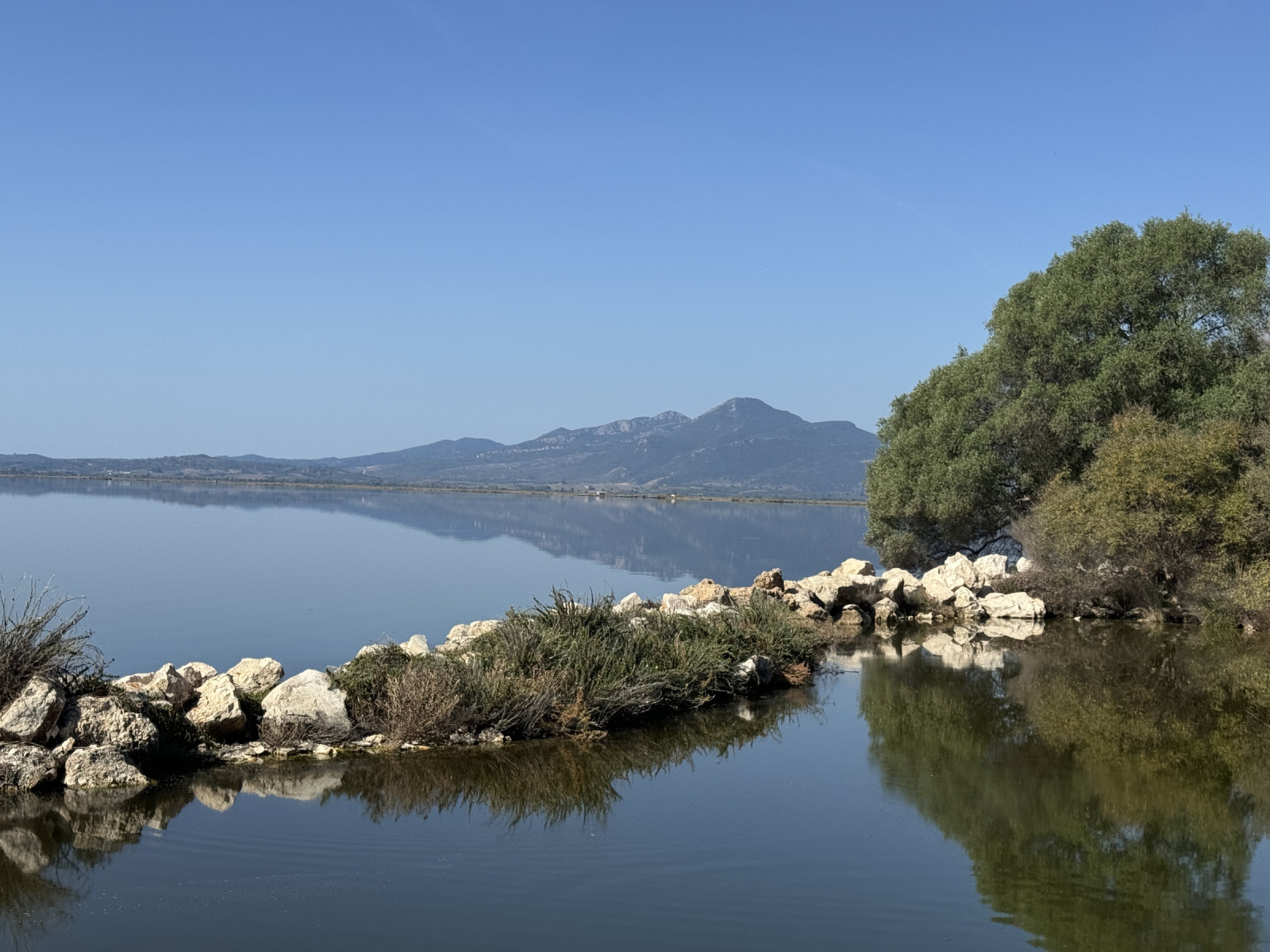
The interconnected Rodia and Tsoukalio lagoonal complex of the northern Amvrakikos Gulf is formed in the delta of the river Louros, with Rodia being the largest Greek marsh while the innermost and more restricted water body of the two, with less saline waters than Tsoukalio. About 300 bird species have been recorded in Amvrakikos National Park, out of a total of over 450 species of the Hellenic avifauna.
The northern section, the embankment along the river Louros (1) offers mostly sweetwater birds (e.g. ibisovec hnedý, lyžičiar biely), is heavily potholed and overgrown. By 2x4, mostly impassable after rains - visiting after a heavy shower, I was forced the retreat.
The dirt track between Strongyli and Vigla (2) starts with a narrow 50 metres section only to widen into a proper macadam, interesting for its songbirds, numerous penica sivá, skaliarik sivý and skaliar modrý. A well surfaced track and quite a productive section.
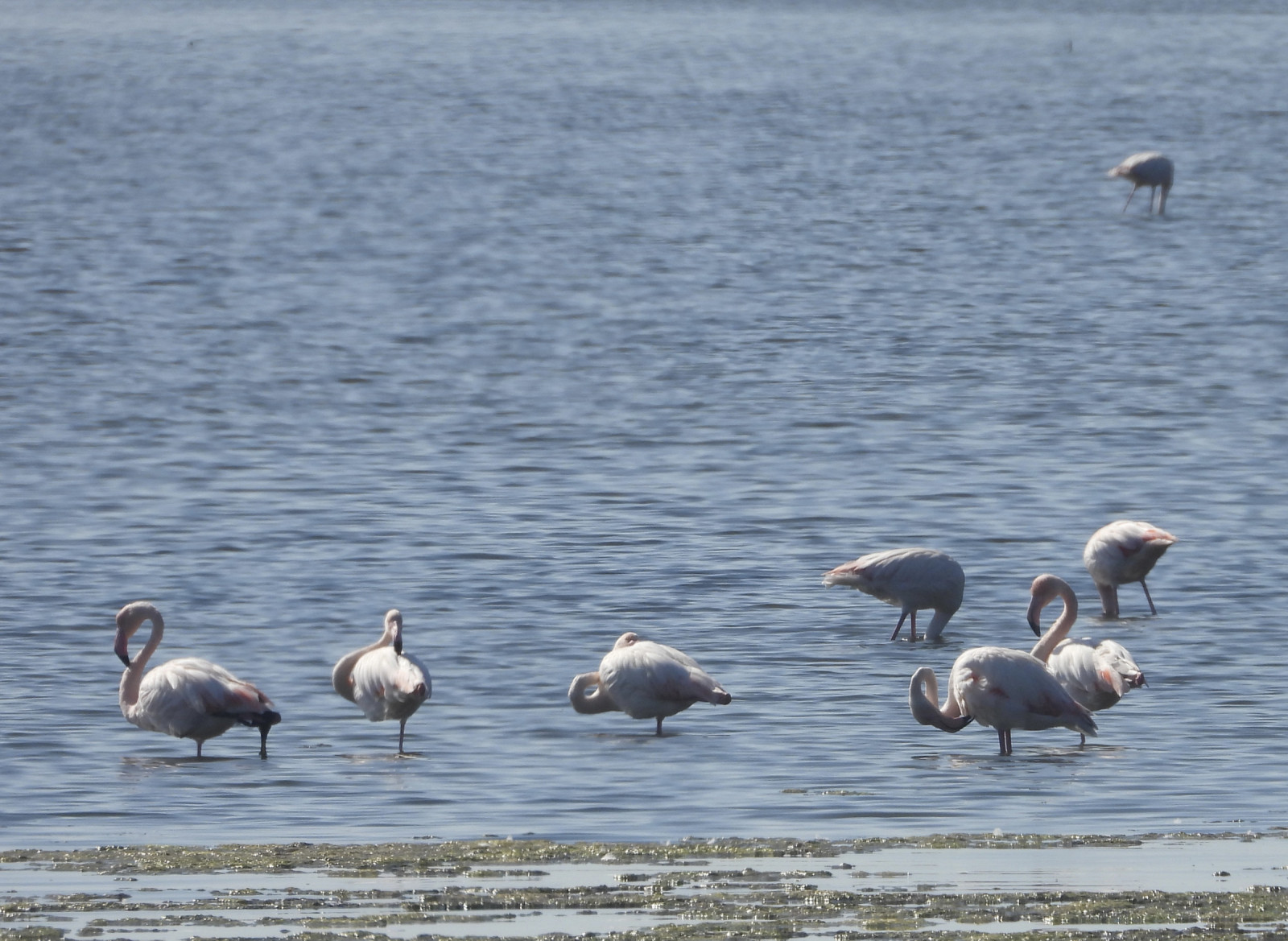
It ends with productive shorebird shallows (3) in front of Vigla (also plameniak ružový and the pelikán kučeravý). From Vigla follow asphalt to the east until you reach the main road from Arta. Turn right (south) there and continue until you reach the sea, with a small bridge over the canal at your right, continuing into the embankment protecting the Tsoukalio lagoon.
Try to follow the dirt track along the embankment (4) as long as your car allows you to. This is the area for saltwater shorebirds (kulík morský, lastúrničiar strakatý), terns, gulls, and more flamingos.
Wintering species recorded in large numbers in Αmvrakikos include the beluša veľká, the plameniak ružový, the lyžičiar biely, the kazarka pestrá, the kačica hvizdárka, the potápač prostredný, the pobrežník čiernozobý, the kalužiak červenonohý, as well as haja tmavá and haja červená (source https://amvrakikosalliance.net/biodiversity/bird-fauna/).
The Amvrakikos Wetlands National Park was founded on March 21, 2008 by Joint Ministerial Decree 11989/2008 (Government Gazette 123/D‘/21-03-2008).
Details
Access
The village of Petra, gateway to the western lagoons of Rodia and Tsoukalio, lies some 60 km or about an hour’ drive from either the northern Ionian resort of Parga or the southern resort of Lefkada. Be aware that the final road section Louros to Petra is winding and waiting for accidents to happen due to overspeeding.
Check the cliff by the main road to Arta (5), opposite to the turn off to Petra: sometimes it holds brhlík skalný. Click on the "P" in the map for directions.
Terrain and Habitat
Sea , Reedbeds , Agriculture , Scattered trees and bushes , Beach , Mud flats , Wetland , Canyon/cliffConditions
Hilly , Rocky , Open landscape , FlatCircular trail
NoIs a telescope useful?
YesGood birding season
All year roundBest time to visit
Winter , Spring migration , Spring , Autumn migrationRoute
Paved road , Unpaved roadDifficulty walking trail
Average walkAccessible by
CarBirdwatching hide / platform
YesExtra info
To be properly explored, Rodia and Tsoukalio lagoons require at least one full day or, better, two days.
A detailed description of the wider area is to be found in the Birding in Greece – Travel Guide to birdwatching sites in Greece (2014) by Vlachos, Trigou & Stavrakas (check the links below), as well as the Birdwatching in Northern Greece (2023) by Steve Mills.
Landscape photo: morning near the village of Strongili by Marion Schneider & Christoph Aistleitner / Wikimedia Commons.
Links
- eBird list
- Birding in Greece – Travel Guide to birdwatching sites in Greece (2014, pdf download) by Vlachos, Trigou & Stavrakas
- Travel Guide to birdwatching sites in Greece (Amvrakikos chapter starts at pg. 122)
- Amvrakikos Alliance


 ) to insert bird names in your own language. The birdnames will automatically be translated for other users!