
Description
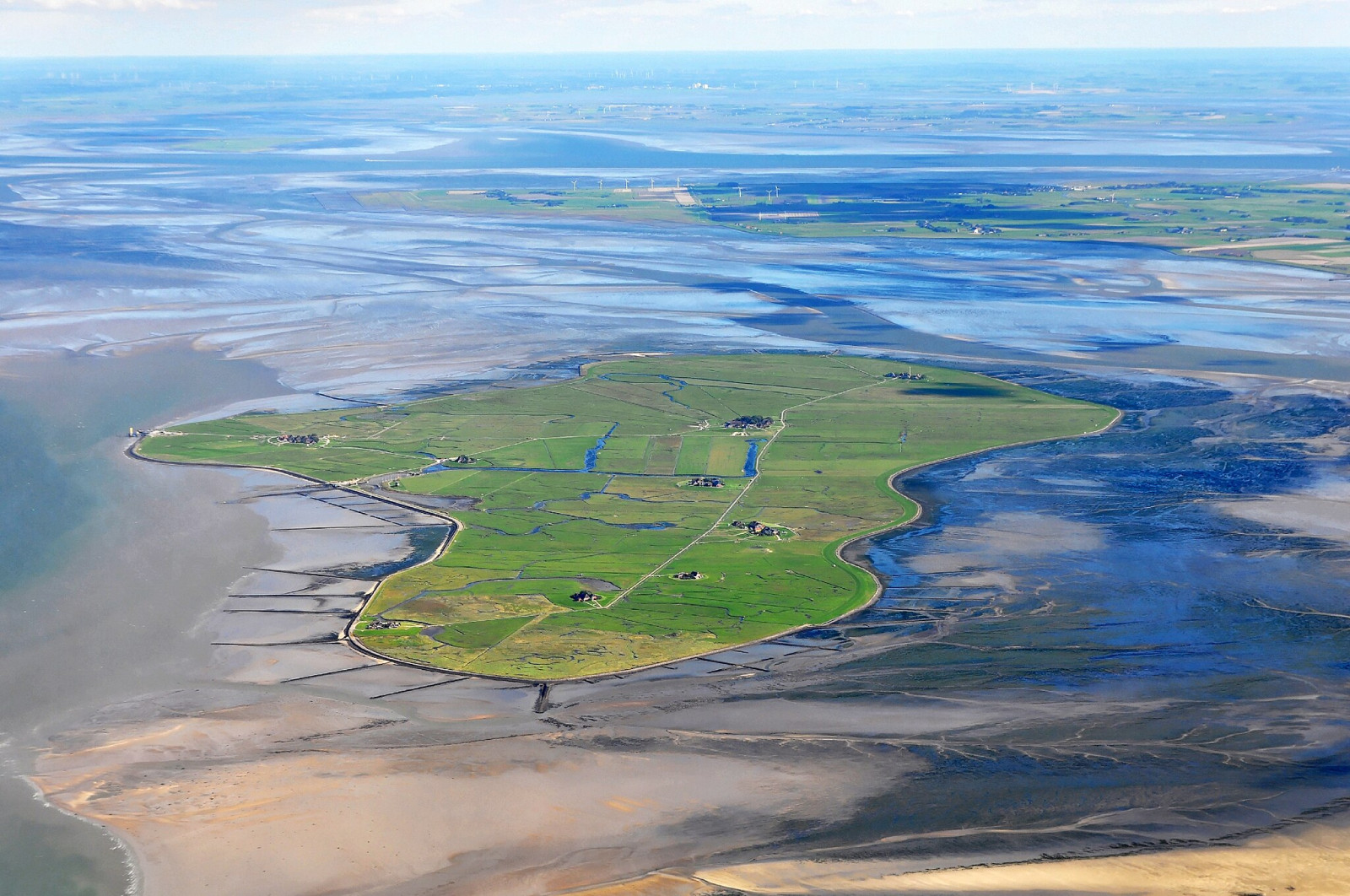
Hallig Hooge is characterized by large fallow areas, some of which are used for livestock farming. There are large areas of salt marsh on the east and west sides of the Hallig. While the North Sea is on the north side, large mudflats are exposed around the rest of the Hallig Hooge at low tide. Isolated hills with clusters of houses, small ponds and shrub structures allow very close observations of migrating songbirds, especially during migration periods.
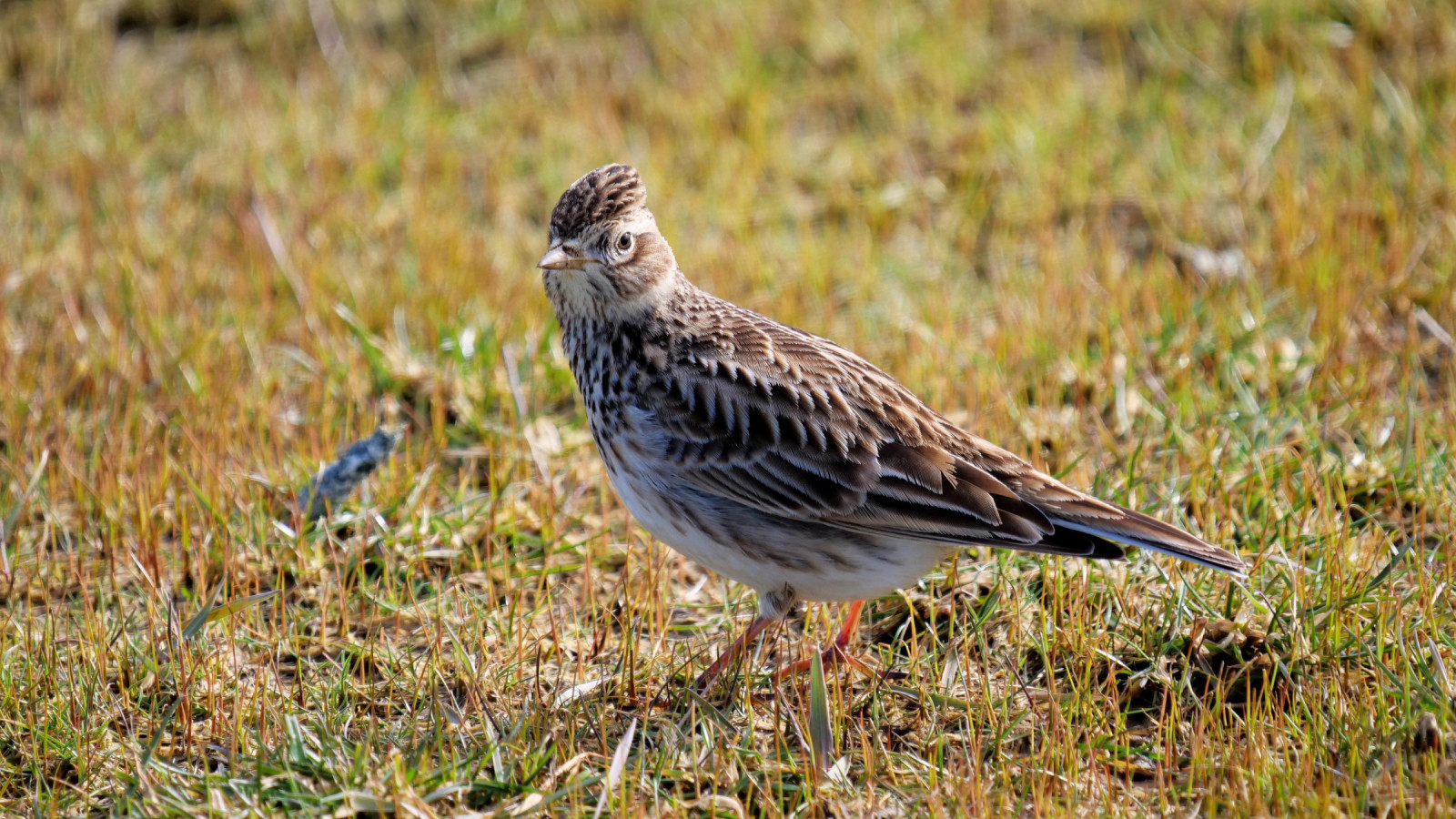
On a small sandbank on the northeastern side of Hallig Hooge is a hightide roost of waders and other waterbirds. But during very high tides the entire island is used as a roost. Breeding birds include lastúrničiar strakatý, kalužiak červenonohý and rybár malý on the small sandbar. Other birds you can encounter are depending on the season bernikľa tmavá, kačica hvizdárka, kazarka pestrá, kajka morská, potápač prostredný, šabliarka modronohá, kulík bledý, kulík zlatý, hvizdák veľký, brehár hrdzavý, kulík piesočný, kamenár strakatý, pobrežník čiernozobý, skaliarik sivý, ľabtuška lúčna, rybár dlhochvostý, rybár riečny and rybár sivý. During migration time you can also encounter birds such as bernikľa červenokrká, snehuľka severská, pobrežník morský, kolibiarik žltkastotemenný, Pied Wagtail, krutohlav hnedý and all types of songbirds like trushes and flycatchers.
Details
Access
Hallig Hooge can be reached by ferry from Schlüttsiel (see link below). Press P on the map for directions to Schlüttsiel. The crossing from Schlüttsiel to Hallig Hooge takes approximately 1 hour and 15 minutes. Every point on the island of Hallig Hooge itself is easily accessible on foot or by bike. You can get around on foot on the Warften (small hills, including clusters of houses and bush structures), but there are also some private properties and private paths.
Terrain and Habitat
Wetland , Grassland , Scattered trees and bushes , Plain , Sea , Dunes , Pond , Mud flats , Agriculture , Reedbeds , City/villageConditions
Flat , Hilly , Open landscape , High water possibleCircular trail
YesIs a telescope useful?
Can be usefulGood birding season
All year roundBest time to visit
Spring migration , Autumn migrationRoute
Paved road , Wide path , Unpaved road , Narrow trailDifficulty walking trail
EasyAccessible by
Foot , Bicycle , WheelchairBirdwatching hide / platform
NoExtra info
bernikľa červenokrká chochlačka morská turpan čierny hlaholka severská hus bieločelá chochlačka morská potápka malá kukučka obyčajná lelek lesný dážďovník obyčajný lyska čierna žeriav popolavý cibík chochlatý kulík riečný kulík vrchovský pobrežník krivozobý sluka hôrna močiarnica mekotavá lyskonoh úzkozobý kalužiačik malý kalužiak perlavý kalužiak sivý pomorník príživný čajka trojprstá čegrava veľkozobá potáplica malá sula biela beluša malá lyžičiar biely kršiak rybár kaňa sivá trsteniarik obyčajný trsteniarik bahenný kolibiarik sykavý kolibiarik žltkastotemenný kolibiarik stužkatý kolibiarik králikovitý Siberian Chiffchaff kôrovník dlhoprstý kôrovník krátkoprstý drozd kolohrivec drozd trskota skaliarik sivý trasochvost horský ľabtuška skalná Pied Wagtail Grey-headed Wagtail (thunbergi) Western Yellow Wagtail pinka severská (ikavec) stehlík horský stehlík čečetka strnádka trstinová jastrab veľký myšiak severský myšiak hôrny rybárik riečny krutohlav hnedý sokol kobec sokol sťahovavý strakoš obyčajný straka čiernozobá kavka tmavá havran čierny vrana popolavá uškárik vrchovský škovránik stromový sedmihlások hájový trsteniarik malý


 ) to insert bird names in your own language. The birdnames will automatically be translated for other users!