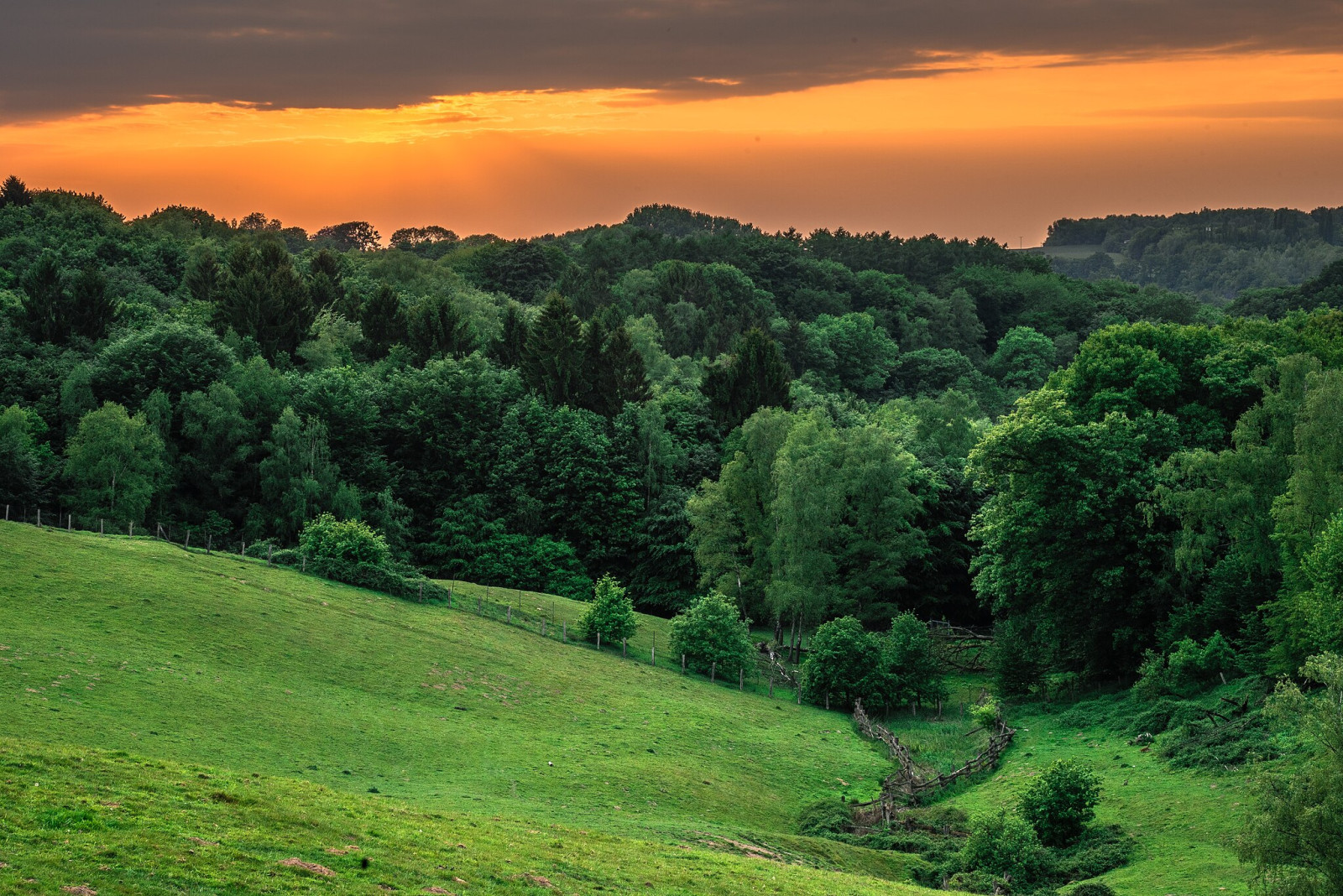


Description
A walk around the wildlife reserve Eiszeitliches Wildgehege through the Neandertal valley along the Düssel river and back along the meadows is quite nice on it's own and offers opportunities to see a variety of birds. About 125 bird species have been recorded in the area, with about 75 of them beeing quite regular at some time of the year. An average visit in the summer half year can usually result in about 30 species. A walk around the wildlife reserve can be combined with a visit to the Neanderthal Museum.
In the beech forest ďateľ prostredný and in some years tesár čierny are resident. trasochvost horský and rybárik riečny are both common along the Düssel river, with the latter beeing more often heard than seen. vodnár potočný also used to be common along the river, but in recent years they are only regular at the main road bridge right in front of the museum.
In the hedges along the meadows strnádka obyčajná and penica obyčajná are breeding. škorec obyčajný, trasochvost biely, drozd trskota, žlna zelená, sokol myšiar (pustovka) and myšiak hôrny search the meadows for food. haja červená can often be seen over the valley during the summer half year.
The fences, trees and bushes around the game reserve and on the nearby Parkfriedhof are popular resting spots for migrating passerines such as: žltochvost hôrny, muchár sivý, muchárik čiernohlavý and ľabtuška hôrna and more rarely: pŕhľaviar červenkastý, pŕhľaviar čiernohlavý and skaliarik sivý. In the meadows during migration sometimes ľabtuška lúčna and trasochvost žltý search for food.
The meadows at the edge of the valley can also be good viewing points for autumn migration. On good migration days hundreds of drozd čvíkota, drozd červenkavý, škovránok poľný, ľabtuška lúčna, pinka obyčajná, pinka severská (ikavec) and škorec obyčajný can be seen migrating through. In lesser number birds like škovránik stromový and jastrab krahulec can be observed and there is always the chance for someting special.
In winter alder trees in the valley can lure in big groups of stehlík čížik. Around March huge amounts of ivy in the neandertal valley often supports several hundred of drozd červenkavý for a couple weeks.
Close to the game reserve on Diepensiepen 6 in the Neandertal valley lies a pond with a tiny little island. On it stands a single weeping willow with about 10 pairs of volavka popolavá nesting on it. It's a very picturesque view, popular with photographers.
Details
Access
Eiszeitliches Wildgehege Neandertal is located just outside Düsseldorf, close to the highways A46 and A3. Parking is possible either at the Neanderthal Museum or at the Parkfriedhof in Hochdahl. Press a P on the map for directions. You can access the area with train from Düsseldorf HBF. Take the S8 towards Hagen/Wuppertal until Hochdahl Millrath (marked 1 on the map) or the S28 toward Mettmann/Wuppertal until Neandertal Museum, with a little walk you end at the starting parking spots for the cars.
Acces to the area is best by food. The walk around the reserve features several inclines with steep wooden steps. You should take about 3 hours for a walk around the area. If you want to watch autumn migration, take as much time as you can. A spotting scope is usefull, if you want to search all fencepoles for passerines.
The Cafe Op dem Kamp along the way, gives a good opportunity for a break with coffee and homemade cake.
Terrain and Habitat
Forest , Agriculture , Park , GrasslandConditions
HillyCircular trail
YesIs a telescope useful?
Can be usefulGood birding season
All year roundBest time to visit
Autumn migration , SpringRoute
Narrow trailDifficulty walking trail
Average walkAccessible by
Foot , BicycleBirdwatching hide / platform
NoExtra info
The Eiszeitliches Wildgehege Neandertal is a wildlife park where animals from the Ice Age are kept in large, natural enclosures. You can find European bison (wisent), Heck cattle, and Heck horses. The wildlife park is free to enter. You can visit at any time, as the wildlife park is always accessible.


 ) to insert bird names in your own language. The birdnames will automatically be translated for other users!