Description
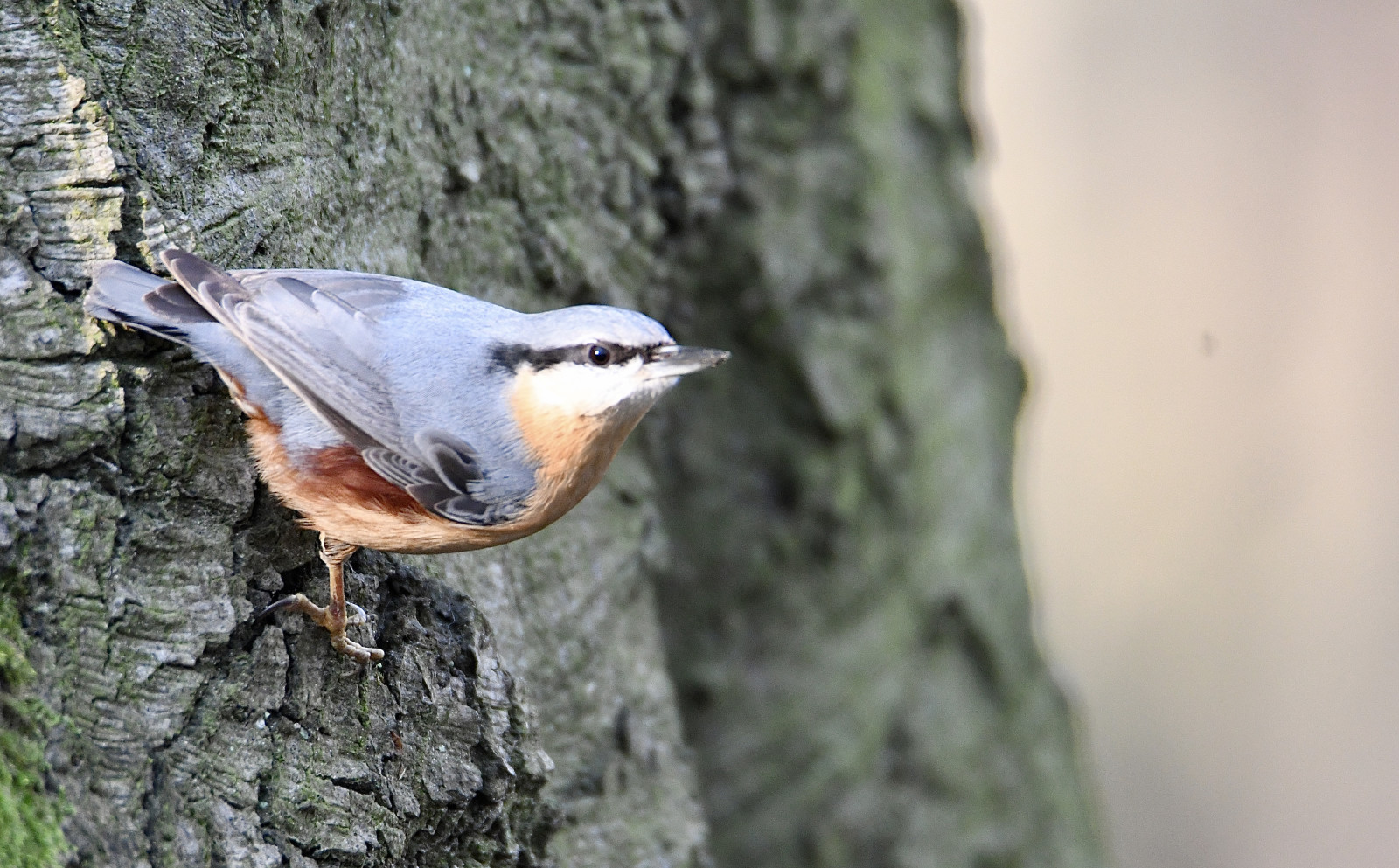
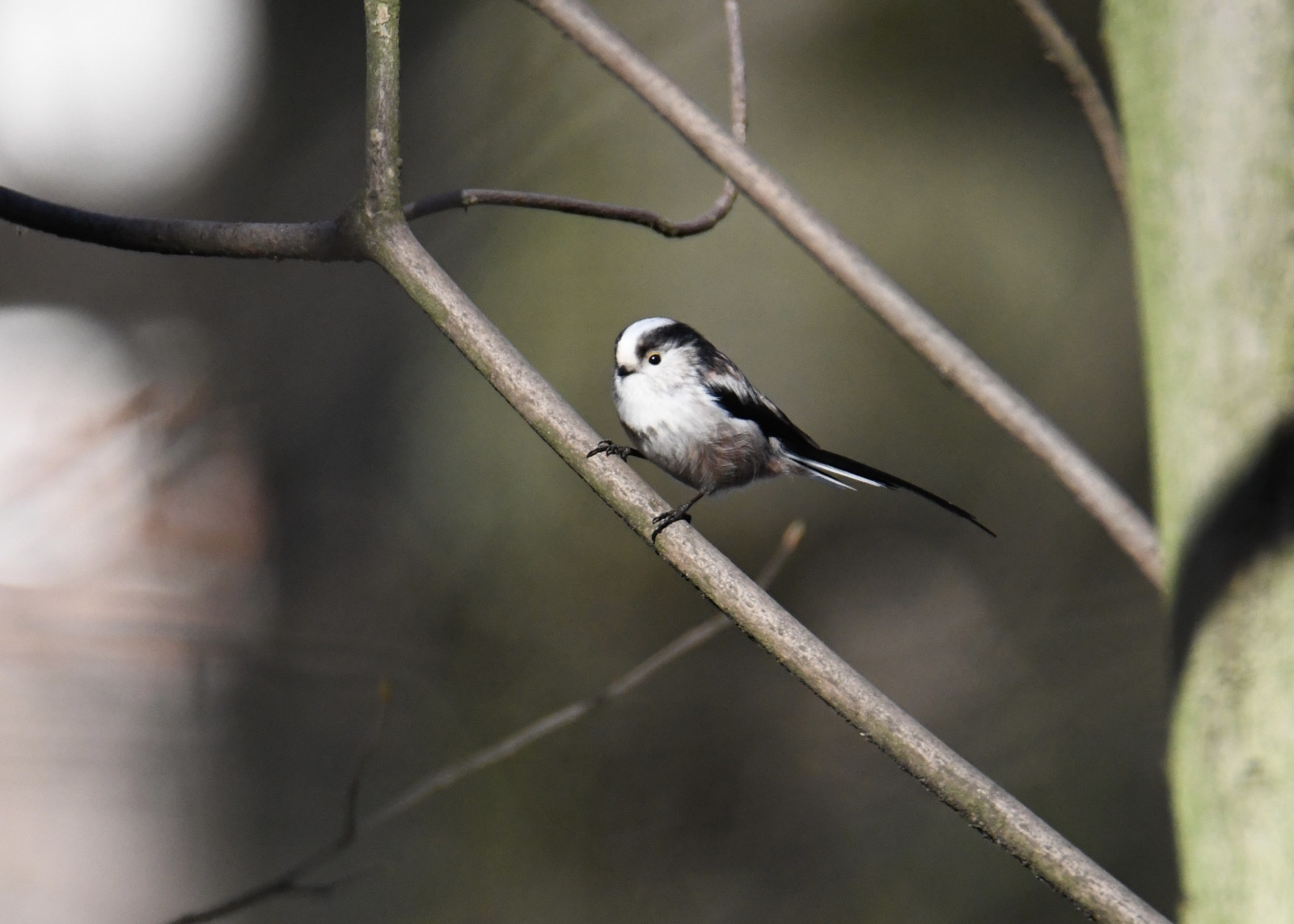
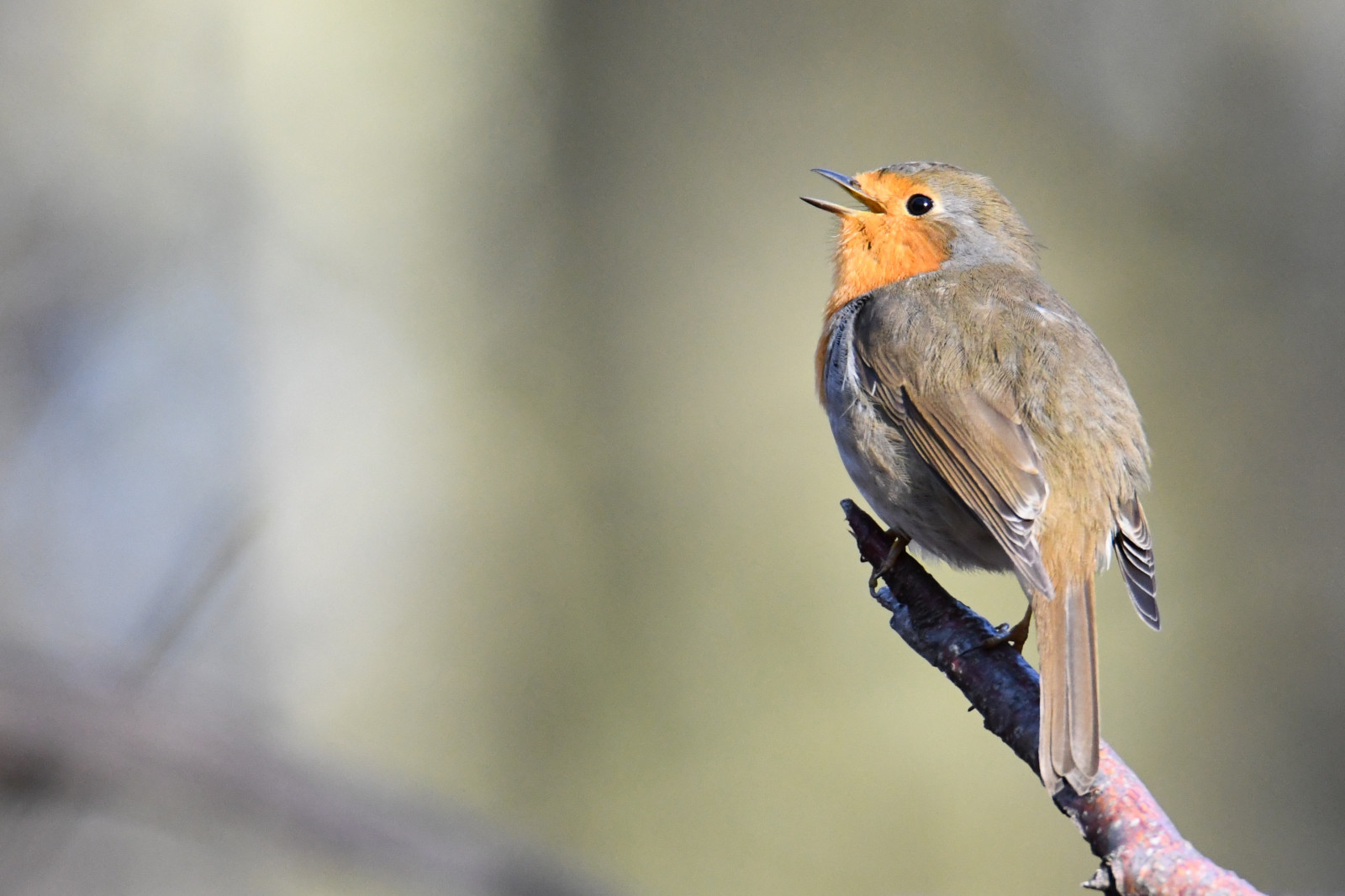
Parc Brugmann offers opportunities to see garden and forest birds up close, because they are accustomed to the frequent passage of people in the park. You can see tits as sýkorka hôrna, sýkorka belasá, sýkorka veľká and mlynárka dlhochvostá. At the level of woodpeckers and birds related to tree trunks, you can observe ďateľ veľký, žlna zelená, brhlík obyčajný and kôrovník krátkoprstý. Of course drozd čierny, červienka obyčajná, vrchárka modrá, oriešok obyčajný, vrana čierna, straka čiernozobá, sojka obyčajná, holub hrivnák and pinka obyčajná. When it comes to raptors, the myšiak hôrny is present all year round in the park and the jastrab krahulec occasionally flies by.
_________________________
Français: Le parc Brugmann est un petit bois de hêtres majoritairement entouré de grands appartements qui abrite une faune (et flore) étonnante pour être en plein ville ! Ce petit parc offre des opportunités de voir des oiseaux de jardins et forêts d'assez près, car ceux ci sont abitués au passage fréquent des gens dans le parc mais qui ne font pas attention a eux. On pourra voir ici des mésanges comme la sýkorka hôrna, la sýkorka belasá, la sýkorka veľká et la mlynárka dlhochvostá. Au niveau des pics et oiseaux relationnés au tronc d'arbres on pourra observer le ďateľ veľký, le žlna zelená, la brhlík obyčajný et le kôrovník krátkoprstý. Bien sur le drozd čierny, le červienka obyčajná, l' vrchárka modrá, le oriešok obyčajný, la vrana čierna, la straka čiernozobá, le sojka obyčajná, le holub hrivnák et le pinka obyčajná. Quand a les rapaces, la myšiak hôrny est présente toute l'année dans le parc est occasionellement l' jastrab krahulec passe en vol.
Details
Access
Parking spaces are rare but you can always try these places: Avenue de Messidor at the entrance to the park, on Avenue Bourgmestre Jean Herinckx, and on Avenue Adolph Dupuich. If not, tram 7 is the main public transport to reach the site (get off at the Churchill stop and take Avenue Messidor until you see the park entrance on your left).
_________________________
Français: Les places pour se garer sont rares mais vous pouvez toujours essayer a ces endroits: Avenue de Messidor au niveau de l'entrée du parc, sur l'avenue Bourgmestre Jean Herinckx, et sur l'avenue Adolph Dupuich. Au si non le tram 7 est le principal transport en commun pour rejoindre le site (descendez à l'arret Churchill et prenez l'avenue Messidor jusqu'a voir l'entrée du parc sur votre gauche).
Terrain and Habitat
ForestConditions
HillyCircular trail
YesIs a telescope useful?
Can be usefulGood birding season
All year roundBest time to visit
SpringRoute
Narrow trail , Wide pathDifficulty walking trail
EasyAccessible by
FootBirdwatching hide / platform
NoExtra info
Note that in spring and summer you can see in addition to the species mentioned above, the kolibiarik čipčavý and the penica čiernohlavá. The holub plúžik very surely nests on the site because it is very often observed. The králik zlatohlavý and králik ohnivohlavý are very often seen at the site, and zelienka obyčajná can be heard singing in the trees towards the end of winter.
In winter, the drozd červenkavý can be seen by searching for food on the ground. You'll probably catch a small group of pinka obyčajná looking for food on the ground too. The passage of stehlík čížik above the park is more or less common during the winter, but these do not land in the woods. Finally, if you find an open area to see the sky, you can see passing over our heads in migration (March-April and September-November) ľabtuška lúčna, the beluša veľká, groups of stehlík čížik or the škovránok poľný.
_________________________
Français: A noter que au printemps et en été on sait voir en plus des espèces cités précédement, le kolibiarik čipčavý et la penica čiernohlavá. Le holub plúžik niche très surement sur le site car est très souvent observé. Le králik zlatohlavý et le králik ohnivohlavý sont trés souvent observés sur le site, et le zelienka obyčajná peut être entendu en train de chanter au dans les arbres vers la sortie de l'hiver.
A l'hiver on saura voir la drozd červenkavý en recherchant de la nourriture au sol ou dans le lierre dans les arbres. Vous surprendrez surement un petit groupe de pinka obyčajná recherchant de la nourriture au sol aussi. Le passage de tarin des aulnes au dessus du parc est plus au moins courant pendant l'hiver, mais ceux ci se posent pas dans le bois. Finallement si vous trouvez une zone ouverte pour voir le ciel, on pourra voir passer au dessus de nos têtes en migration (mars-avril et septembre-novembre) des ľabtuška lúčna, la beluša veľká, des groupes de stehlík čížik ou l' škovránok poľný.


 ) to insert bird names in your own language. The birdnames will automatically be translated for other users!