Description
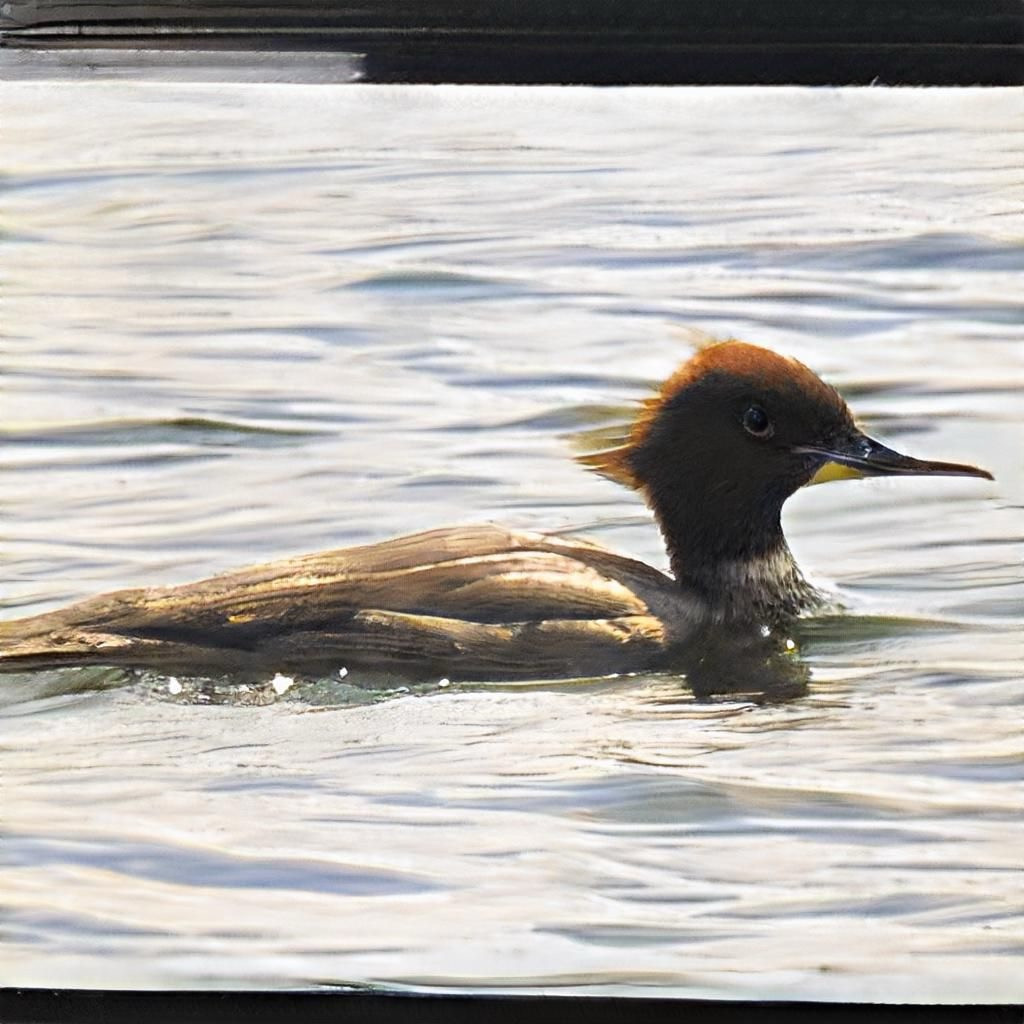
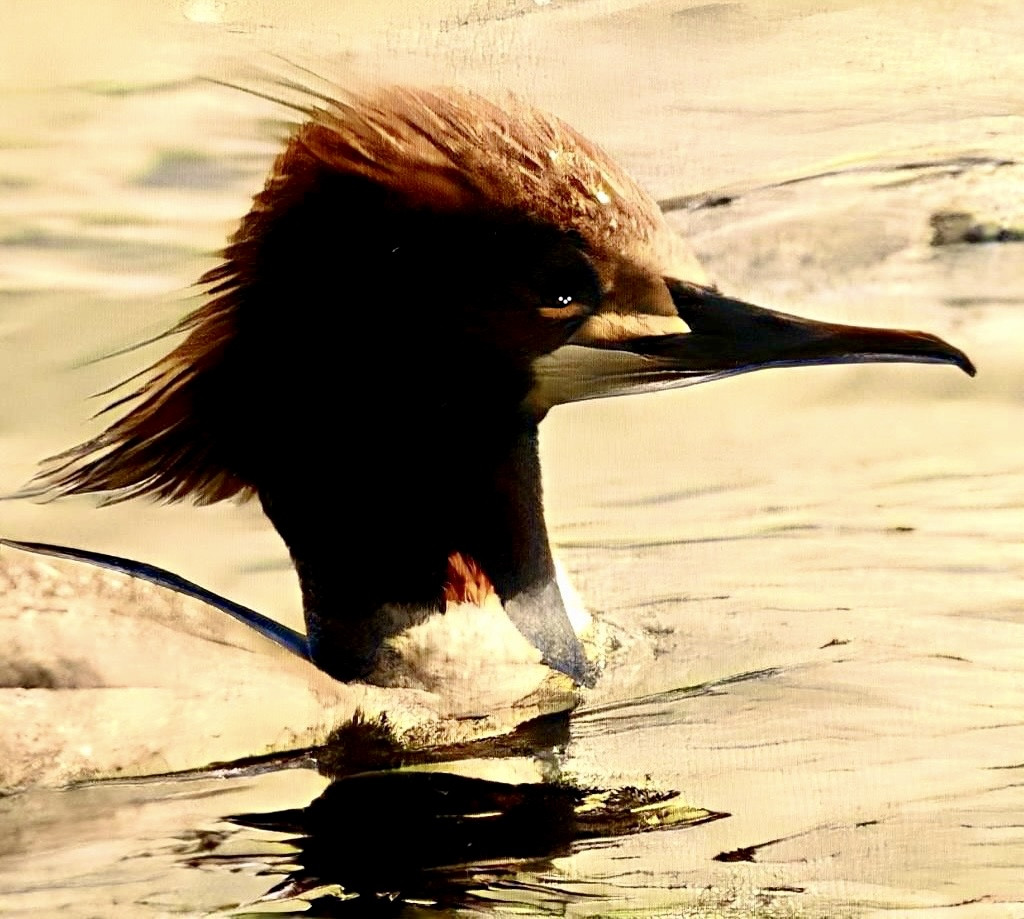
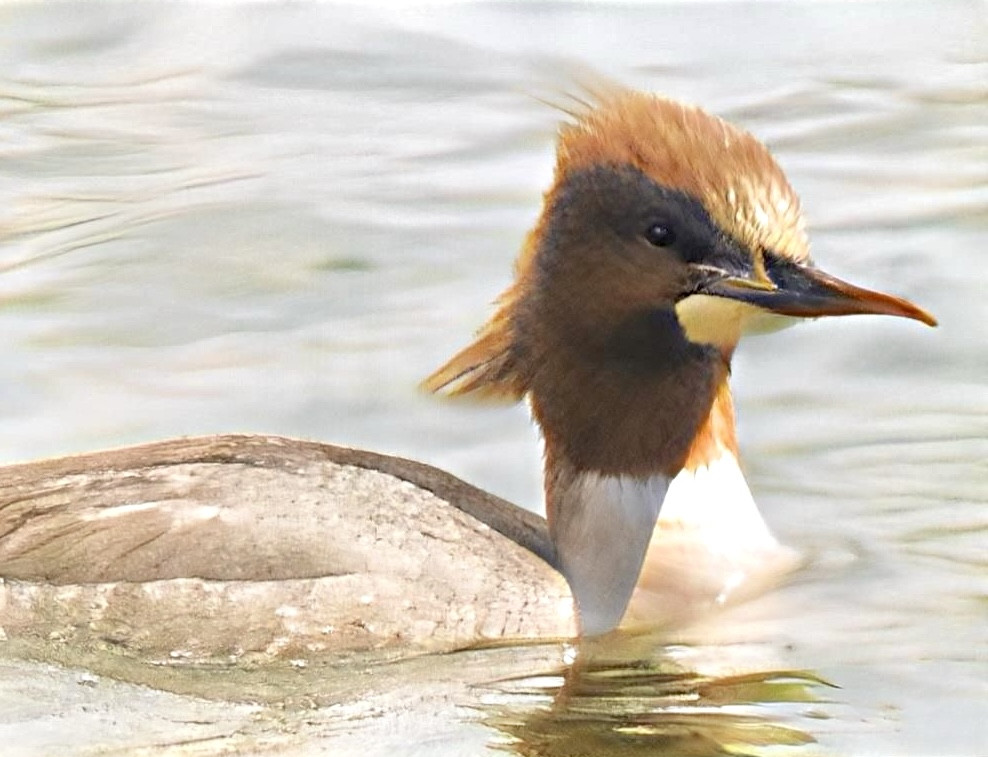
The deep waters around Lake Vättern are ice-free most years. This makes it an excellent wintering area for birds. The lake holds large wintering populations of gulls like Сизая чайка, Серебристая чайка and Морская чайка. This is also one of the best places for the rare Бургомистр, although it is not seen most years. Most gulls winter around Motala. The area also holds wintering waterfowl. Most commonly: Большой крохаль, Лебедь-шипун, Серая цапля, Лебедь-кликун, Хохлатая чернеть and Гоголь. Around Vadstenaviken large amounts (many hundreds) of Кряква winter. Often with other rarer (wintering) dabbling ducks in the mix. The lake also holds wintering populations of Большой баклан, Длинноносый крохаль, Луток (visitors from Boren) Чомга, Малая поганка, and during mild winters: Красношейная поганка, Турпан, Чернозобая гагара and Морянка. The large fields around Vadstena and Norrsten hold wintering geese, Горная чечётка and Пуночка. Many birds of prey also winter. Most common are Перепелятник, and Орлан-белохвост.
During the last weeks of Febuari the first spring birds arrive. Обыкновенный скворец, Полевой жаворонок, Зяблик, and Чибис are usually the first to arrive. Some of the previously mentioned birds might start to winter if the winters continue to be mild. Many geese like Белощекая казарка, Серый гусь, Гуменник, Белолобый гусь Восточный тундровый гусь and Канадская казарка are often seen. Most geese congregate around Tycklingen and Norrsten. Sometimes Короткоклювый гуменник is also found.
During March most of the geese increase in number. More birds of prey arrive: Зимняк, Пустельга обыкновенная, Сапсан, and Красный коршун. In Vadstenaviken large amounts of dabbling ducks often rest. Пеганка (Regular), Озерная чайка, Кулик-сорока, and Бекас also arrive during this period. From this period onwards Большая белая цапля is sometimes seen.
During April other wader along with Коноплянка and Луговой конёк arrive. During April-May large amounts of passerine birds, wader, gulls, and terns use the lake as a landmark for migration. It starts in the middle of April with thousands of Зяблик and Юрок, continuing with thousands of Большой кроншнеп, with smaller amounts of other waders like Средний кроншнеп, Малый веретенник, Турухтан and Травник. Also large amounts of gulls like Озерная чайка and Сизая чайка. In early May hundreds of terns (Речная крачка, Полярная крачка) pass. Along with rarer birds like Чёрная крачка, Моевка (quite rare) and Малая чайка.
During the summer many species of night-active birds can be heard like Обыкновенный сверчок, Обыкновенный соловей, Коростель, Дроздовидная камышевка (vadstena reningsverk), Перепел and sometimes Речной сверчок. Many other warblers can be found during this period. In the cities of Motala and Vadstena city birds like Кольчатая горлица, Обыкновенная зеленушка, Горихвостка-чернушка (missing most winters), Юрок, Сизый голубь, and Славка-черноголовка can be found year round.
Details
Access
Parking can be done at ample places. Some of them are: Tycklingen, Motala, Råssnäsudden, and Vadstena castle. Click on a P in the map to get directions to that area.
Terrain and Habitat
Forest , Wetland , Scattered trees and bushes , Grassland , Valley , Plain , Plateau , Lake , Beach , Mud flats , Agriculture , Reedbeds , River , City/villageConditions
Flat , Hilly , Sandy , Wet , Open landscapeCircular trail
YesIs a telescope useful?
Can be usefulGood birding season
All year roundBest time to visit
WinterRoute
Paved roadDifficulty walking trail
Average walkAccessible by
Foot , Bicycle , CarBirdwatching hide / platform
NoExtra info
Be respectful of the birds. Especially during breeding season.


 ) to insert bird names in your own language. The birdnames will automatically be translated for other users!