Description
In the middle of an urban area, the Douro estuary is an important feeding, resting and shelter area for many species of birds. On the northern bank of the river, opposite to the natural reserve on the southern bank (see the Estuário do Douro birdingplace), there is a small observatory. Different from a classic hide, this observatory is actually a metal structure and a stone bench, facing the river. The observatory, located at the mouth of the Granja stream, provides a good view over the sandbanks, mudflats and islands in front of it and over the river beyond them.
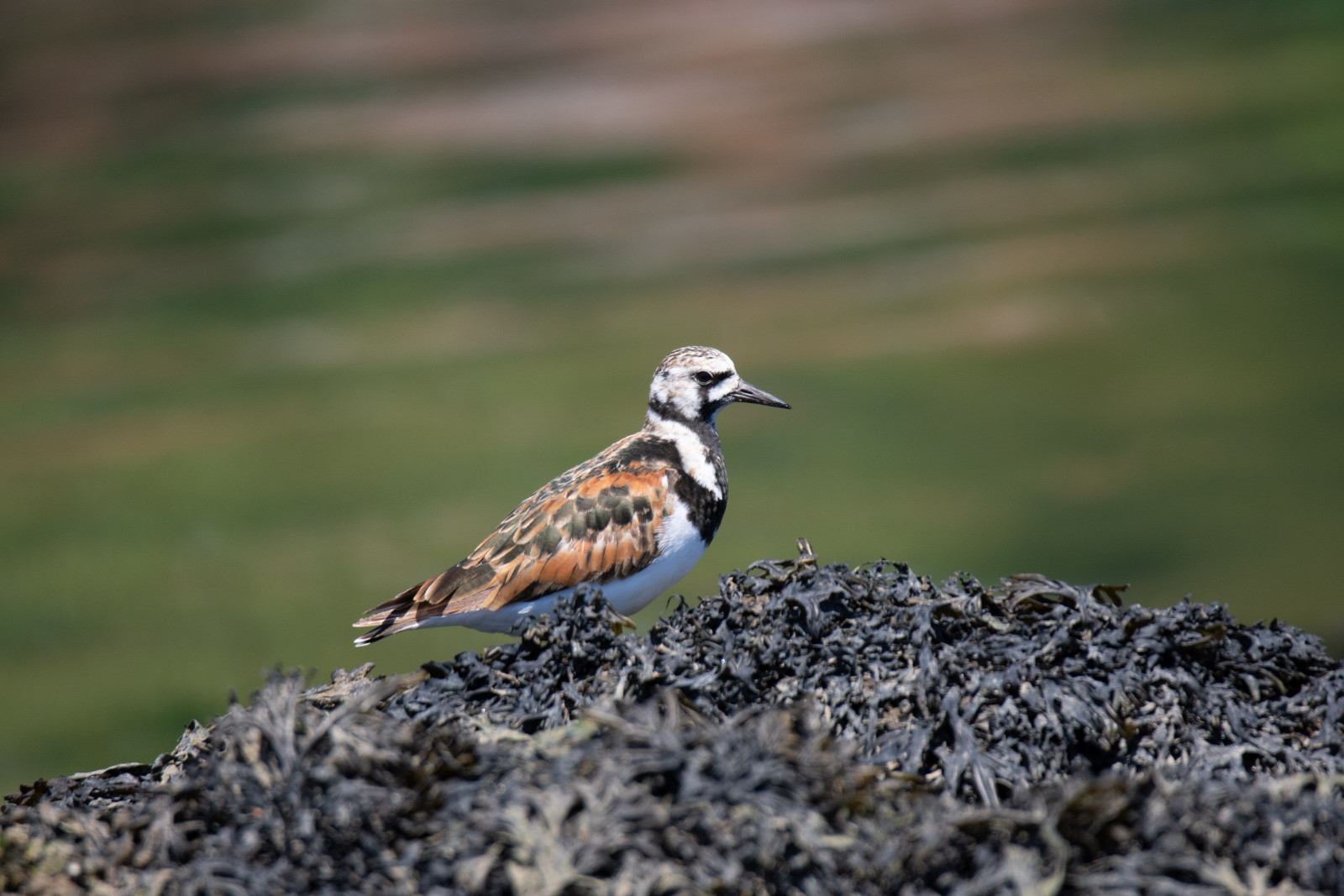
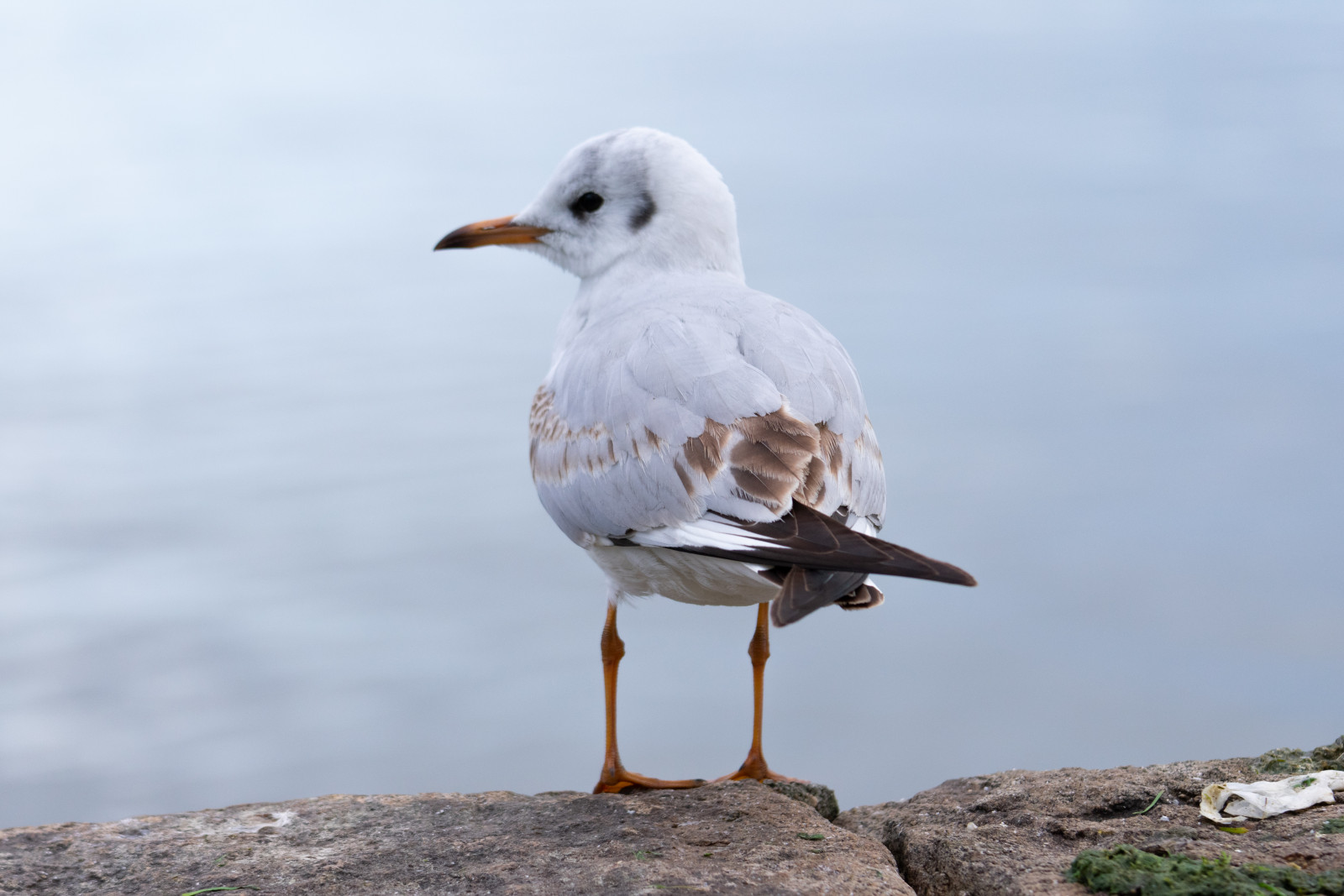
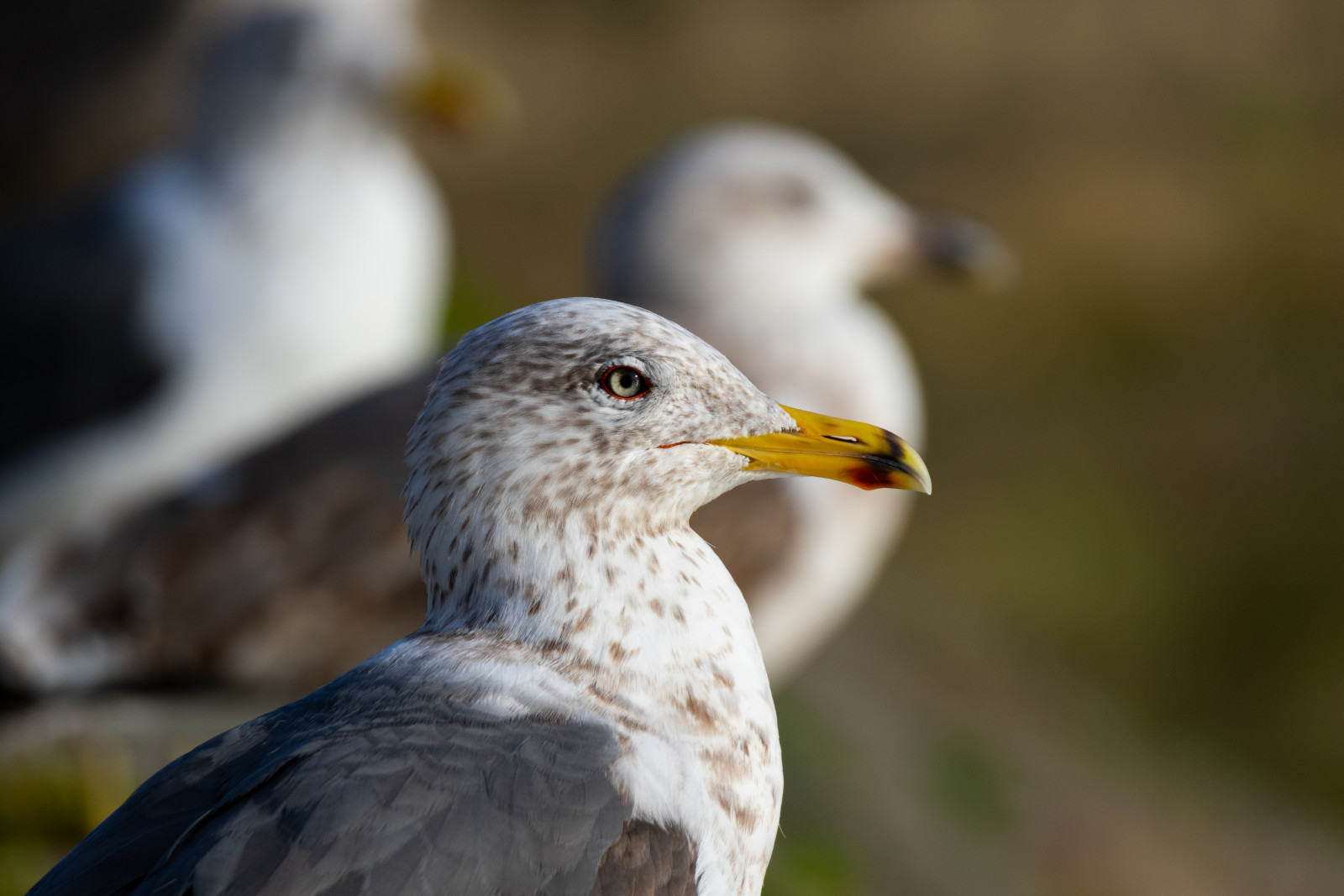
This observatory is particularly interesting during the low tide, when the sandbanks, mudflats and islands attract species like Серая цапля, Малая белая цапля, Большой баклан, Кряква, Галстучник, Песчанка, Камнешарка, Перевозчик and Горная трясогузка. This is also a great place to observe seagulls. The most common species are Средиземноморская чайка, Клуша, Озерная чайка and Черноголовая чайка. However, keep an eye out for less common gulls like Сизая чайка, Делавэрская чайка, Серебристая чайка and Морская чайка. The Обыкновенный зимородок and Малая поганка can also be seen feeding in the water closer to the observatory, while theПестроносая крачка is often observed fishing up and down the river.
Turning your back on the river, the surrounding gardens and trees should also be scouted, as they attract other species. Белая трясогузка, Обыкновенная горихвостка, Черный дрозд and Чёрный скворец can be seen feeding on the grass, while Теньковка, Европейский вьюрок, Обыкновенная зеленушка and Черноголовый щегол can be observed perched in the surrounding trees.
Details
Access
You can reach the area by car, bus, tram or bike. There are a couple of bus and tram stops near the observatory, all named "Fluvial" (bus lines: 207, 500 and 504; tram lines: 1 and 18). If you decide to drive, there is a "free of charge" park across the observatory (on the other side of the Granja stream), between the river and the road.
Start by looking on the river and the islands, mud flats and sandbanks from the observatory. After that, you can walk downstream (westwards) along the riverside until the end of the Calém garden. You can then circle back, walk past the observatory and over the small bridge. Walk close to the water and take a good look at the sandbank immediately east of the parking lot. This concludes the visit.
Terrain and Habitat
Wetland , River , Mud flats , City/villageConditions
Wet , Rocky , Open landscapeCircular trail
NoIs a telescope useful?
Can be usefulGood birding season
All year roundBest time to visit
WinterRoute
Paved road , Wide pathDifficulty walking trail
EasyAccessible by
Foot , Bicycle , WheelchairBirdwatching hide / platform
YesExtra info
This observatory is particularly interesting during the low tide, so check the tides table by clicking on the link below.


 ) to insert bird names in your own language. The birdnames will automatically be translated for other users!