

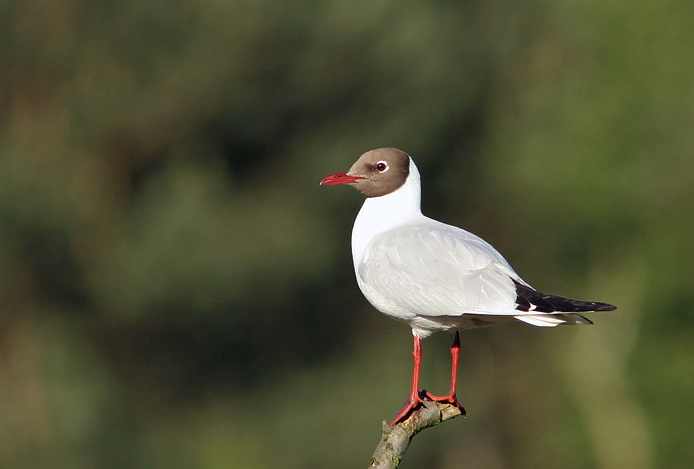
Description
Observatoire de Nostang is a wetland that is home to Тростниковая овсянка, Домовый воробей, Соловьиная широкохвостка, and with a lot of luck you might see Усатая синица or Болотный лунь. In front of the observatory, there is an expanse of salt water which welcomes waterfowl, Обыкновенный зимородок, Пеганка and gulls at high tide, and at low tide Большой кроншнеп, Средний кроншнеп, Чернозобик, and other shorebirds. See a link to the tides table below.
_________________________
Français: Il y a un marais qui abrite des Тростниковая овсянка, des Домовый воробей, des Соловьиная широкохвостка, et avec beaucoup de chance , vous pourrez y voir des Усатая синица ou des Болотный лунь. C'est un petit observatoire qui donne sur un marais et sur la Ria d'Etel, accueillant à marée basse les limicoles, à marée haute les anatidés et Laridés. Devant l'observatoire, c'est une étendu d'eau salée qui accueille des anatidés , des Обыкновенный зимородок, des Пеганка et des laridés à marée haute, et à marée basse des Большой кроншнеп, Средний кроншнеп, Чернозобик et d'autres limicoles.
Details
Access
Access to the observatory is via Le Cosquer, a hamlet in Nostang. There is a small car park. You can also arrive from the other side, via Keriuhelo or Larmor, but that side has no observatory. On the other hand, you are closer to the reed bed and the marsh, which can be interesting for certain species.
_________________________
Français: On accéde à l'observatoire par le Cosquer, un hameau de Nostang, et il y a un petit parking. On peut aussi arriver par l'autre côté, par Keriuhelo ou Larmor, mais on ne bénificie pas de l'observatoire. Par contre, on est plus proche de la roselière et du marais, ce qui peut être interressant pour certaines espèces.


 ) to insert bird names in your own language. The birdnames will automatically be translated for other users!