Description
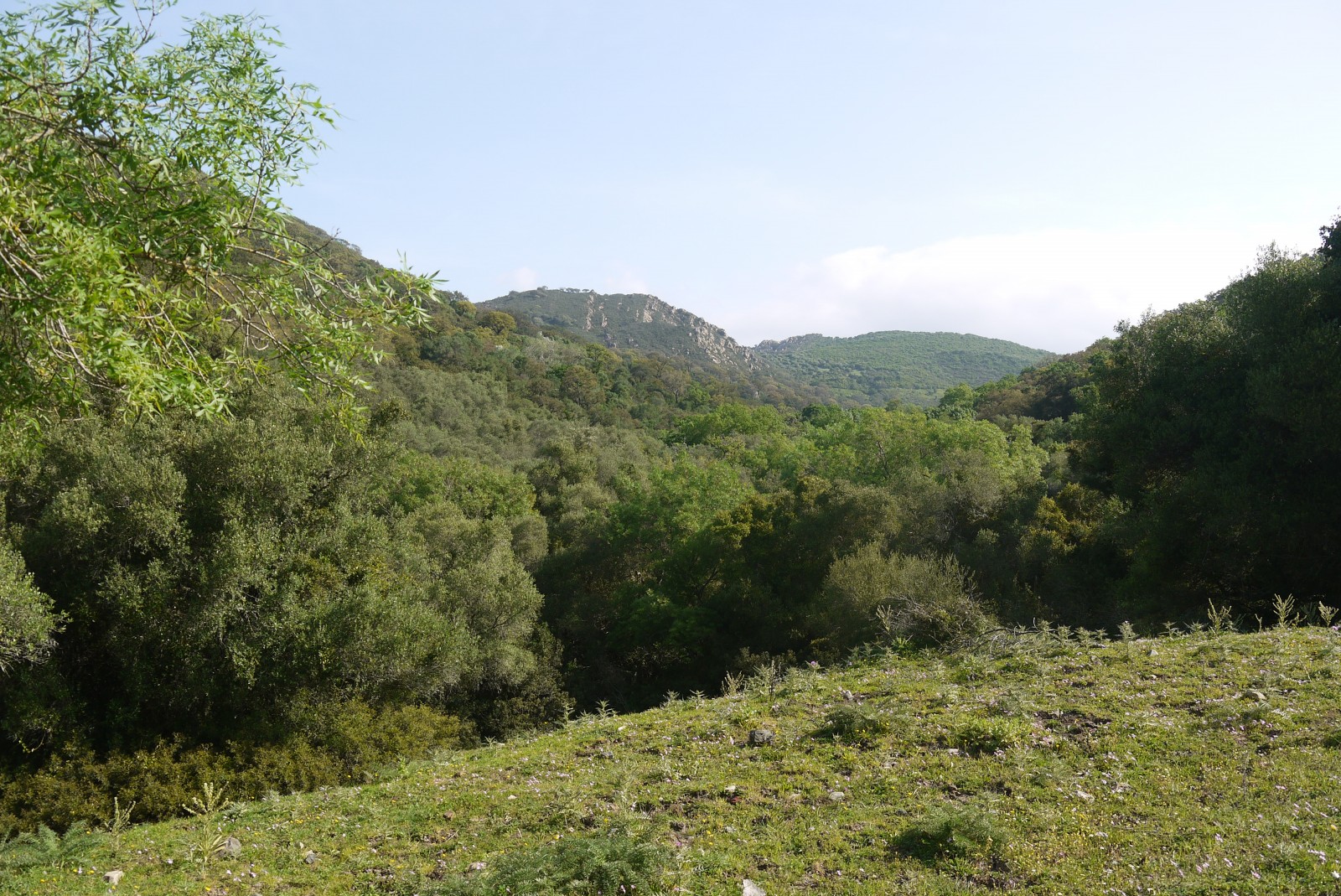
This site offers the option of two circular walks. One of 2-3 km and other (Sendero El Palancar) of c8km. The longer circuit takes you along the edge of a large reservoir (Embalse de Charco Redondo) but you should see most of the birds the area has to offer on the shorter walk. Both routes snake through woodland and open areas. The woodlands hold Pitulice iberică, Pitulice de munte and Pițigoi moțat, open woodland areas have Presură bărboasă and Ciocârlie de pădure and the low scrub a veriety of ‘Sylvia’ warblers such as Silvie de câmp, Silvie mediteraneană and Silvie de tufiș. At the start of the walk you have a good view to the south across the main road as it passes over the Puerta de Valdespera. This makes it a good location to watch the movement of raptors in spring and autumn when Acvilă mică, Gaie neagră, Viespar and the odd Hoitar (plus Barză neagră) pass through. Vultur sur, Șerpar, Uliu păsărar and Șorecar comun frequently appear but you need a good deal of luck to spot Acvilă porumbacă or Uliu porumbar here although both are possible. The reservoir may also attract passing Uligan pescar. During passage periods expect Prigorie and pretty much any small passerine migrant.
Details
Access
Take Exit 70 on the A 381 Algeciras - Seville road and then head along the service road under the main road southwards for c2 km. The sendero is signposted to your right at the top of a long slope. Park and follow the paths.
Terrain and Habitat
Forest , Lake , Scattered trees and bushes , Moors/heathlandConditions
Hilly , Rocky , Open landscapeCircular trail
YesIs a telescope useful?
Can be usefulGood birding season
Spring , AutumnBest time to visit
SpringRoute
Unpaved road , Narrow trailDifficulty walking trail
Average walkAccessible by
FootBirdwatching hide / platform
NoExtra info
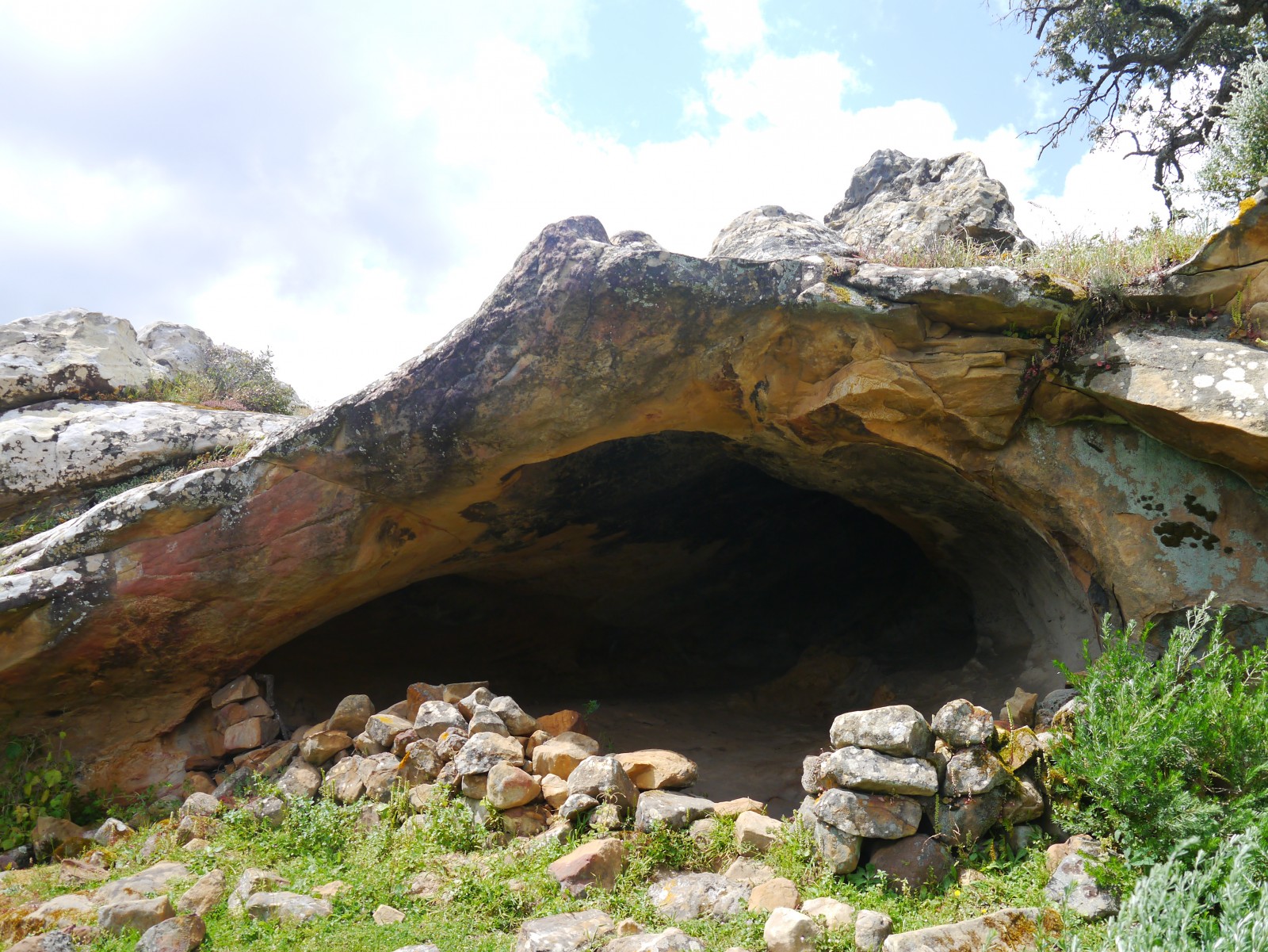
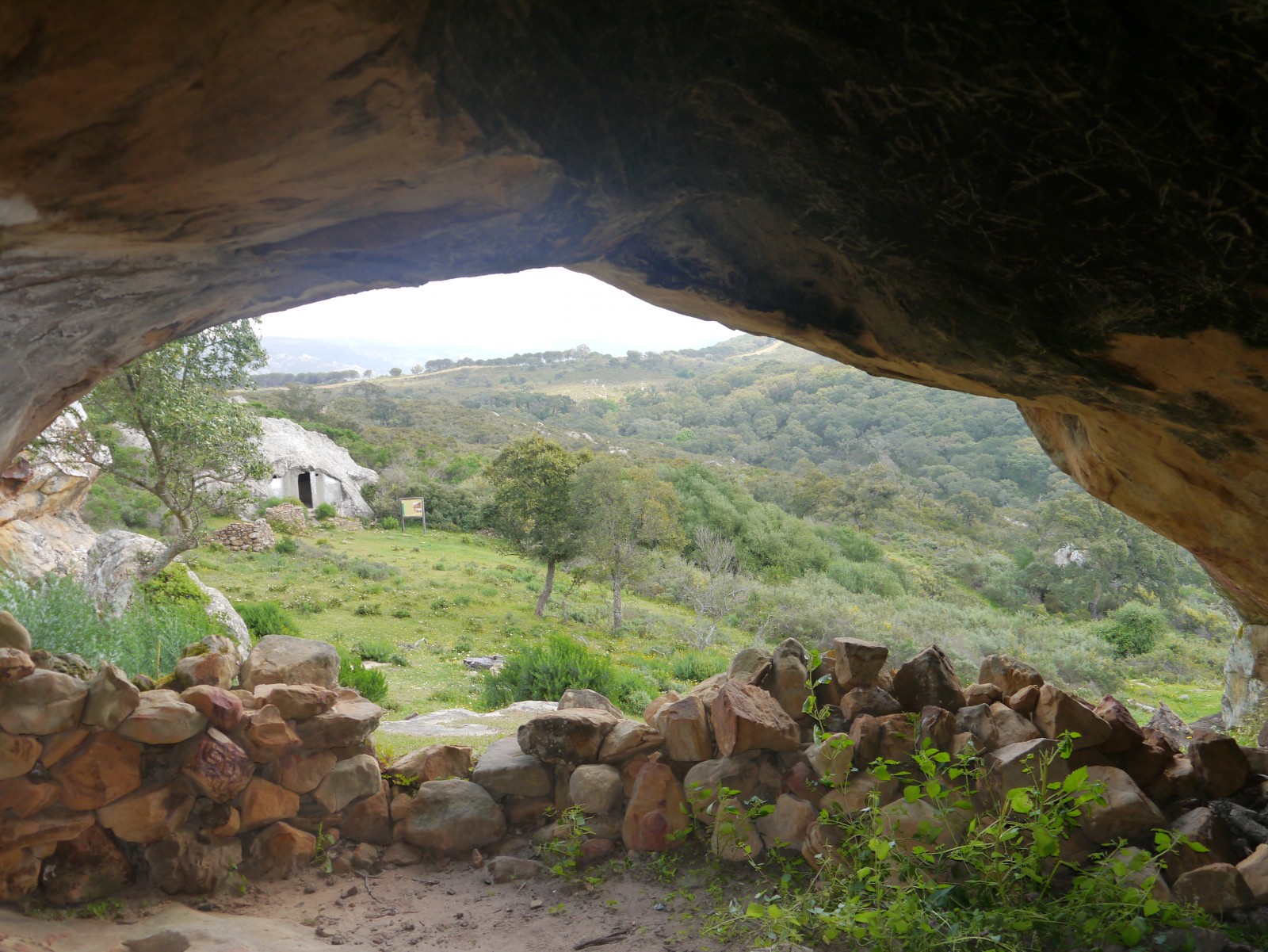
As noted above for the less energetic the shorter should produce most of the birds but walking along the reservoir may give you a chance of Uligan pescar. On the shorter walk look out en route for a couple of ancient cave shelters (in later years the haunt of charcoal burners and, allegedly, a refuge of bandits and brigands).


 ) to insert bird names in your own language. The birdnames will automatically be translated for other users!