Description
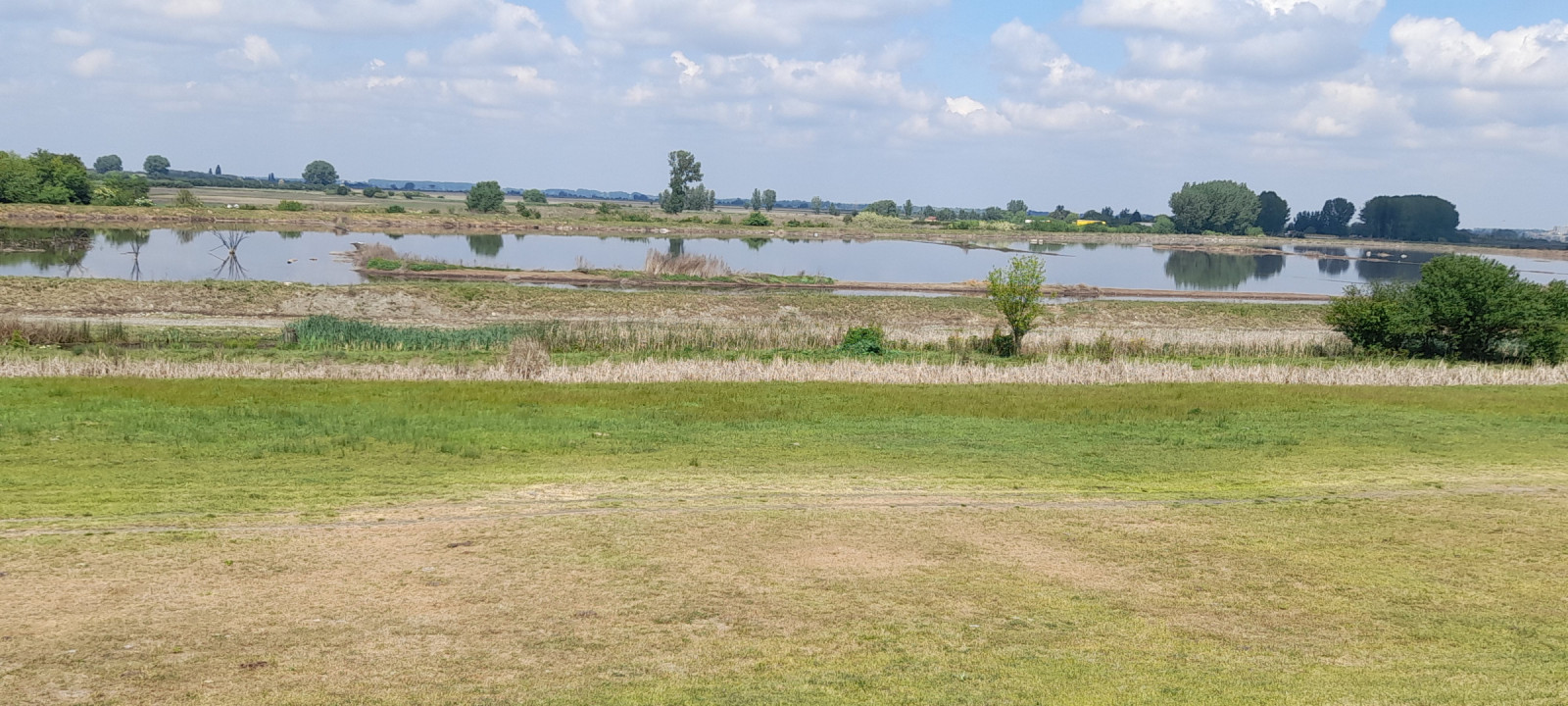
While the sugar plant between Kovin and the Danube, about 50 km east of Belgrade, is closed, the triangular ponds are nowadays filled up by the pet food factory effluents, and can be quite smelly. Yet, being next to the Danube floodzone, the area is rich in wildlife and has more natural feel about it.
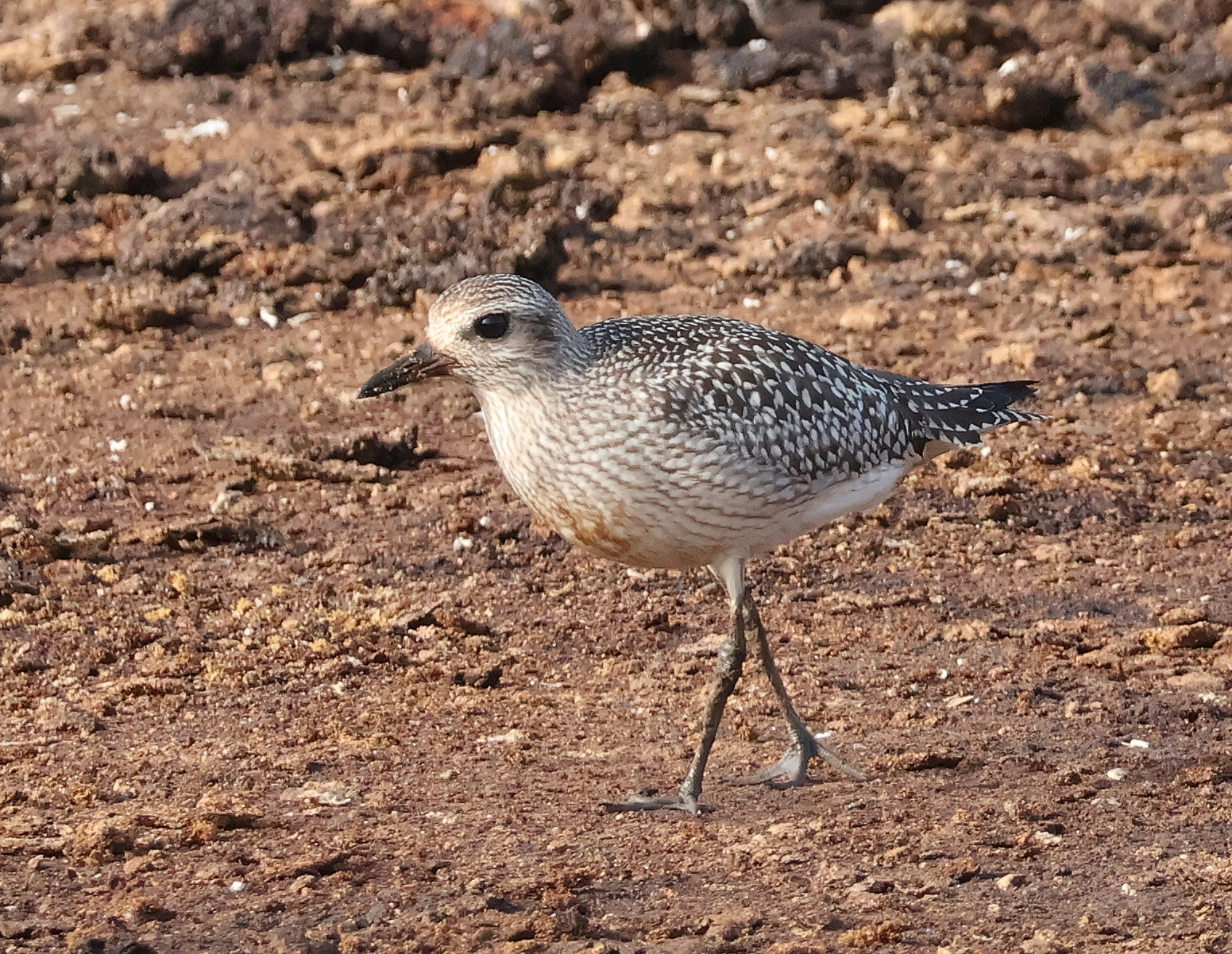
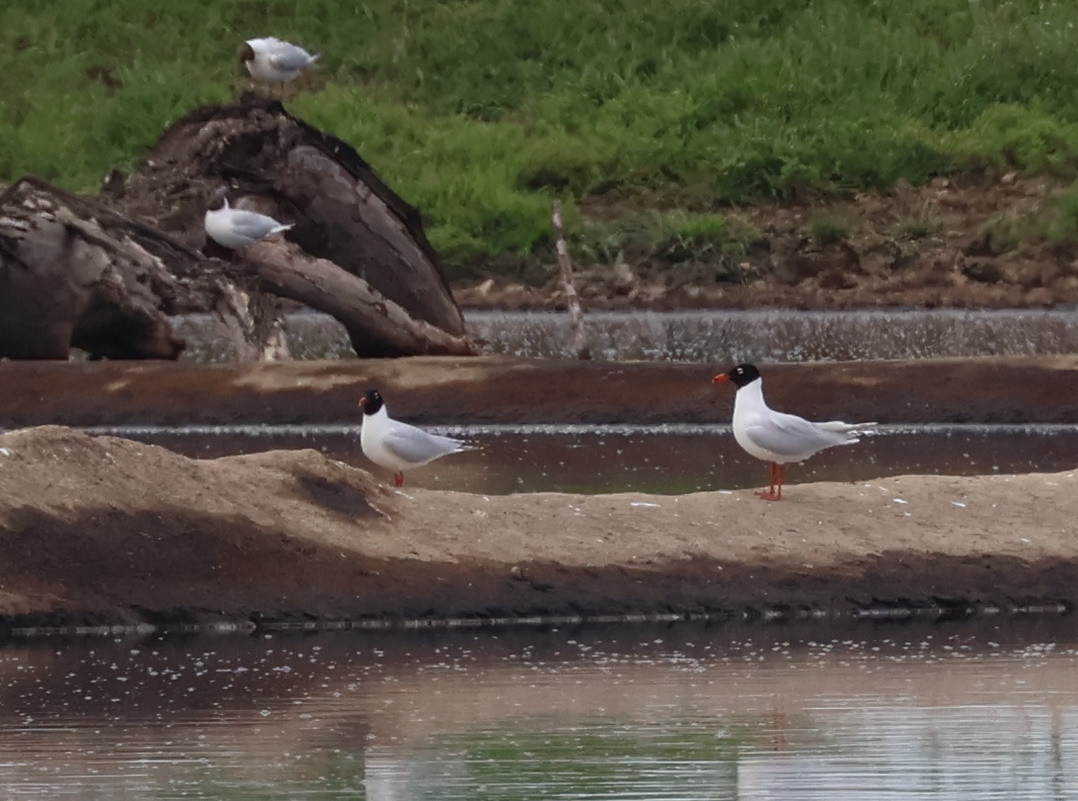
Local waders include Fugaci roșcat, Prundăraș gulerat mic, Piciorong, Ciocîntors, Scoicar (rare so deep in the continent), Ploier argintiu, Nagâț, Prundăraș gulerat mare, Pietruș (rare so deep in the continent), Bătăuș, Fugaci de țărm, Fugaci mic, Becațină comună, Fluierar de munte, Fluierar de zăvoi, Fluierar cu picioare verzi, Fluierar de mlaștină, Fluierar cu picioare roșii. Among the breeding Pescăruș râzător, there are few pairs of Pescăruș cu cap negru. Due to the closeness of the river Danube, terns on migration are diverse: Chiră mică, Pescăriță râzătoare, Pescăriță mare, Chirighiță neagră, Chirighiță cu aripi albe and, in the breeding season, Chirighiță cu obraz alb.
Other species include Stârc de cireadă and Stârc galben, Viespar, Ciocănitoare de grădini, Ghionoaie verde, Ciocănitoare neagră, Sfrâncioc roșiatic, Sfrâncioc cu frunte neagră (uncommon), Frunzăriță cenușie, Frunzăriță galbenă, Lăcar mic, Lăcar de mlaștină and Lăcar mare.
Photo (2) by Aleksandar Urosevic
Details
Access
While an asphalt road passes next to the pond, the turn-off is somewhat unusual and I marked it as a route on the map. If you reach the ponds by car, park at the beginning of the route (driving along the levee is prohibited and the barrier is often closed and locked). For driving directions, zoom in on the map and click on the "P" (parking) sign.




 ) to insert bird names in your own language. The birdnames will automatically be translated for other users!