
Description
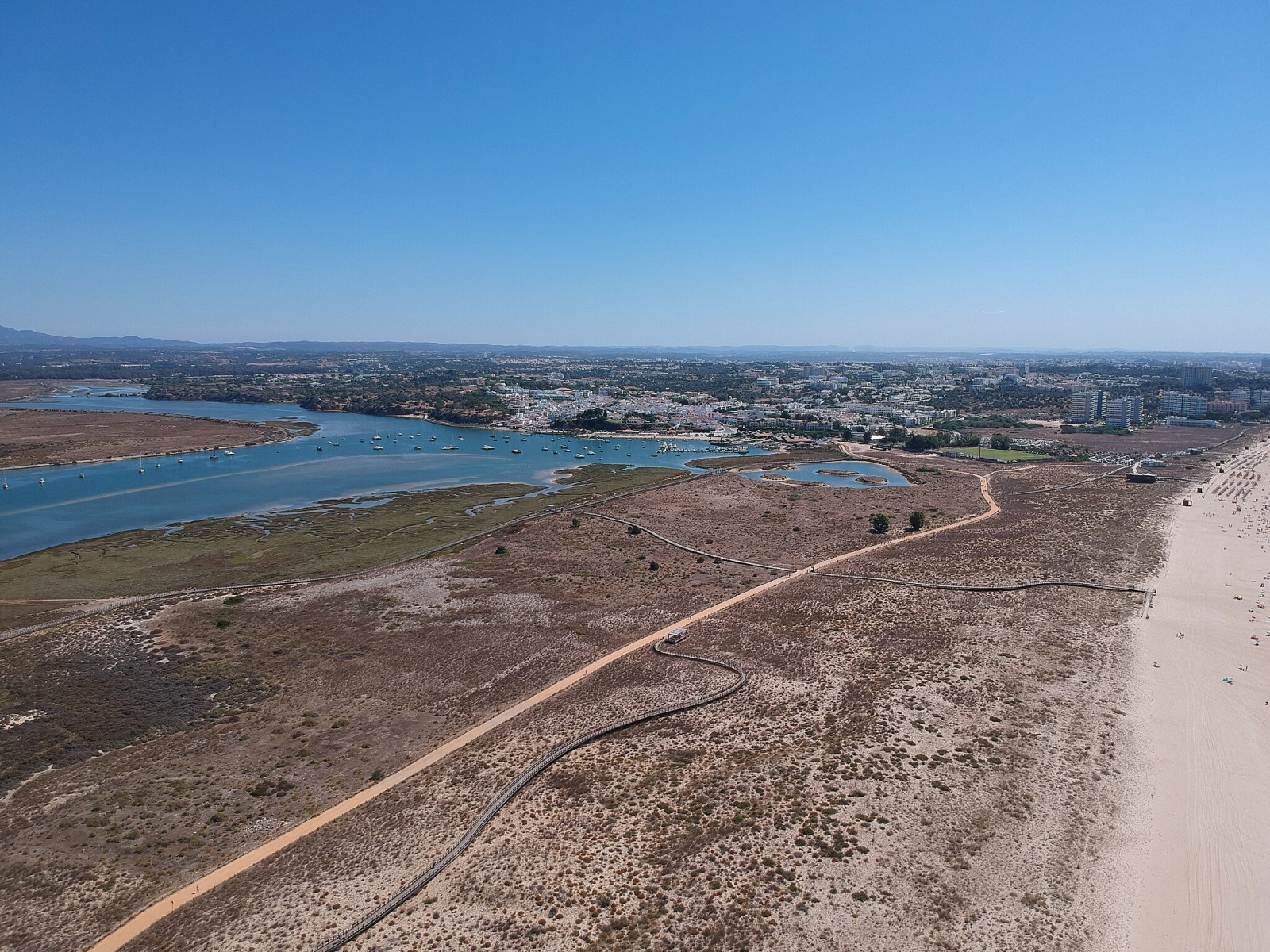
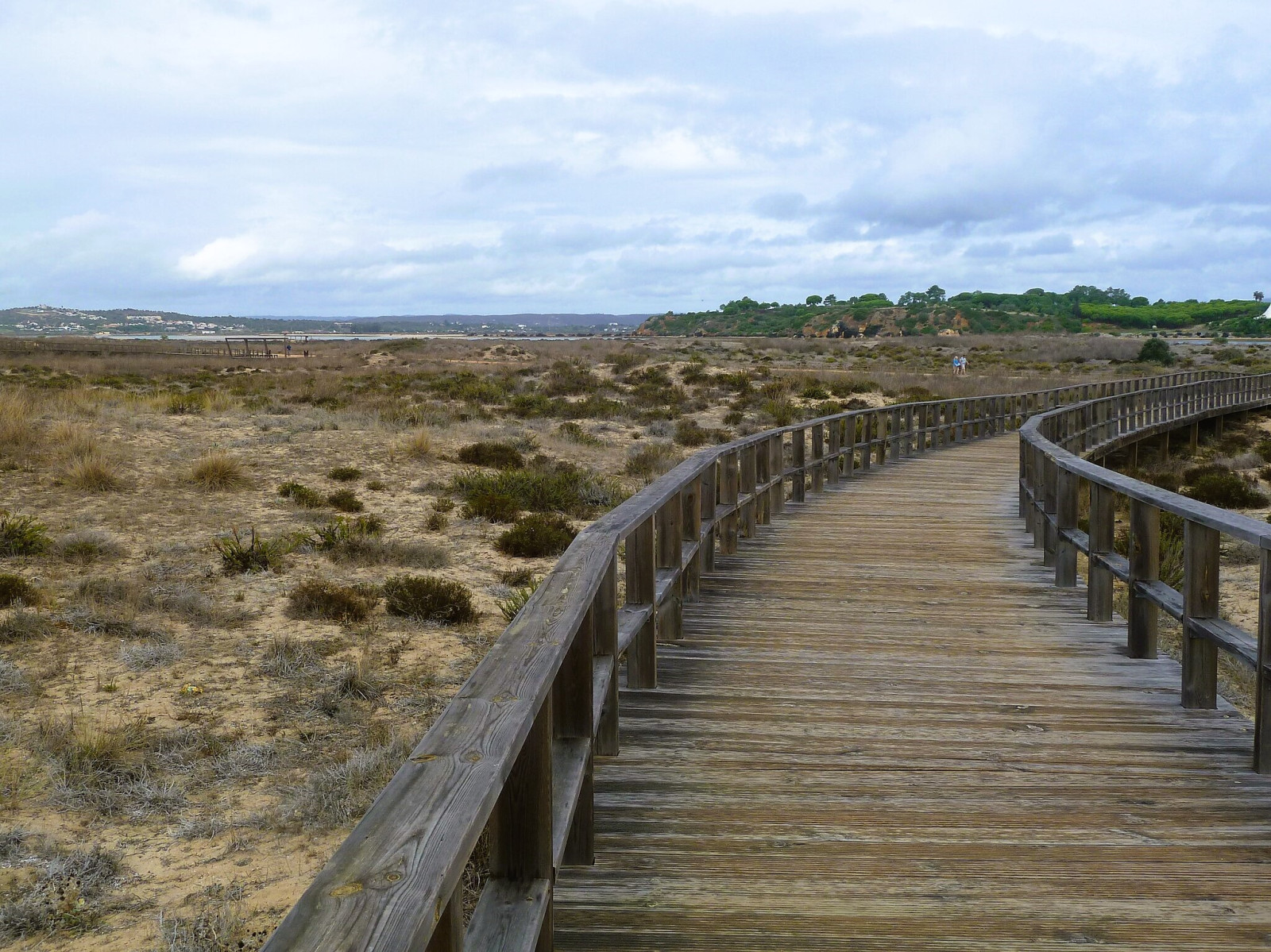
The Alvor Estuary is a staging area for wintering and migrant waterbirds. The Ria de Alvor is limited by the ocean and by an extensive dune system; surrounding the central neck of land, four different freshwater streams feed the shallow Alvor lagoon, as well as numerous salt pans, mudflats, sandbanks, and marshy areas. An extensive boardwalk crosses salt marshes, a vast dune system, and Alvor Beach, offering opportunities to observe sea and shorebirds.
All seasons offer good birding opportunities; however, there’s a lower number of birds and bird species between July and August. Waders are best seen at high tide (see the link to the tide table below) as they tend to congregate in only a few places. Note that it can be busy with people and if people are collectoring shells on the mudflats, you won't see many birds.
Among the birds you can observe are Stârc de cireadă, Piciorong, Prundăraș de sărătură, Chiră mică, Flamingo roz, Lopătar, Coțofană cu aripi albastre, Rândunică roșcată and Pescăruș mediteranean. The Pescăriță mare winters in the estuary between late summer and March-April. Uligan pescar is a also wintering species with some records during spring and summer. Other wintering birds are Gușă vânătă, Fâsă de luncă and Ciuf de câmp. Gaie cenușie is a resident that breeds in the area.
Details
Access
The boardwalk starts just south of the town of Alvor. There are several parking lots. Press a P on the map for directions. If the birding is good it takes at least 2 to 3 hours to complete the 5 km walk. On warmer days take plenty of water, since there are no bars or cafés at the end of the walkway.


 (003).jpg)
 ) to insert bird names in your own language. The birdnames will automatically be translated for other users!