Description
The Reindersmeer is located in the northern part of the Province of Limburg and lies between the Maas river to the West and the German border to the East. The area consists of two old sand extraction pits which, nowadays, are connected by water. A walking trails leads you around both pits and the landscape varies from heathland to deciduous forests and sand dunes.
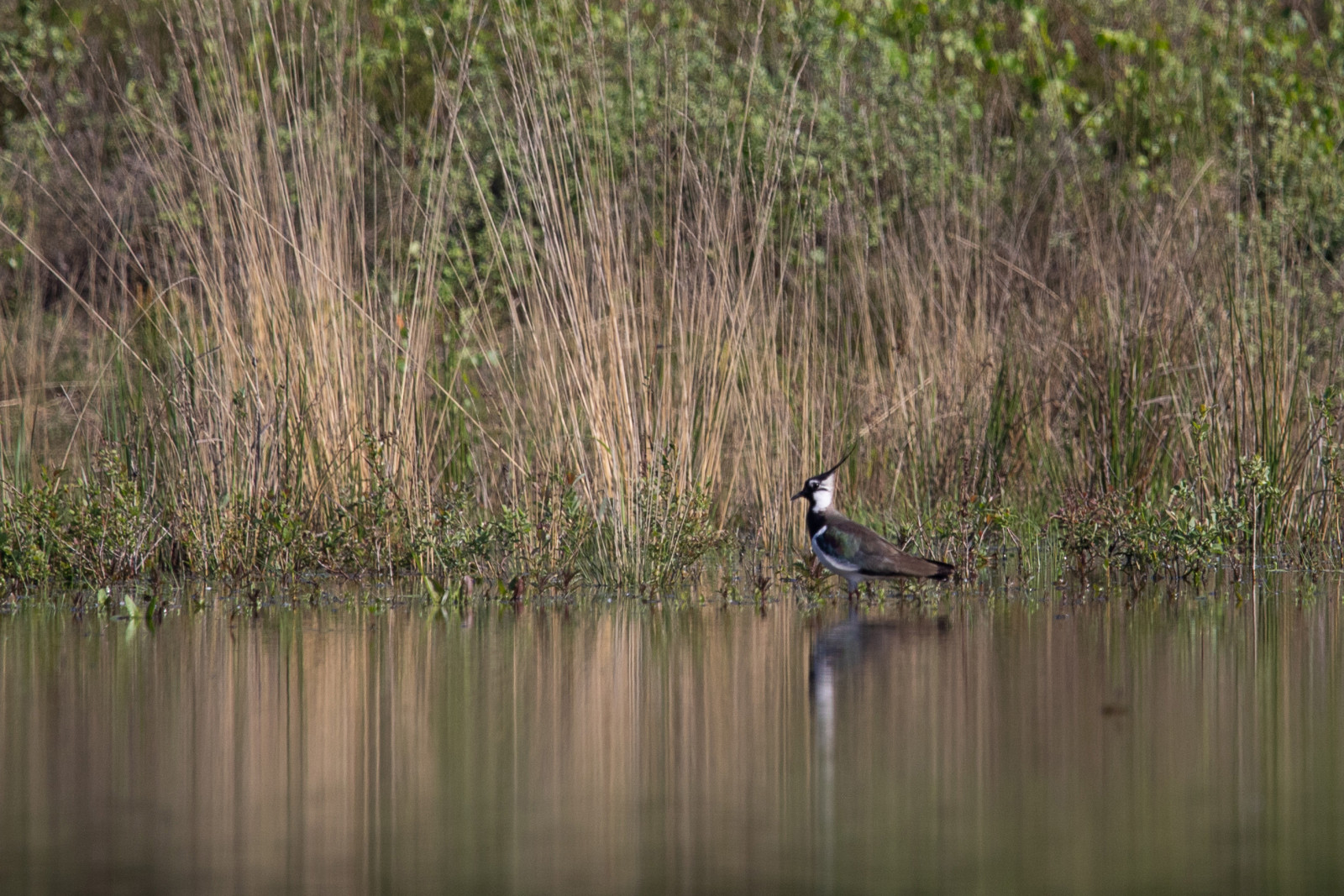
The lake doesn't often provide large numbers of waterbirds, but the species that can be observed here are great! Small numbers of Corcodel cu gât negru can be seen mainly in the northwestern part of the lake, sometimes even in summer plumage. In the center of the lakes, Rață sunătoare can be seen diving for food. Other diving ducks, like Rață cu cap castaniu en Rață moțată can be seen in fairly large numbers sometimes. Corcodel mic can be seen near the shoreline. The area is often visited by scarcer species of waterbird, like Rață neagră , Rață cu ciuf, Rață cu cap negru, Rață de ghețuri and Ferestraș mic.
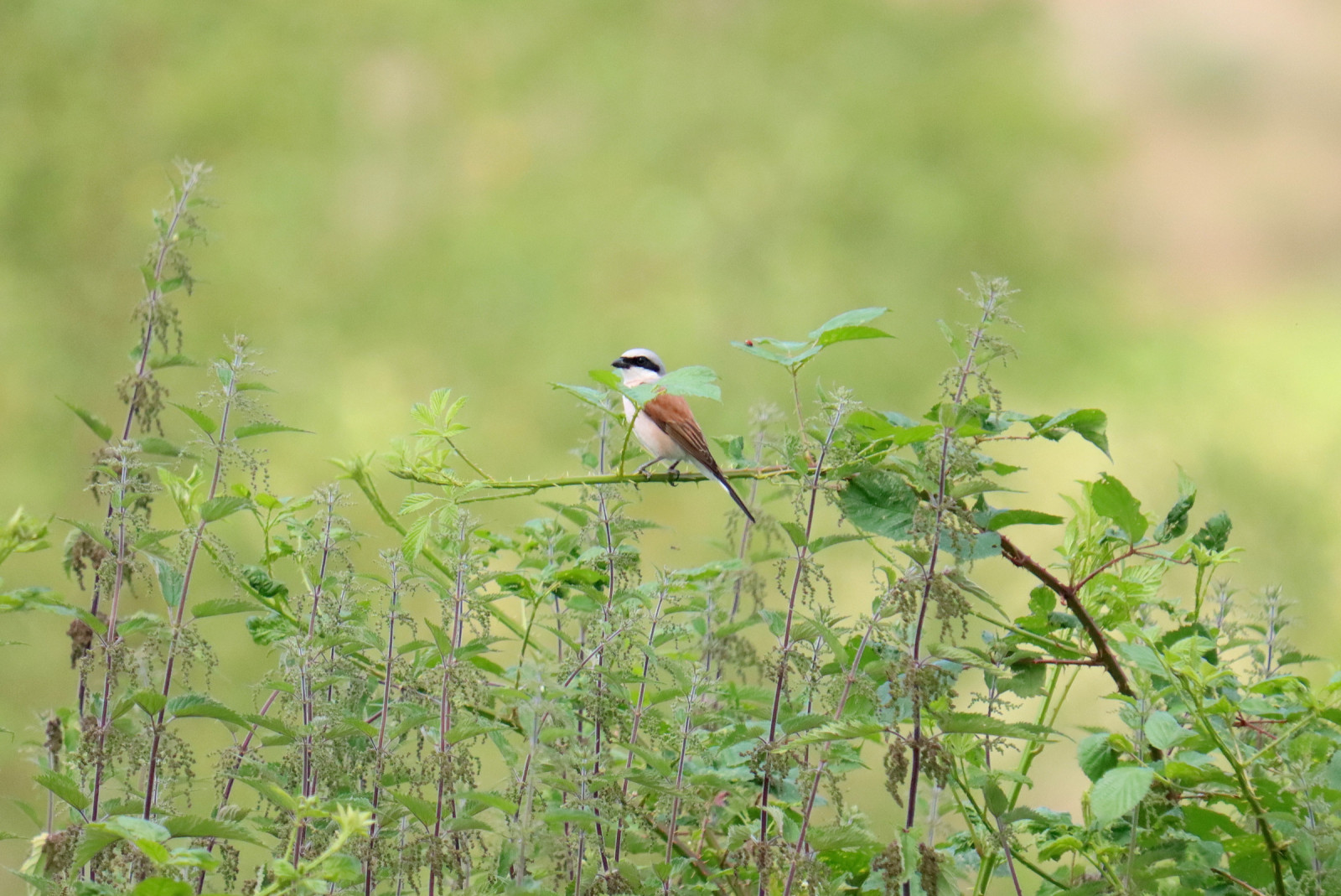
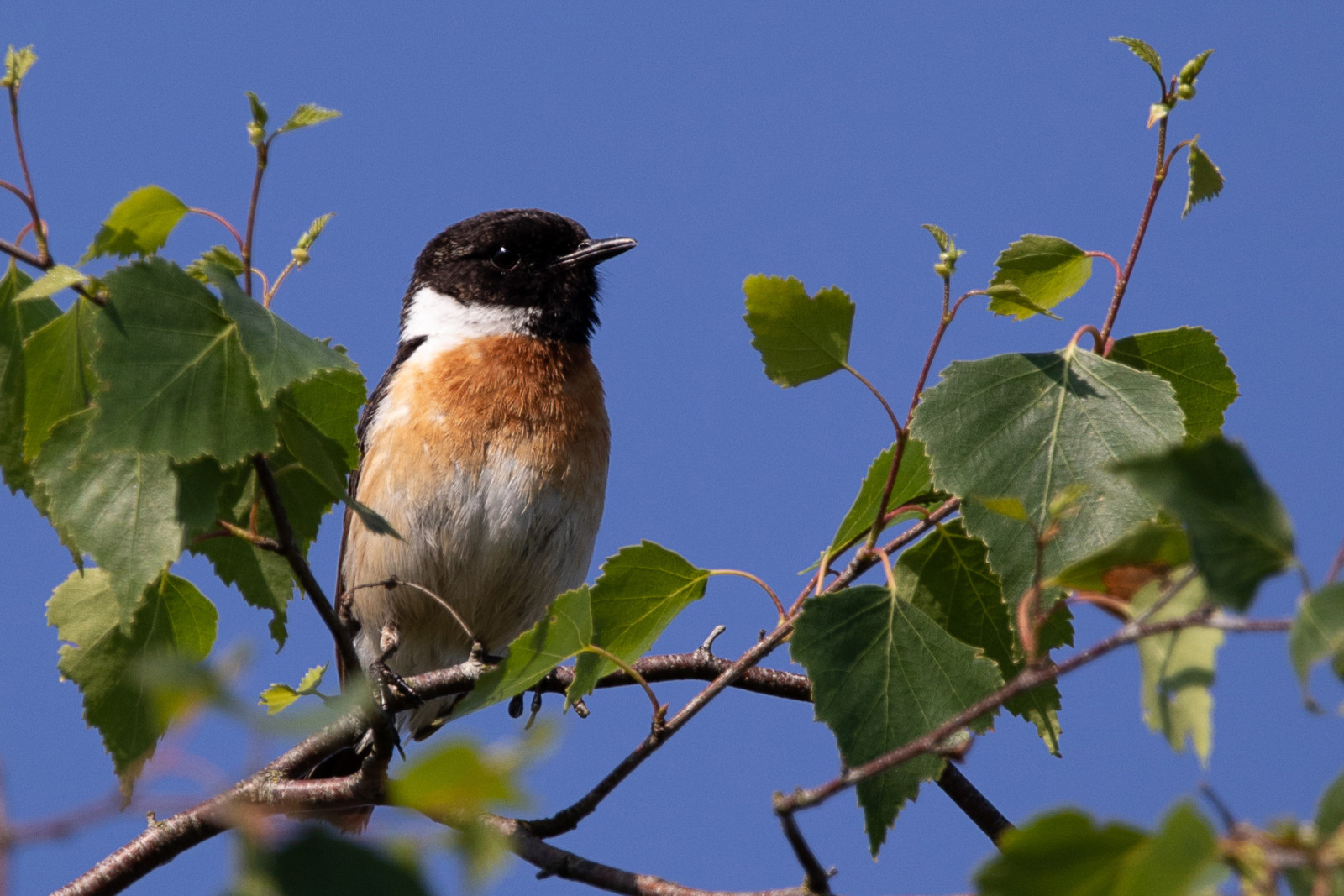
During migration, the lake also attracts rare migrating species, like Pescăruș mic, Chirighiță neagră, Chirighiță cu aripi albe and Chirighiță cu obraz alb. Several small islands are located near the shore and are mostly covered in reedbeds and small bushes. These islands are home to many species of reedbirds, like Gușă vânătă, Presură de stuf and Lăcar de stuf. Frunzăriță galbenă and Privighetoare roșcată can be heard from the bushes as well. The small heathlands and adjacent deciduous forests provide a great habitat for species, like Mărăcinar negru, Mărăcinar mare, Ciocârlie de pădure and, in winter, Sfrâncioc mare. The forests are great for many species of songbird and woodpeckers, like Mugurar, Pițigoi moțat and Ciocănitoare neagră.
_________________________
Nederlands: Het Reindersmeer is een groot meer gelegen tussen de Maas en de Duitse grens en biedt een ideaal leefgebied voor vele vogelsoorten. Het gebied bestaat uit twee oude zandwinputten die tegenwoordig door water met elkaar zijn verbonden. Een wandelpad leidt je rond beide putten en het landschap varieert van heide tot loofbossen en zandduinen.
Het meer levert niet vaak grote aantallen watervogels op, maar de soorten die hier te zien zijn zijn geweldig! Kleine aantallen Corcodel cu gât negru zijn vooral te zien in het noordwestelijke deel van het meer, soms zelfs in zomerkleed. In het midden van de meren kun je Rață sunătoare zien duiken naar voedsel. Andere duikeenden, zoals Rață cu cap castaniu en Rață moțată, zijn soms in vrij grote aantallen te zien. Corcodel mic is te zien nabij de oevers. Het gebied wordt vaak bezocht door zeldzamere watervogelsoorten, zoals Rață neagră , Rață cu ciuf, Rață cu cap negru, Rață de ghețuri en Ferestraș mic.
Tijdens de trek trekt het meer ook zeldzame migrerende soorten aan, zoals Pescăruș mic, Chirighiță neagră, Chirighiță cu aripi albe en Chirighiță cu obraz alb. Verschillende kleine eilanden liggen dichtbij de oevers en zijn meestal bedekt met rietvelden en kleine struiken. Deze eilanden herbergen vele soorten rietvogels, zoals Gușă vânătă, Presură de stuf en Lăcar de stuf. Frunzăriță galbenă en Privighetoare roșcată zijn ook te horen vanuit de struiken. De kleine heidevelden en aangrenzende loofbossen bieden een habitat voor soorten als Mărăcinar negru, Mărăcinar mare, Ciocârlie de pădure en, in de winter, Sfrâncioc mare. De bossen zijn geweldig voor vele soorten zangvogels en spechten, zoals Mugurar, Pițigoi moțat en Ciocănitoare neagră.
Details
Access
The area is easy accessable from the parking lot near the visitors center. You can walk around both lakes or take the shortcut about halfway by taking the small raft.
_________________________
Nederlands: Het gebied is gemakkelijk te bereiken vanaf de parkeerplaats bij het bezoekerscentrum. Je kunt rond beide meren lopen of halverwege de kortere weg nemen door het kleine vlot te nemen.


 ) to insert bird names in your own language. The birdnames will automatically be translated for other users!