Description
Mooswald and Mooswaldseen consist of the old (eastern) and the new (western) lake Mooswaldsee, a few other quarry lakes, a birch forest, reed areas and it borders directly on the meadow areas of the Leipheimer Moos (also described on Birdingplaces). Many exciting bird species live here in a very small area. In the forest you can regularly observe 7 native species of woodpeckers (Ciocănitoare pestriță mare, Ciocănitoare de stejar, Ciocănitoare pestriță mică, Ghionoaie verde, Ghionoaie sură, Ciocănitoare neagră, Capîntortură), plus lots of songbirds like Grangur and Muscar gulerat, but also larger birds like Corb and Cuc.
A Pescăruș râzător colony is located at the old Mooswaldsee, but bigger gulls like Pescăruș cu picioare galbene are also usually there. You can easily observe them from a small observation hide. In addition, an escaped Chilean flamingo has been seen here again and again for several years. At the new Mooswaldsee there is an observation tower with a free telescope attached, through which you can observe various species of ducks and geese. Waders like Prundăraș gulerat mic, Bătăuș and Fluierar de zăvoi are also not uncommon there.
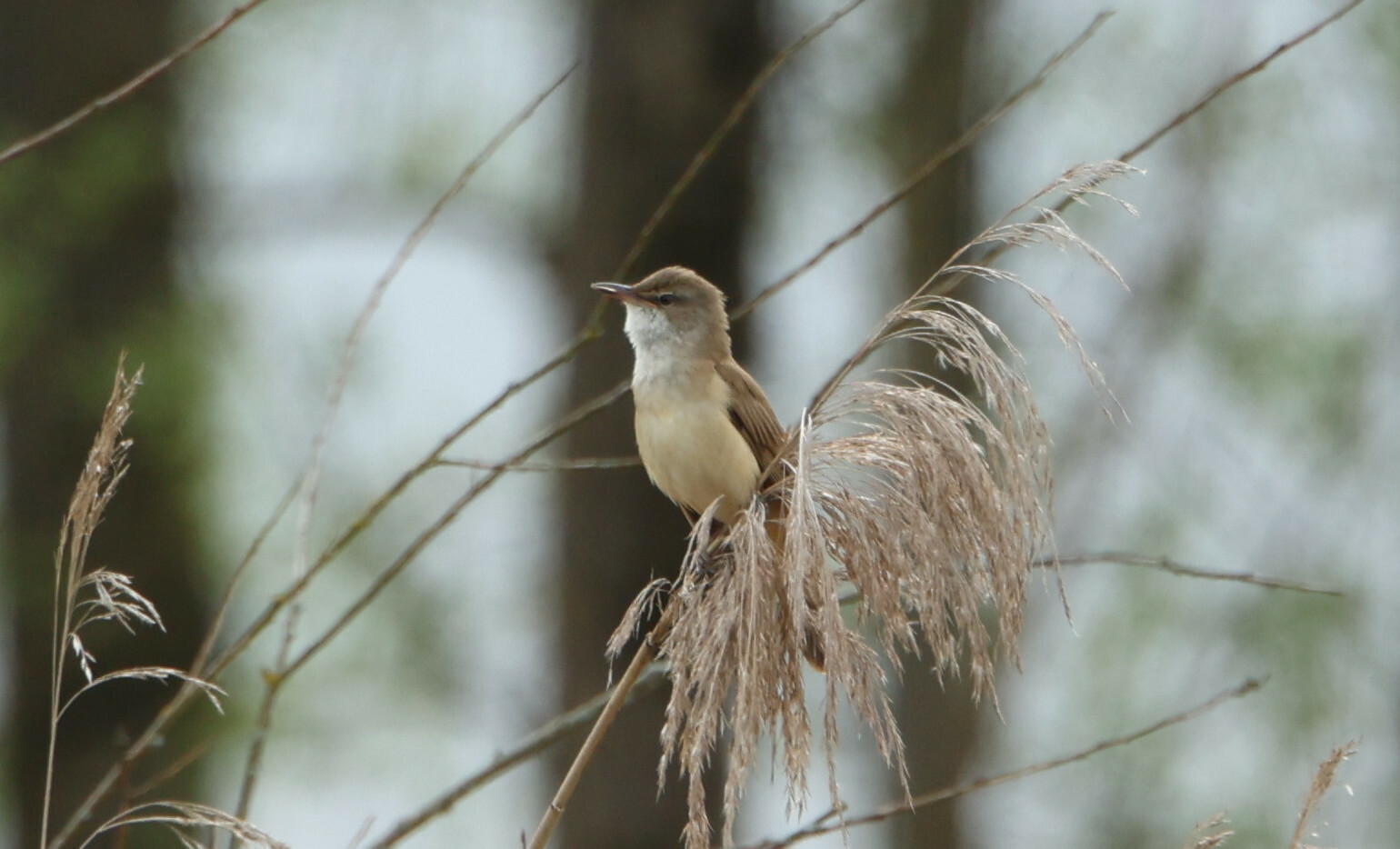
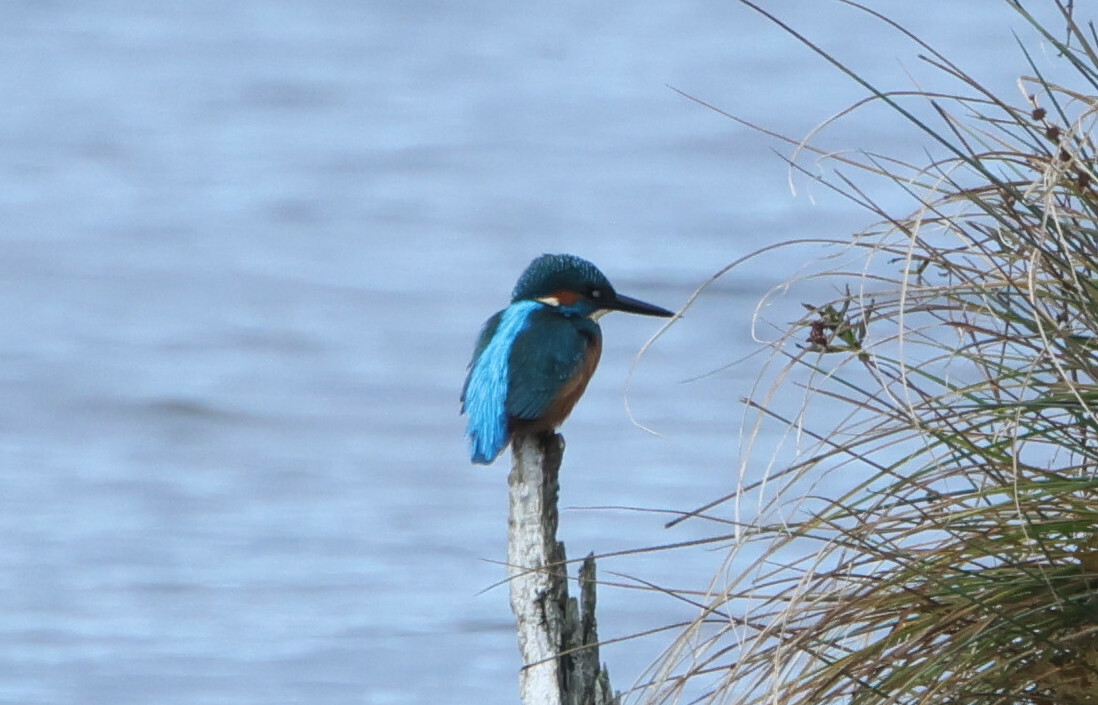
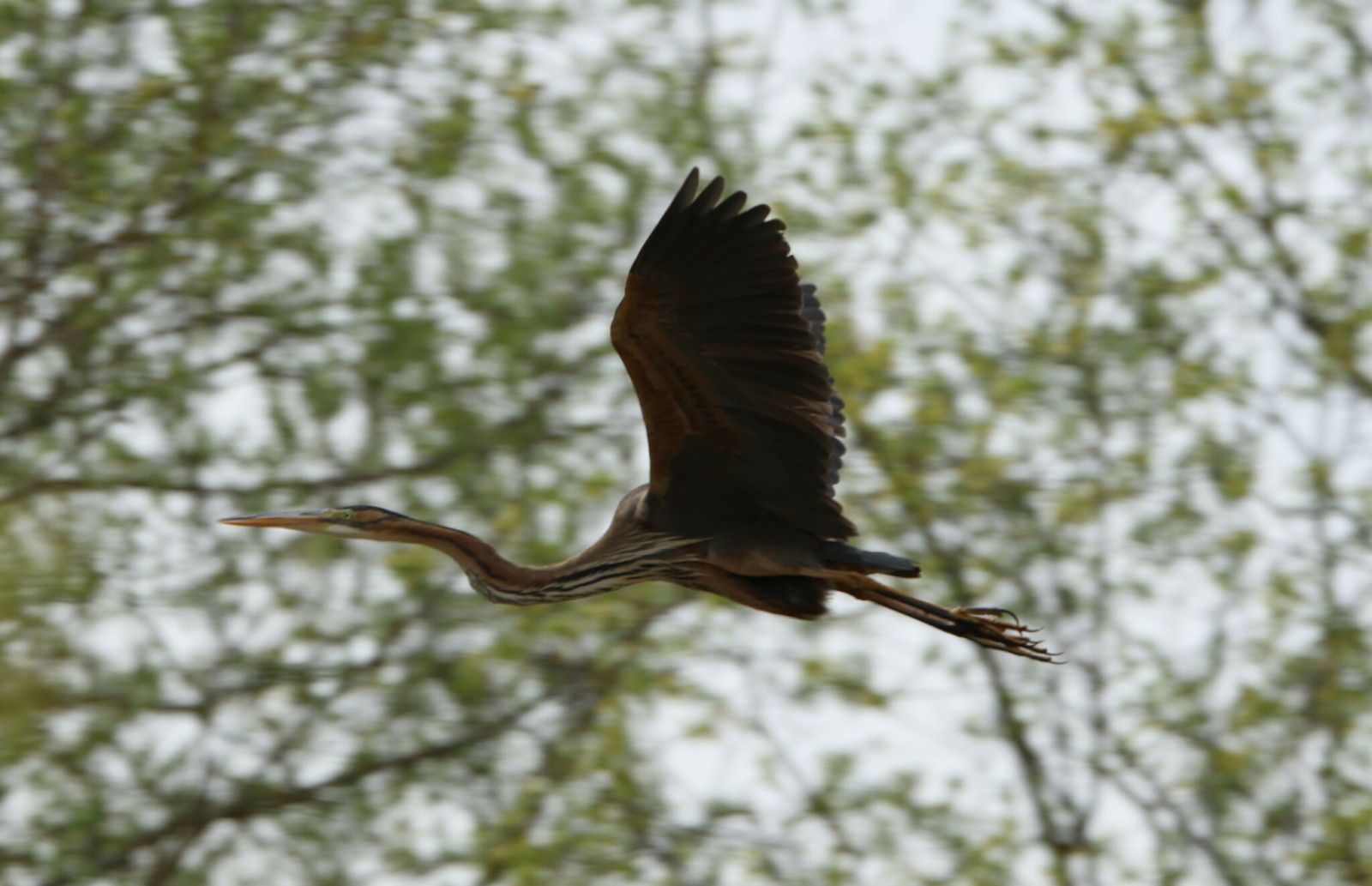
In the reed areas around the lake you can often hear Gușă vânătă, Lăcar mic, Lăcar mare, Lăcar de stuf, Grelușel de stuf and Presură de stuf. Bushes around the lakes have Lăcar de mlaștină, Privighetoare roșcată, Mărăcinar negru and Boicuș. And there are also plenty of birds of prey: Uligan pescar, Erete de stuf and Șoimul rândunelelor, in winter also Ciuf de câmp and Erete vânăt, hunt here.
The area is definitely worth a visit, also because extreme rarities are repeatedly reported.
Details
Access
Mooswald and Mooswaldseen are located north of the town of Günzburg. The area is easily accessible by car. There are plenty of parking spaces at the quarry lakes. Click on the P in the map for directions to a parking spot. The rest can easily be accessed on foot or by bike. No difficult paths, except for the path to the observation hide on the eastern Mooswaldsee - this path can be partially flooded.
Terrain and Habitat
Forest , Wetland , Moors/heathland , Pond , Lake , ReedbedsConditions
Flat , Wet , High water possibleCircular trail
NoIs a telescope useful?
Can be usefulGood birding season
All year roundBest time to visit
Autumn migration , Spring migration , SpringRoute
Wide path , Narrow trail , Unpaved road , Paved roadDifficulty walking trail
Average walkAccessible by
Foot , Bicycle , WheelchairBirdwatching hide / platform
YesExtra info
Parts of the paths can be flooded (especially in spring), so small detours have to be taken.


 ) to insert bird names in your own language. The birdnames will automatically be translated for other users!