


Description
The area was part of an EU LIFE project where non-indigenous spruce plantations have been removed and the meandering course of streams restored until 2014. Since then, the clearcut areas have been developed under natural succession and represent an interesting mosaic of semi-open dry and swampy habitats. The surrounding forest was partially damaged by 2007 windstorm "Kyrill" and thus also contains clearings and semi-open windthrow areas.
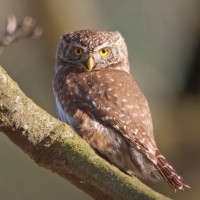
Seven species of woodpeckers can be seen and heard along the trail (Ciocănitoare neagră, Ghionoaie sură, Ghionoaie verde, Ciocănitoare pestriță mare, Ciocănitoare de stejar, Ciocănitoare pestriță mică and Capîntortură). Other interesting forest birds include Sitar de pădure, Muscar negru, Pitulice sfârâitoare, Aușel sprâncenat, Pițigoi de munte, Pițigoi de brădet, Pițigoi moțat, Forfecuță, Sturz de vâsc and Ciuvică. The semi-open patches provide habitat for Fâsă de pădure, Sfrâncioc roșiatic, Turturică, Grelușel pătat, Pitulice fluierătoare, Mărăcinar negru and Presură galbenă. Corb and Barză neagră are visitors. Along the river, Pescăraș albastru, Pescărel negru and Codobatură de munte can be encountered.
Details
Access
There is a car park at Neuhaus. From there use the A7 hiking trail (circular walk of about 7 km, see the map). The trail leads along the river valley which can be best explored by foot.


 ) to insert bird names in your own language. The birdnames will automatically be translated for other users!