Description
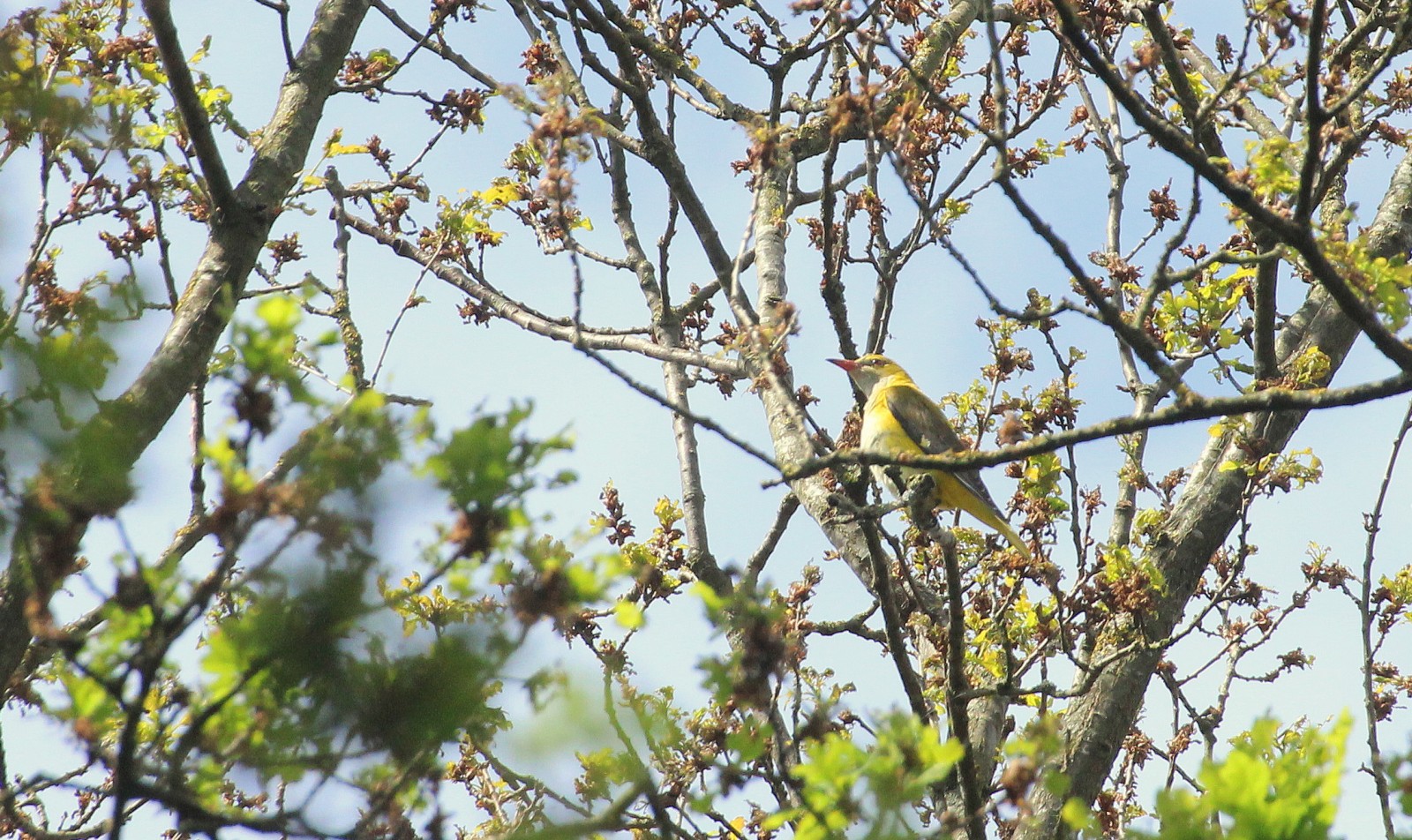
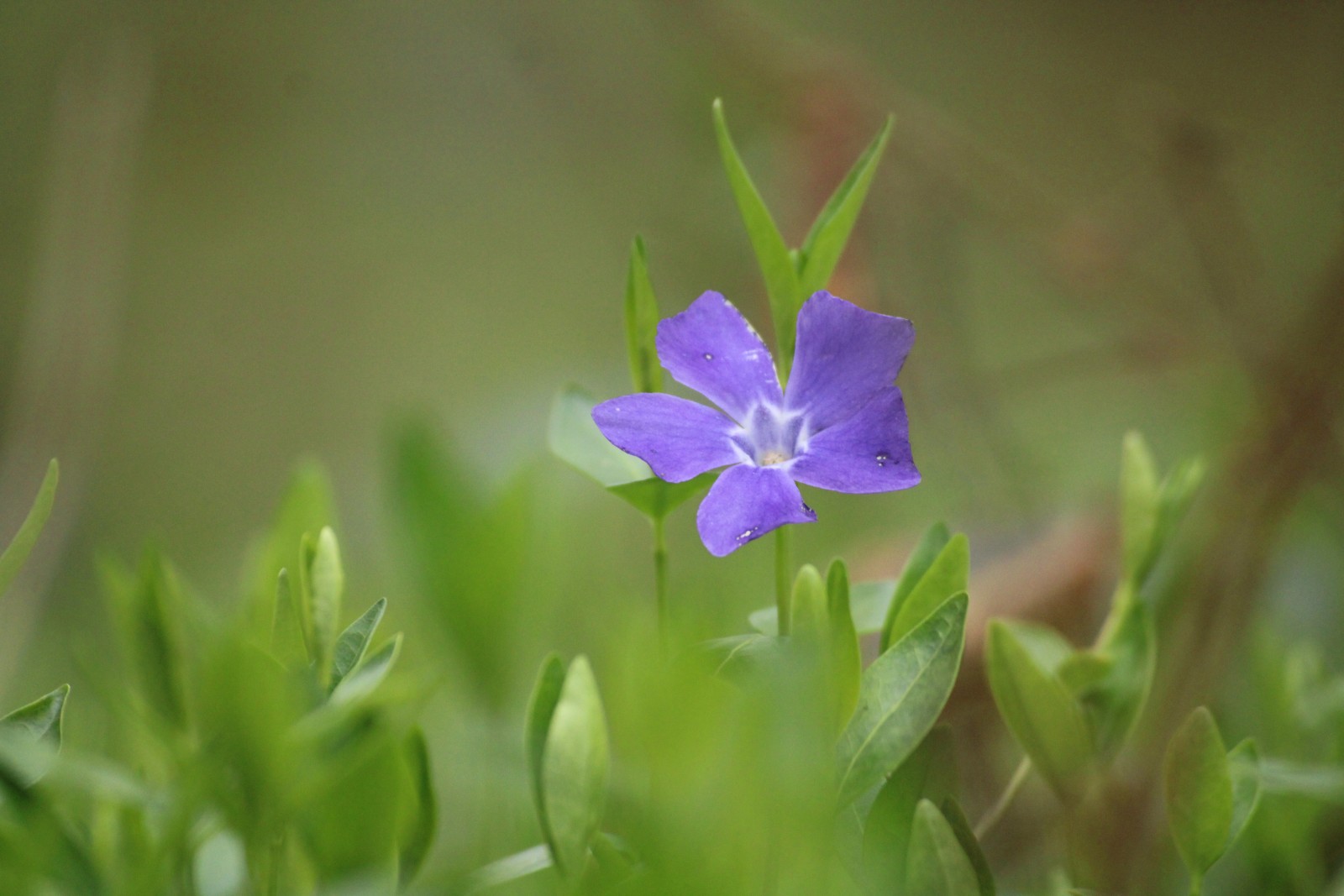
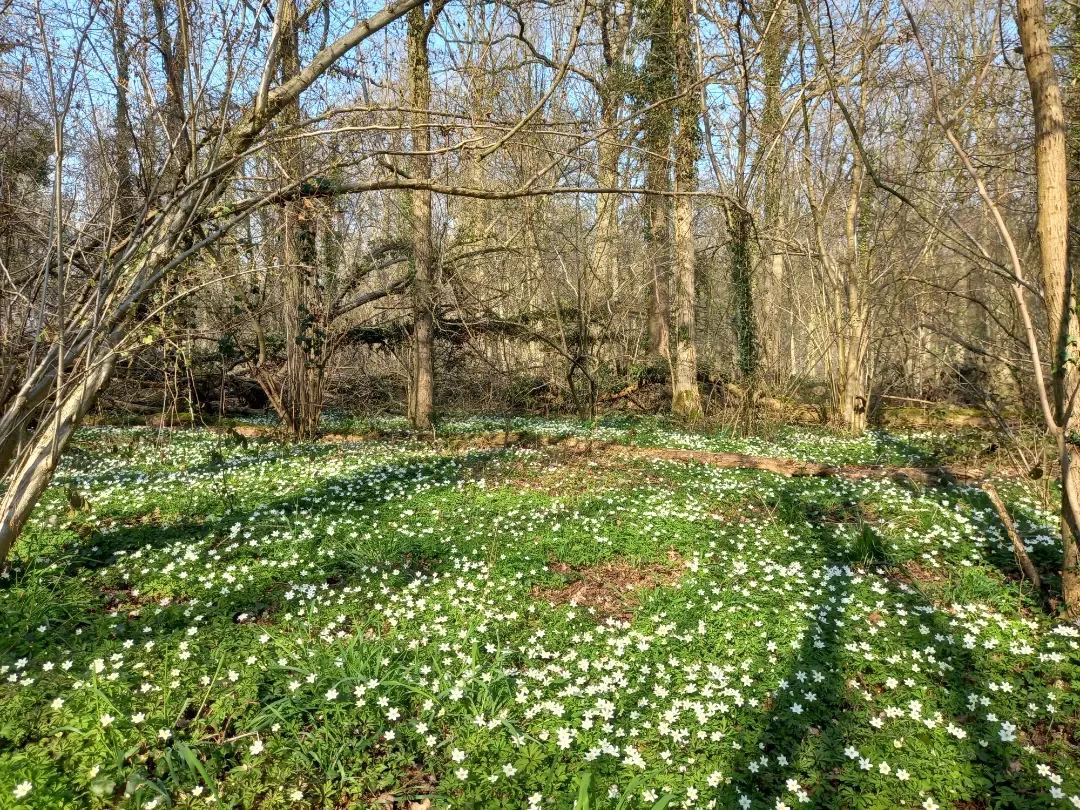
The old oaks of Kerselaeren forest attract many forest birds such as Țiclean, Ciocănitoare pestriță mică ,Ciocănitoare de stejar and Huhurez mic. Spring is the best season to come here. If you are lucky, you can see Grangur, Muscar sur, Pitulice sfârâitoare or Botgros. In winter groups ofSticlete and Scatiu forage in the alders. The forest also has an unique spring flora. At the end of March, thousands of wood anemones, lesser periwinkles and oxlips color the forest floor. Other rare plant species are wood sorrel, false lily, Solomon's seal and herb-paris. The farms around the forest are the habitat of Cucuvea and Codroș de munte.
_________________________
Nederlands: Het Kerselaerenbos of Lachenenbos is een loofbos. Het maakt deel uit van het natuurgebied 'Grote Boshoek'. De oude eiken van het Kerselaerense bos trekken veel bosvogels aan zoals Țiclean, Ciocănitoare pestriță mică ,Ciocănitoare de stejar en Huhurez mic. De lente is het beste seizoen om hier te komen. Grangur, Muscar sur, Pitulice sfârâitoare en Botgros zijn onregelmatige gasten. Het bos heeft ook een unieke lenteflora. Eind maart kleuren duizenden bosanemonen, kleine maagdenpalmen en slanke sleutelbloemen de bosbodem. Andere zeldzame plantensoorten zijn klaverzuring, dalkruid, salomonszegel en eenbes. De boerderijen rond het bos zijn het leefgebied van Cucuvea en Codroș de munte.
Details
Access
There is a parking for cars at the beginning of the nature reserve. The best way to explore is on foot. Coordinates: 51.121376, 4.524644.
_________________________
Nederlands: Aan het begin van het natuurgebied is een parkeerplaats voor auto's. De beste manier om te verkennen is te voet. Coördinaten: 51.121376, 4.524644.


 ) to insert bird names in your own language. The birdnames will automatically be translated for other users!