Descrição
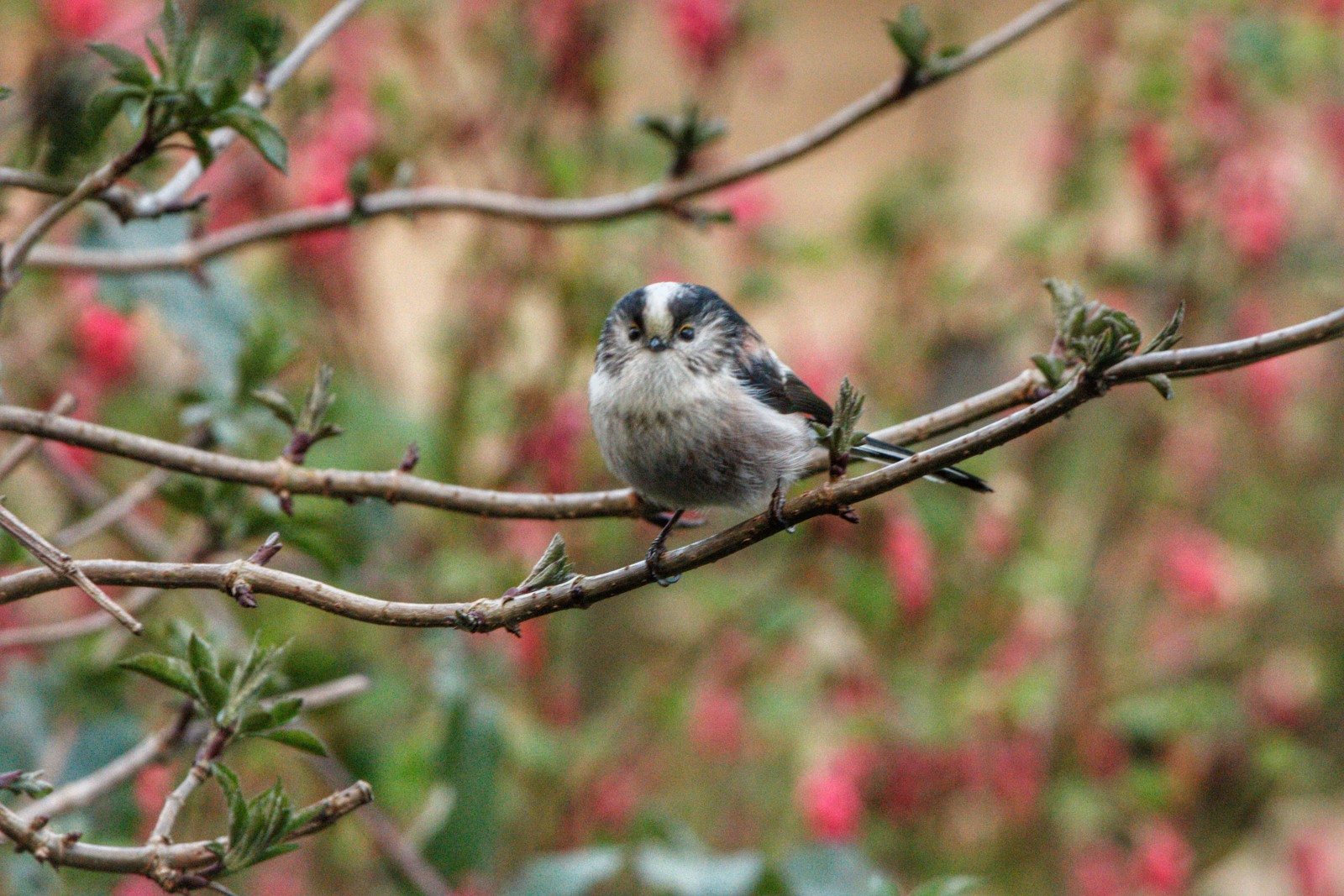
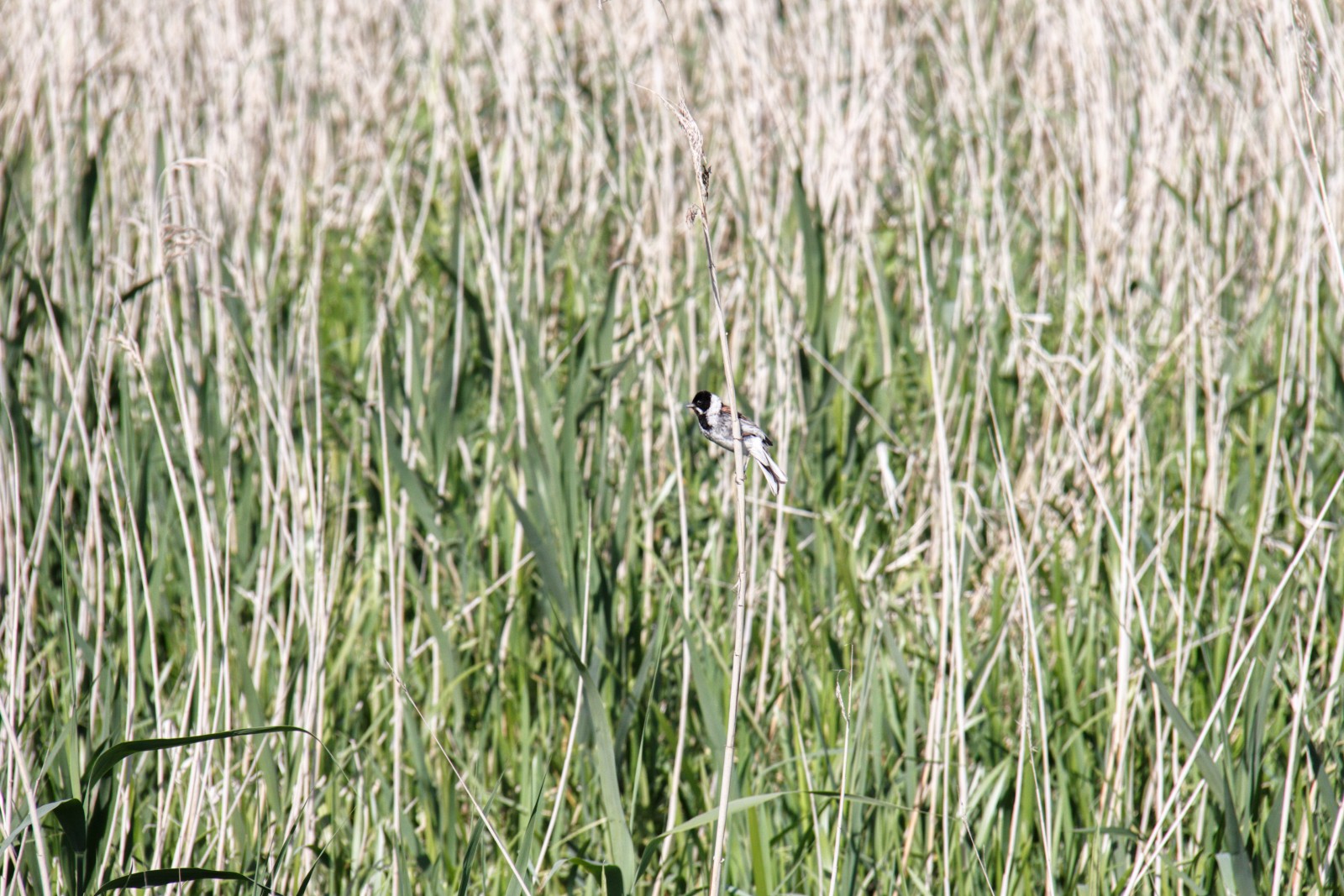
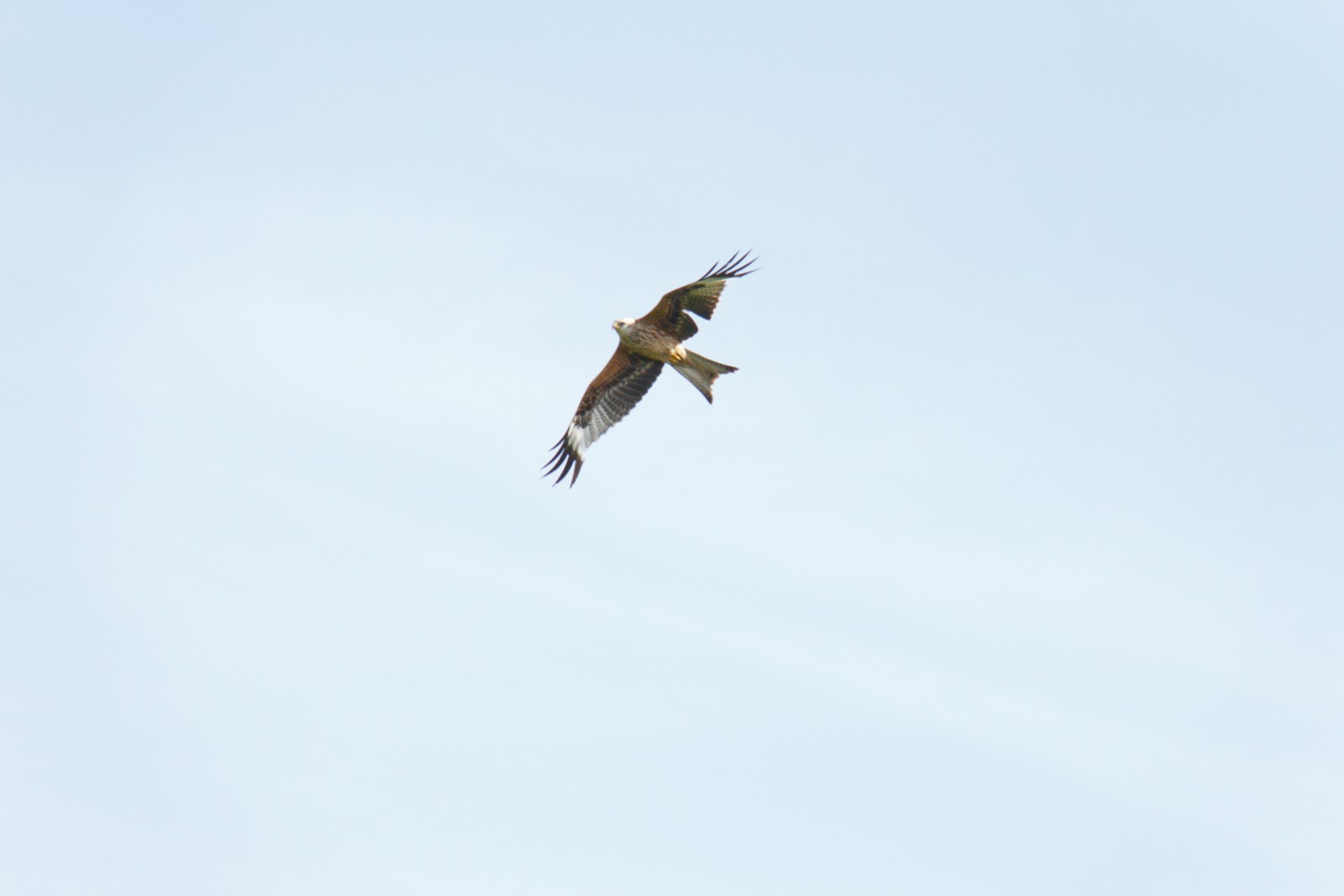
This is an area of 157 hectares with wet meadows with a pool and a scrape. It holds large areas of water after flooding. You can see quite a few migrating birds such as Andorinha-das-chaminés, Andorinho-dos-beirais, Maçarico-das-rochas, Maçarico-real, Cisne-bravo, Maçarico-galego, Felosa-dos-juncos, Andorinha-do-mar-comum, Chasco-cinzento. But also Milhafre-real, Águia-d'asa-redonda, Guarda-rios-comum, Abibe-comum, coruja-da-igreja / coruja-das-torres, Garça-real, Garça-branca-pequena, Cuco-rabilongo, Escrevedeira-dos-caniços Dom-fafe and also Chapim-de-bigode.
Best time to visit is March to end June for breeding waders and meadowbirds. November to end January for thousands of migrating birds once the area is flooded.
Detalhes
Acesso
Eight miles south east of York, four miles east of the A19. From Wheldrake follow the road (Carr Lane) towards Thorganby and out of the village where the road takes a sharp right turn. 0.5 miles further on a narrow road to you left (after the Yorkshire Water compound) takes you down to the nature reserve. Park on the stony area next to the bridge over the River Derwent.
There are two different car parks, one for Wheldrake Ings, the other one for Bank Island. Both places are really close to each other and you can easily walk between the two (10 min).
Terreno e Habitat
Planice , LamaçaisCondições
Plano , Possível na maré cheiaCaminho circular
Nãoé útil um telescópio?
Pode ser útilBoa temporada de observação de aves
Durante todo o ano , PrimaveraMelhor hora para visitar
Migração da primavera , Migração de outonoRota
Caminho largoCaminho dificil
FácilAcessível por
Pé , BicicletaAbrigo/plataforma deobservação de aves
SimInformação extra
The wetlands attract a wide range of birds. Spring and autumn can be exciting as migrant waders, terns and raptors pass through. Franga-d'água-grande, Frango-d'água and chapim-montês all breed along with many common waders and ducks. Tartaranhão-ruivo-dos-pauis, Ógea and falcão-peregrino are all seen regularly with the chance of an Águia-pesqueira or Gaivina-preta during migration.


 ) para inserir nomes de aves no seu idioma. Os nomes das aves serão traduzidos automaticamente para outros utilizadores!