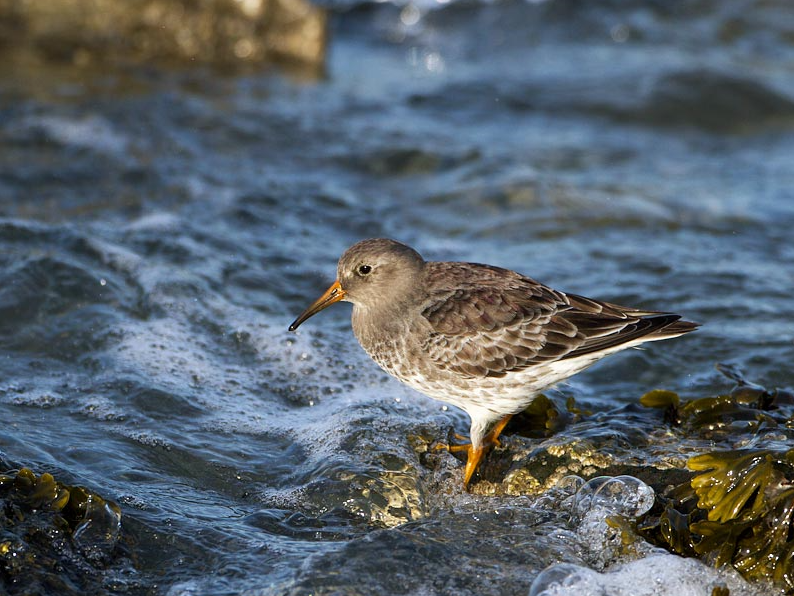
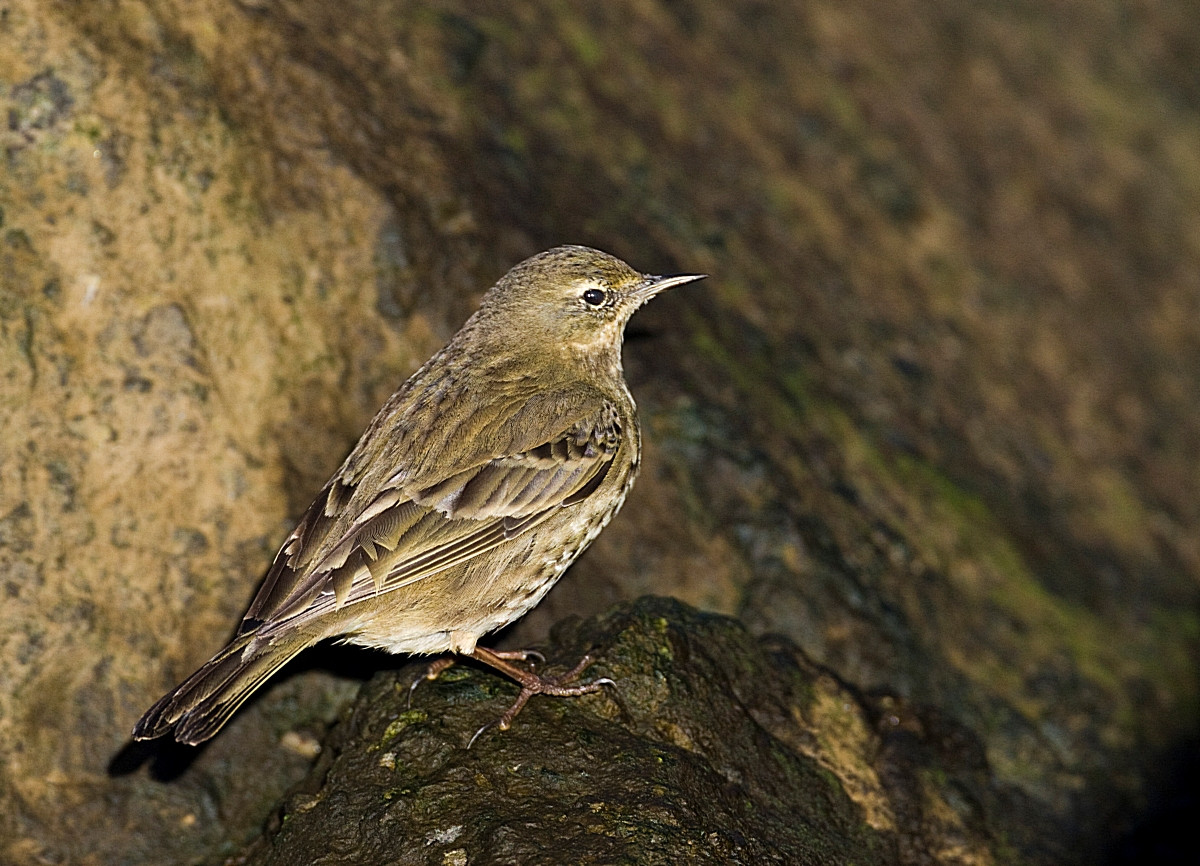

Descrição
The topography concentrates off-shore seabird passage and various unusual land and shore species can be seen. The west side of the Bill consists of sea cliffs and the land slopes down towards the south-east. The cliffs provide nesting places for Arau-comum and Torda-mergulheira, which also congregate on the sea. The grassland and scrub south of the Coastguard buildings are worth patient inspection for resident and passage species.
The principal interest is from migration: this is an important landfall and departure point for spring and autumn migrations. If migratory rarities are the principal interest, it's recommended to monitor sightings before making the journey from the "mainland", otherwise there's usually something of interest and the location is exceptional.
Detalhes
Acesso
The location is accessible by car or bus. There's a large carpark and a tourist shop. The area is best searched on foot and wheelchair access isn't always possible. The postcode of the Bird Observatory is DT5 2JT, the car park is further on.
Terreno e Habitat
Planice , Árvores e arbustos dispersos , Campina , Mar , Cidade/VilaCondições
Plano , Rochoso , Paisagem abertaCaminho circular
Simé útil um telescópio?
SimBoa temporada de observação de aves
Durante todo o anoMelhor hora para visitar
Migração da primaveraRota
Estrada pavimentada , Caminho largo , Caminho estreitoCaminho dificil
Caminhada médiaAcessível por
Pé , BicicletaAbrigo/plataforma deobservação de aves
NãoInformação extra
Visitors are welcome into the Bird Observatory, but it's not a right, people live here.
The nesting areas on the western sea cliffs are best viewed from north of the defence buildings - take care, the cliff edge is unfenced. There's an abandoned quarry near the cottages and Observatory where a Mocho-galego has been a reliable resident (as at 2021).
The area is popular with visitors, so expect shore birding to be interrupted by trippers. An early start is recommended to avoid crowds and parking stress.


 ) para inserir nomes de aves no seu idioma. Os nomes das aves serão traduzidos automaticamente para outros utilizadores!