Descrição
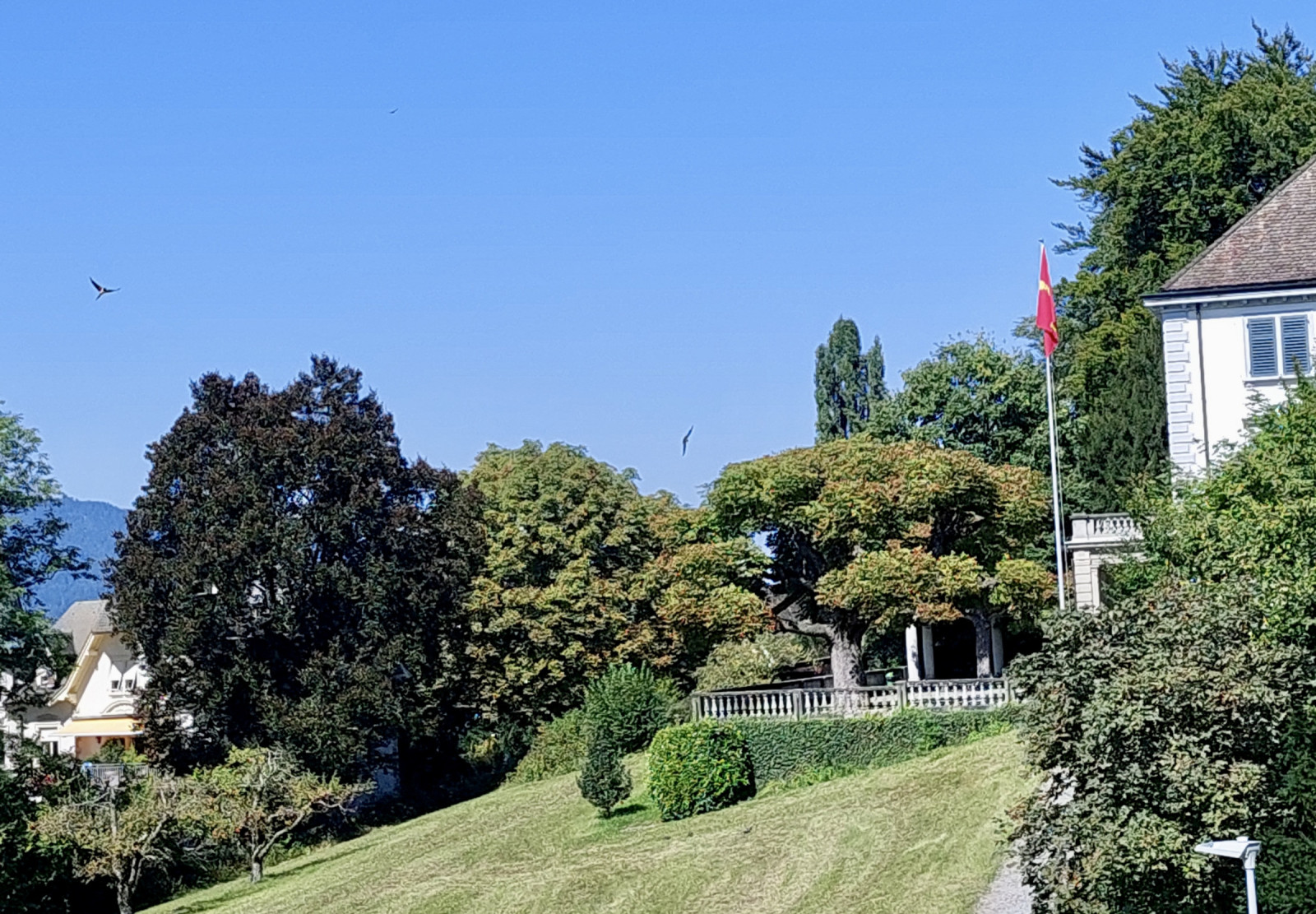
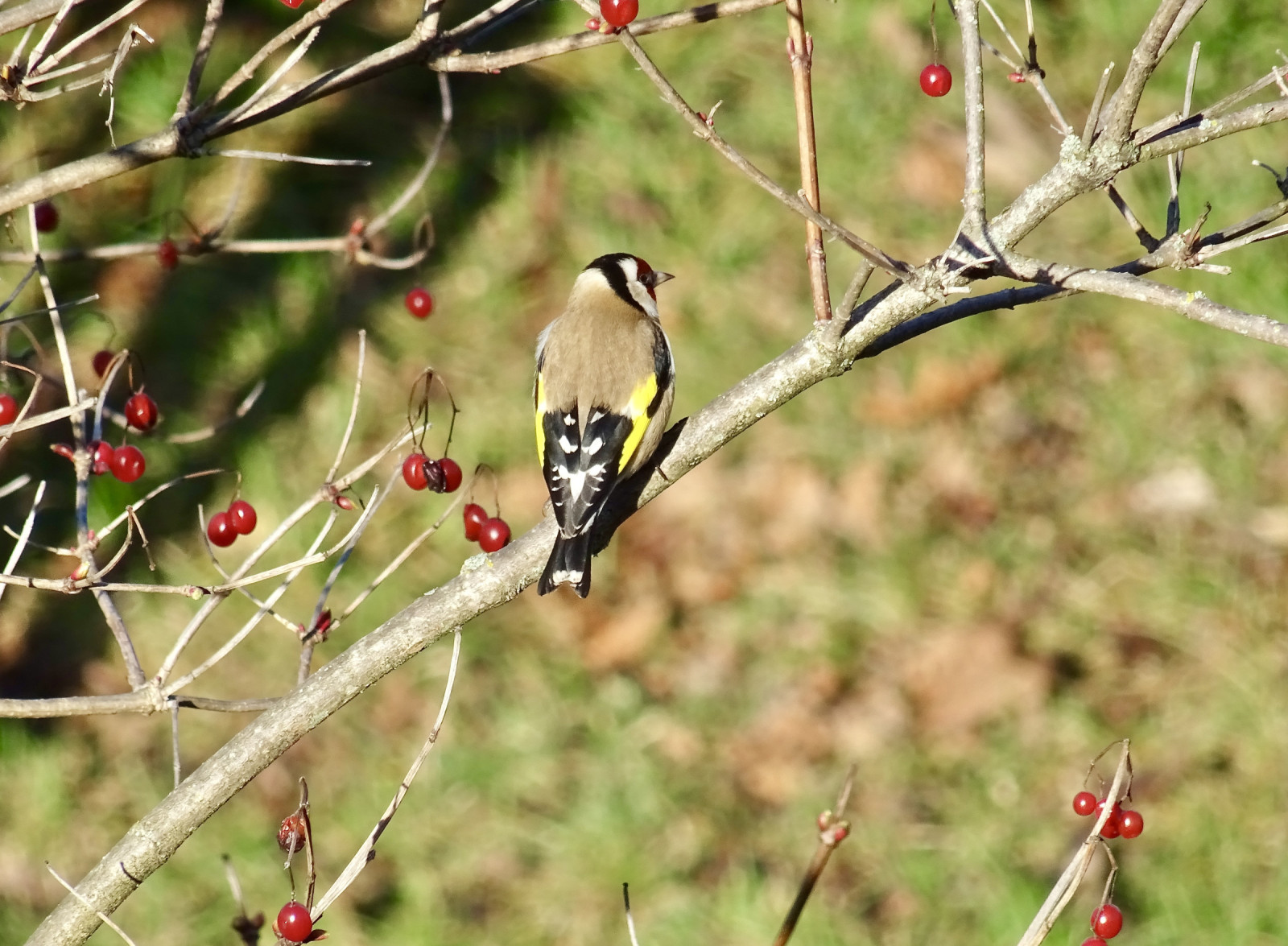
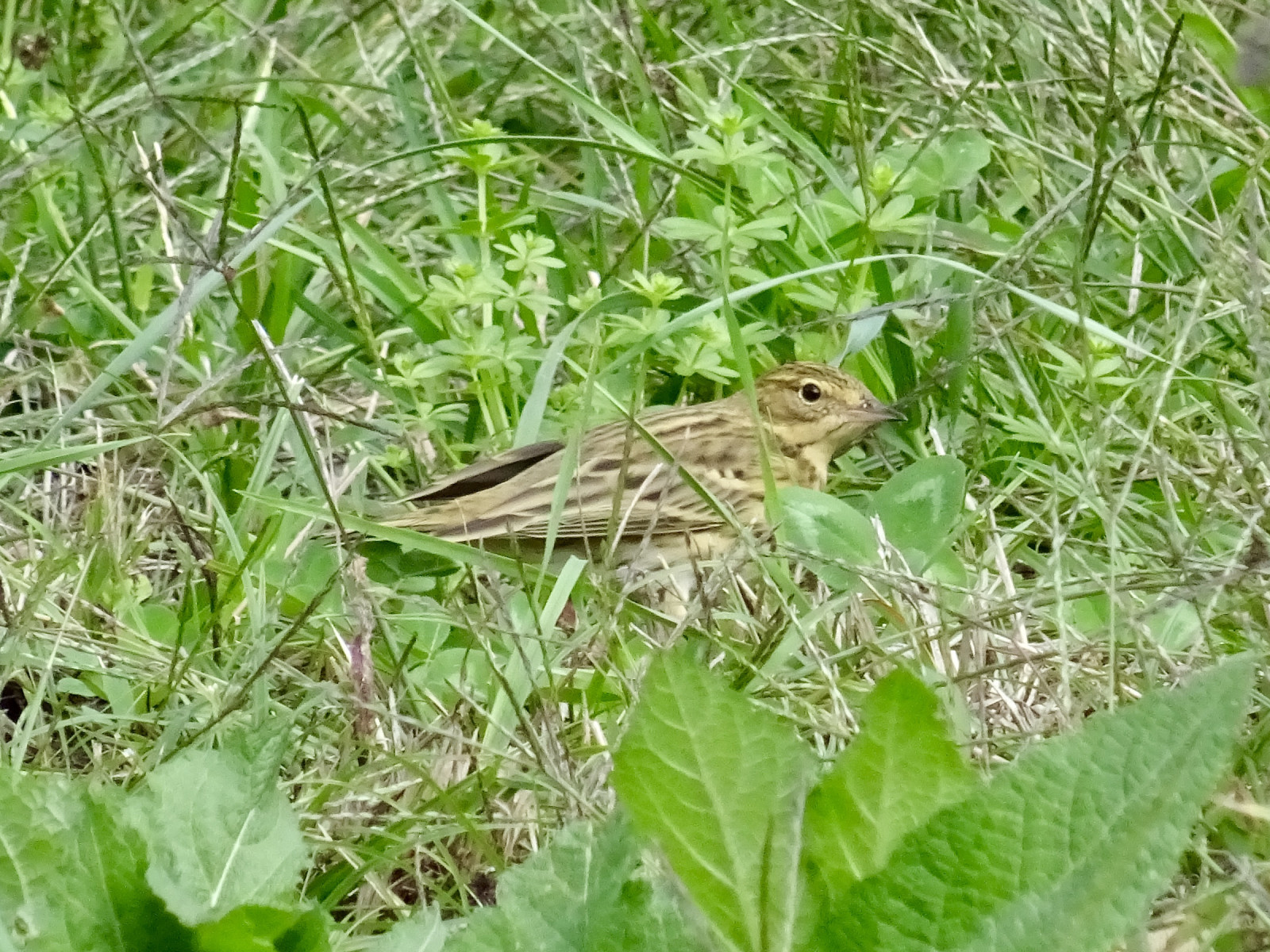
Local and migratory birds benefit from the tall beech, chestnut and other trees - with magnificent specimens over 100 years old. Andorinhão-preto , peneireiro-de-dorso-malhado / peneireiro , Coruja-do-mato , and many other species raise their young. Also Torcicolo, Socó-taquari , coruja-da-igreja / coruja-das-torres, and Picanço-de-dorso-ruivo have been observed. Here they find a variety of otherwise rare insects, amphibians, reptiles and small mammals , together with plenty of beechnuts, wild berries and seeds. For more species see the list below.
Detalhes
Acesso
There is a public car park at Küsnacht railway station (8-minute walk to the park). However, travelling by train (arrival every 15 minutes) or the popular Zürichsee-Dampfschiff (boat) is highly recommended (10-minute walk to the park).
Terreno e Habitat
Floresta , Árvores e arbustos dispersos , Campina , Pequeno lago , ParqueCondições
MontanhosoCaminho circular
Simé útil um telescópio?
Pode ser útilBoa temporada de observação de aves
Durante todo o anoMelhor hora para visitar
Migração da primaveraRota
Estrada pavimentada , Caminho largoCaminho dificil
FácilAcessível por
PéAbrigo/plataforma deobservação de aves
NãoInformação extra
The estate, with its historic manor house, built in 1623, and farm building, is located on the former site of a large medieval vineyard (first mention 1246) that was preserved until the 20th century. The last vines were removed in 2018. The stream after which it is named is a lifeline for flora and fauna: it connects the area with the forest near Itschnach and with Lake Zurich. The unique biodiversity of the historic site is currently under threat from a major construction project.




 ) para inserir nomes de aves no seu idioma. Os nomes das aves serão traduzidos automaticamente para outros utilizadores!