Descrição
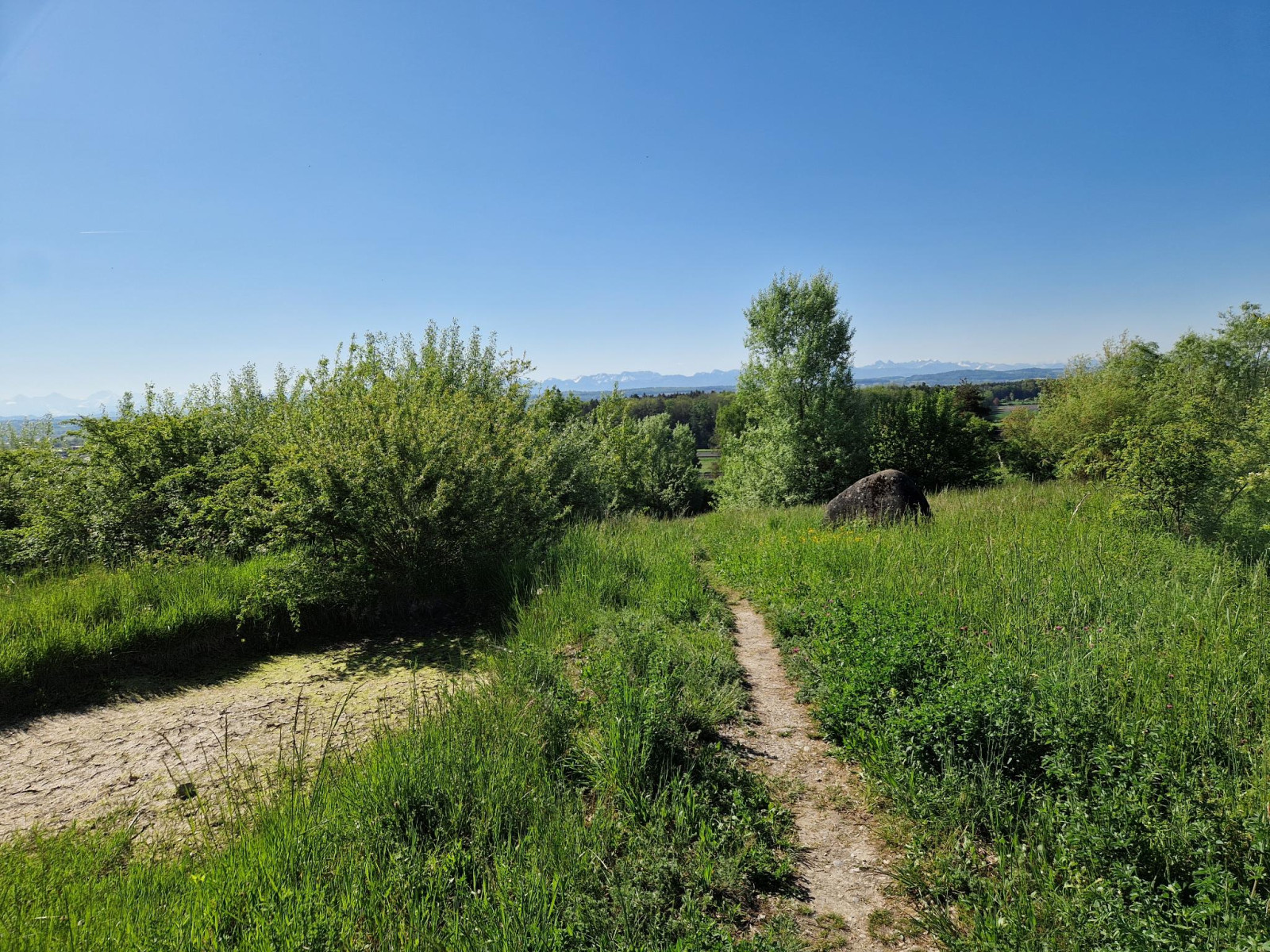
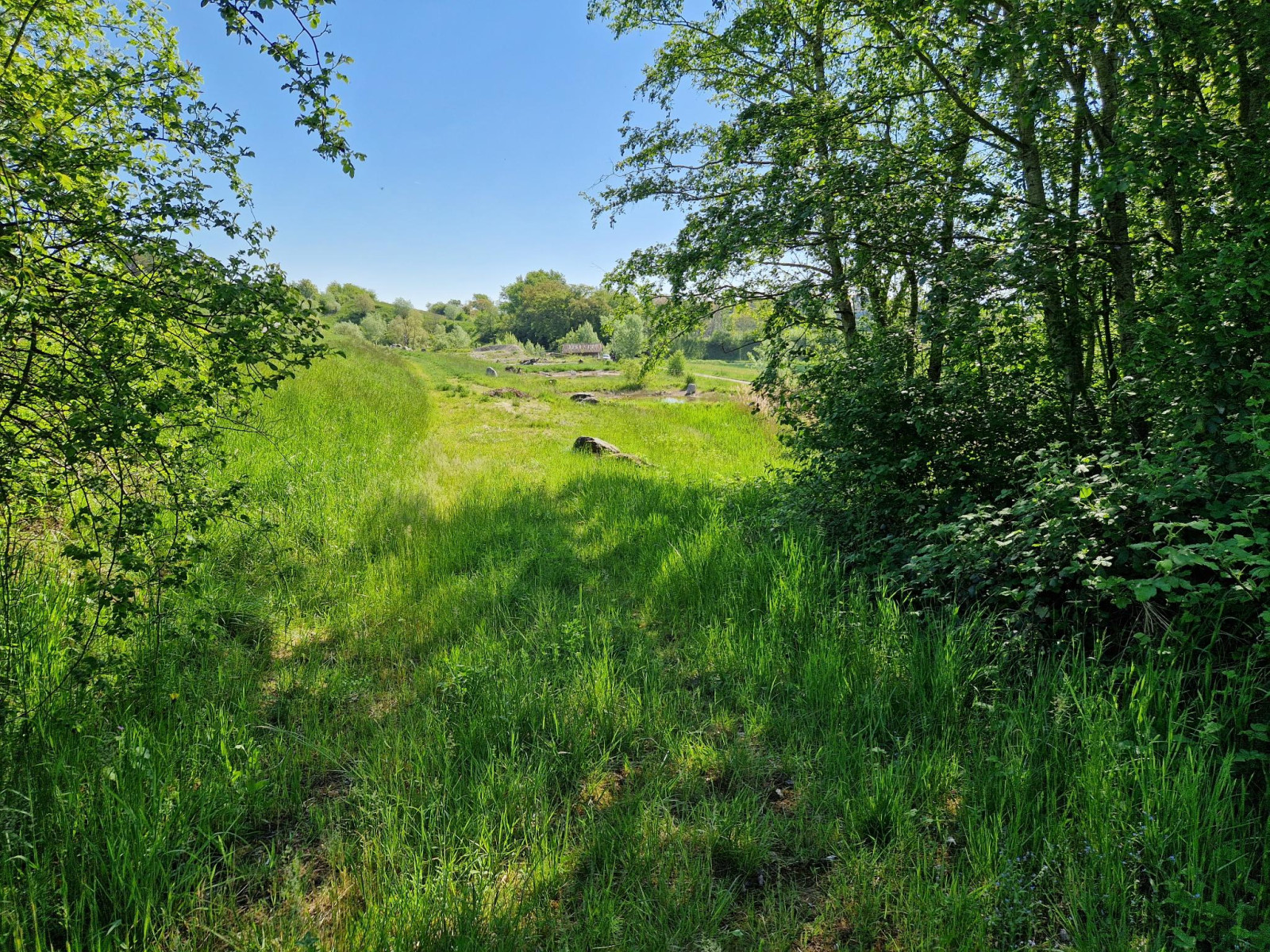
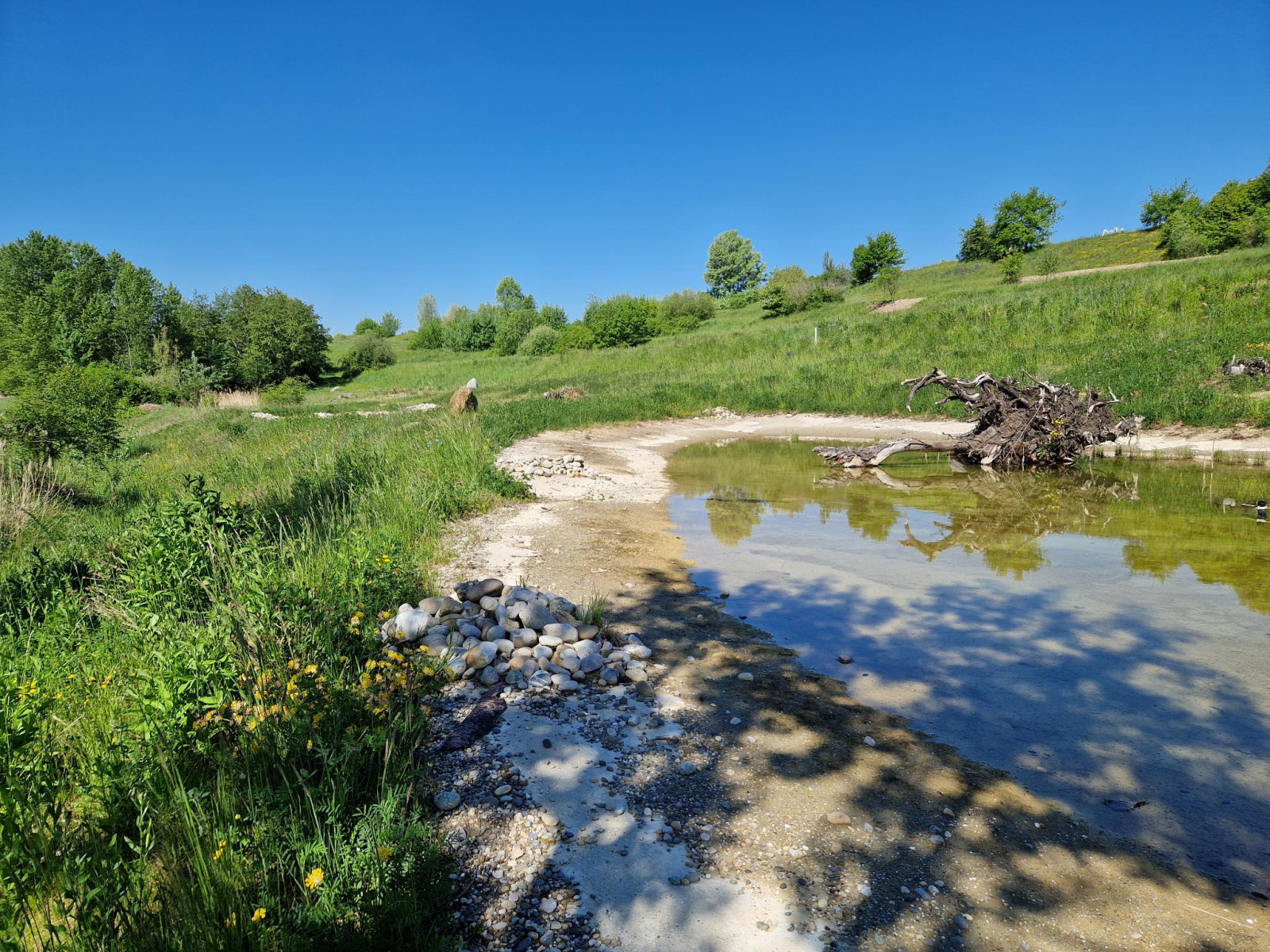
About 150 species have so far been recorded in this tiny nature reserve. Bir länge Stude is part of the Grosses Moos in the north of Lake Neuchâtel. It consists of a south-facing slope with semi-dry meadows (1), richly structured hedges (2) and a restored gravel pit (3). At the foot of the slope, some ponds have been created for amphibians (4); a small, ecologically managed vineyard (5) is cultivated here on a voluntary basis.
The typical birds of these habitats, which have become rare elsewhere, include Papa-amoras-comum, Rouxinol-comum, Picanço-de-dorso-ruivo, Cartaxo-nortenho, Rabirruivo-de-testa-branca and Cartaxo-comum. The orchard trees provide food for Torcicolo. Especially in the tree groups lower down (6) you’ll find Rola-comum and Papa-figos. One of the main target species of conservation efforts here is the Trigueirão, which has one of its last refuges in Switzerland in the Grosses Moos. Somewhat less frequently, Felosa-malhada, papa-amoras-cinzento and Codorniz are also seen. Noteworthy too is the large colony of Andorinha-das-barreiras in the restored gravel pit. From there, the call of the Abelharuco-comum has been heard repeatedly - so far probably only from migrating individuals.
During spring migration, rare relatives of the habitat’s typical resident species turn up again and again: calhandrinha, Sombria, Estorinho-rosado, and most recently a Picanço-barreteiro have been sighted. Coruja-do-nabal and Falcão-de-pés-vermelhos have also already stopped over in the area.
Detalhes
Acesso
Bir Länge Stude is located between the villages of Müntschemier and Ins. The area is not specifically wheelchair accessible, but is mostly walkable on small paths. It’s somewhat remote and best reached by bike or on foot.
Terreno e Habitat
Floresta , Agricultura , Árvores e arbustos dispersos , Campina , Pequeno lagoCondições
Montanhoso , Paisagem abertaCaminho circular
Simé útil um telescópio?
NãoBoa temporada de observação de aves
Primavera , Verão , OutonoMelhor hora para visitar
Migração da primaveraRota
Caminho largo , Estrada não pavimentadaCaminho dificil
FácilAcessível por
PéAbrigo/plataforma deobservação de aves
NãoInformação extra
If you’re birding here, you’ll often find yourself alone in open fields. An early morning visit is recommended.



 ) para inserir nomes de aves no seu idioma. Os nomes das aves serão traduzidos automaticamente para outros utilizadores!