Descrição
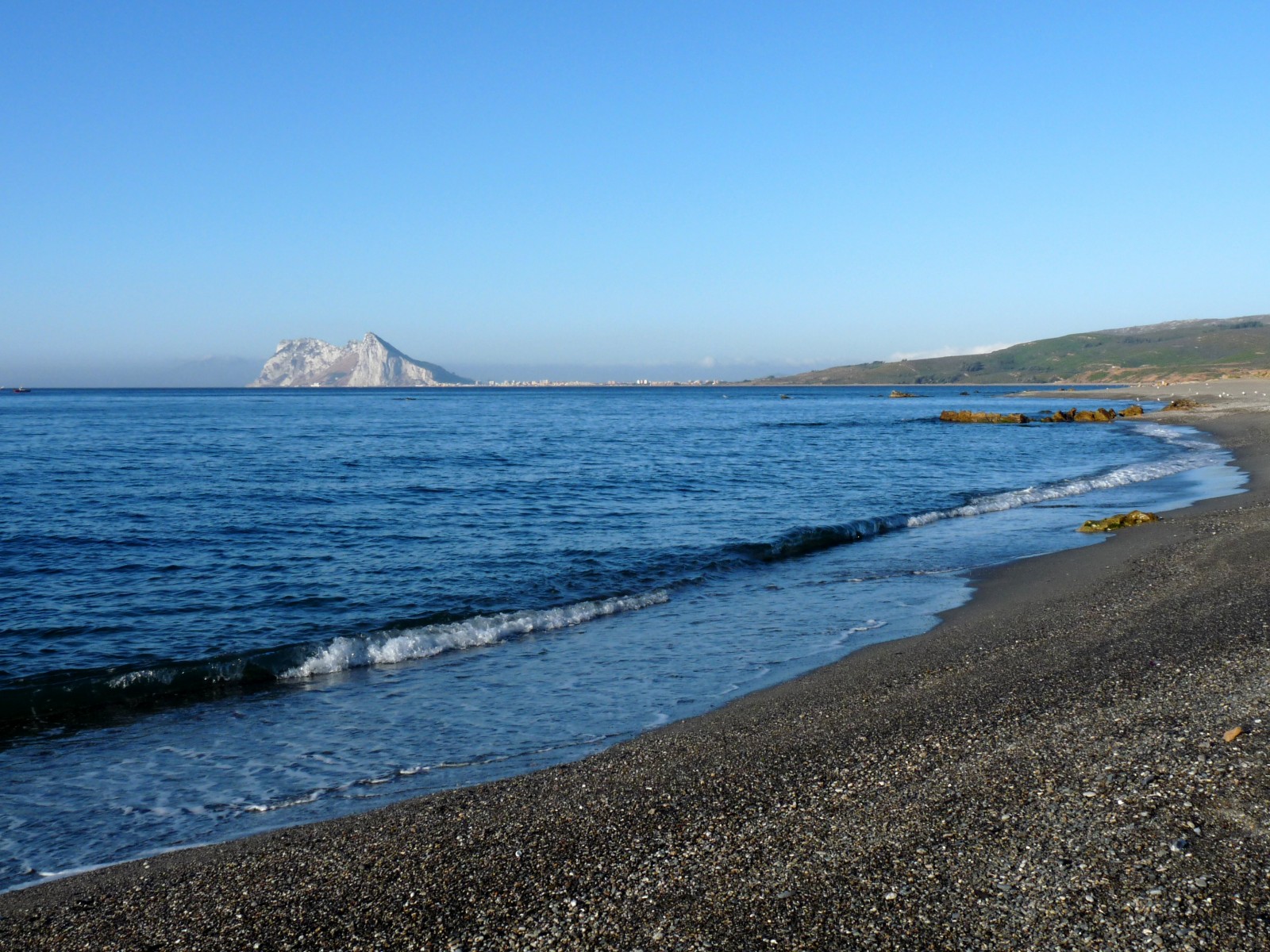
The point of reference is the Punta Carbonera lighthouse, located at the top of the cape that gives it its name, from where there are excellent views of the entire coast, both towards the Strait of Gibraltar and towards the Costa del Sol. Mainly to the north, a narrow strip of beach, coastal and Mediterranean scrub, attracts many species.
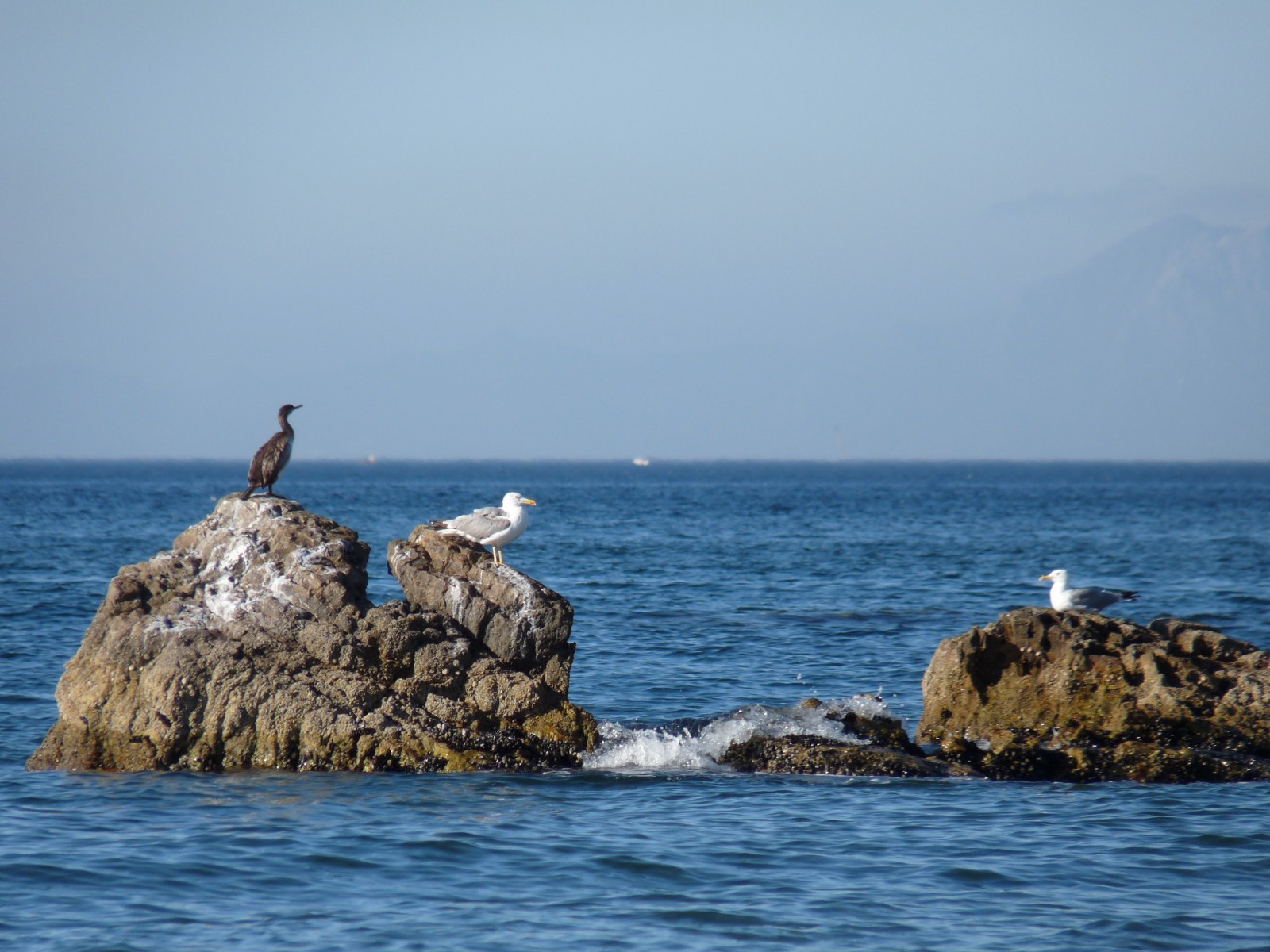
The greatest number of species appear during migration periods, with a good numbers of warblers and thrushes. Winter can be interesting with, for example, several species of seagulls, Laverca or Tarambola-dourada (some years). During the breeding season there are some species that are difficult to find in other nearby areas such as Andorinhão-cafre, Andorinha-dáurica, Chasco-ruivo, Cotovia-montesina or, with luck, Noitibó-de-nuca-vermelha. The beach is a good place for seabirds, both in winter and in migration, such as Bobo-grande, Pardela do Mediterrâneo, Torda-mergulheira, Ganso-patola, Gaivota de Audouin, Garajau-comum or Gaivina-preta. Waders are also present, mainly coastal ones, such as Rola-do-mar, Pilrito-sanderlingo, Maçarico-galego, Ostraceiro (sometimes) or Borrelho-de-coleira-interrompida that breeds there. The rocks near the shore are very good to see resting Corvo-marinho-de-crista, which breed at Gibraltar and go there to feed.
The river Guadalquiton, at the end of the path, is a good place for waders, rails, herons and freshwater passerines. Also, with westerly winds, it is possible to see good numbers of soaring birds and other daytime migrants.
In summer, after watching birds in the early hours, you can swim on the beach.
Detalhes
Acesso
The best option is, from the A-7 motorway, take exit 124 and continue towards La Alcaidesa on the service road. Take the second entrance on the right, where there is a sign that says El Faro, and we come in the urbanization through the Golf Avenue by a level crossing, passing in front of the Fire Station. At the second roundabout, take the third exit towards El Faro, by the Calle Arquitecto Pablo Cerezo, passing, just after, besides the Club Alcaidesa Links Golf Resort. At the end of this road, where the "beach access" sign is, continue along the service road (be careful because it is narrow and curvy). At the crossroads, take the unpaved road to the Torre Carbonera Lighthouse.
Terreno e Habitat
Praia , Árvores e arbustos dispersos , Mar , RioCondições
Arenoso , Sem sombra , PlanoCaminho circular
Nãoé útil um telescópio?
Pode ser útilBoa temporada de observação de aves
Durante todo o anoMelhor hora para visitar
Migração de outono , Migração da primavera , VerãoRota
Estrada não pavimentada , Caminho largoCaminho dificil
FácilAcessível por
Carro , Bicicleta , PéAbrigo/plataforma deobservação de aves
NãoInformação extra
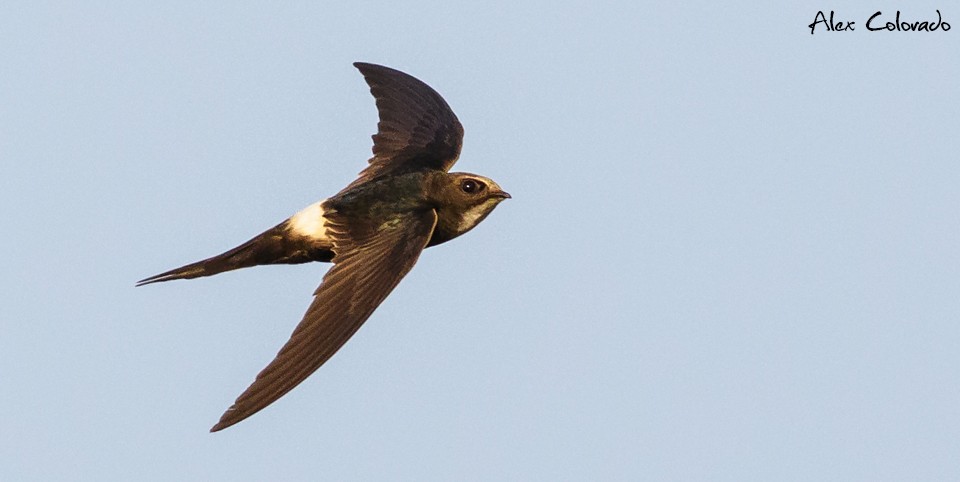
The star species is surely Andorinhão-cafre. It's a transaharian species that arrives mainly in May, with some individuals in late April, and leaves mostly before October. The Andorinha-dáurica build their nests in abandonated buildings and military bunkers, so this swift is going to be found there too.
 (003).jpg)


 ) para inserir nomes de aves no seu idioma. Os nomes das aves serão traduzidos automaticamente para outros utilizadores!