Descrição
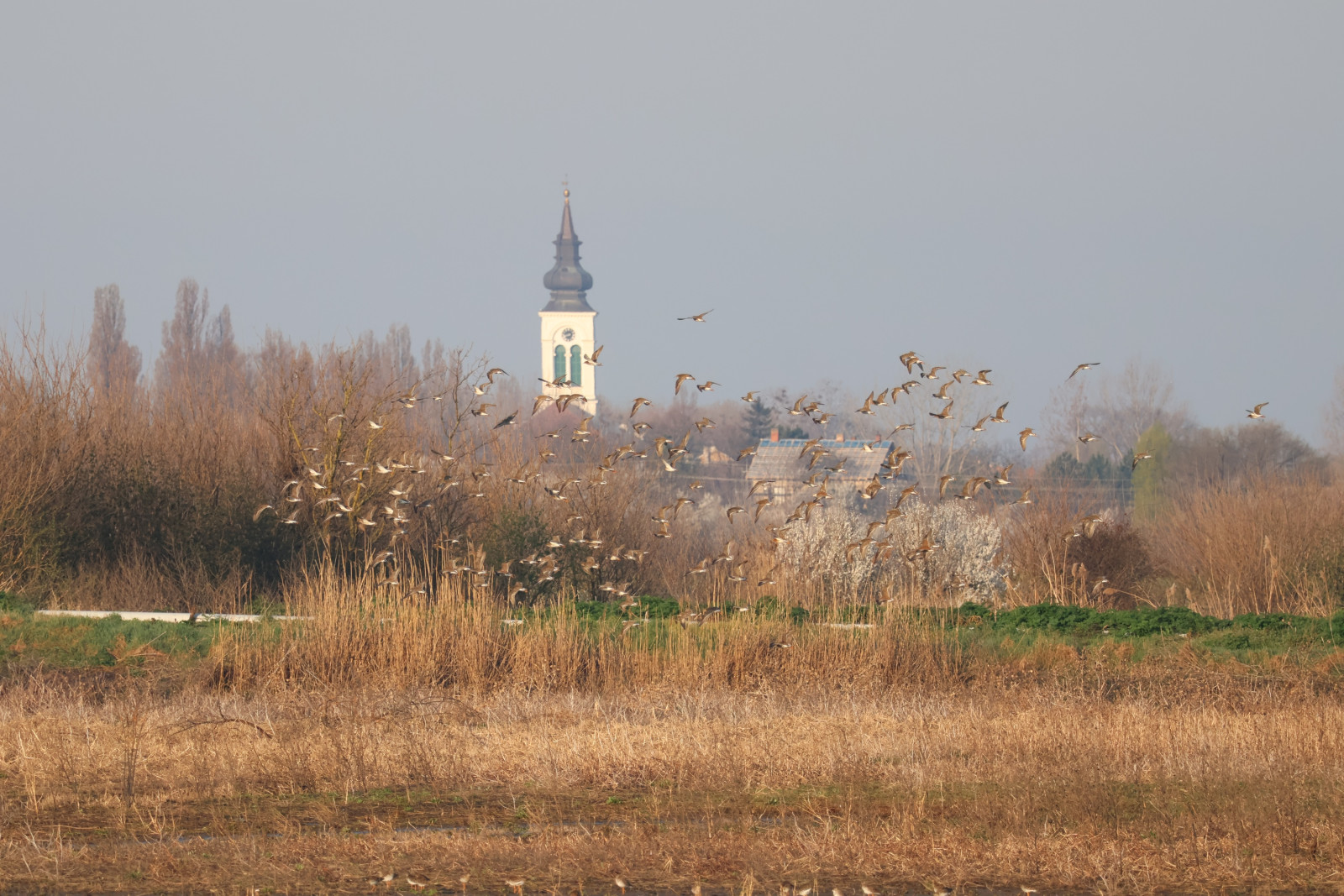
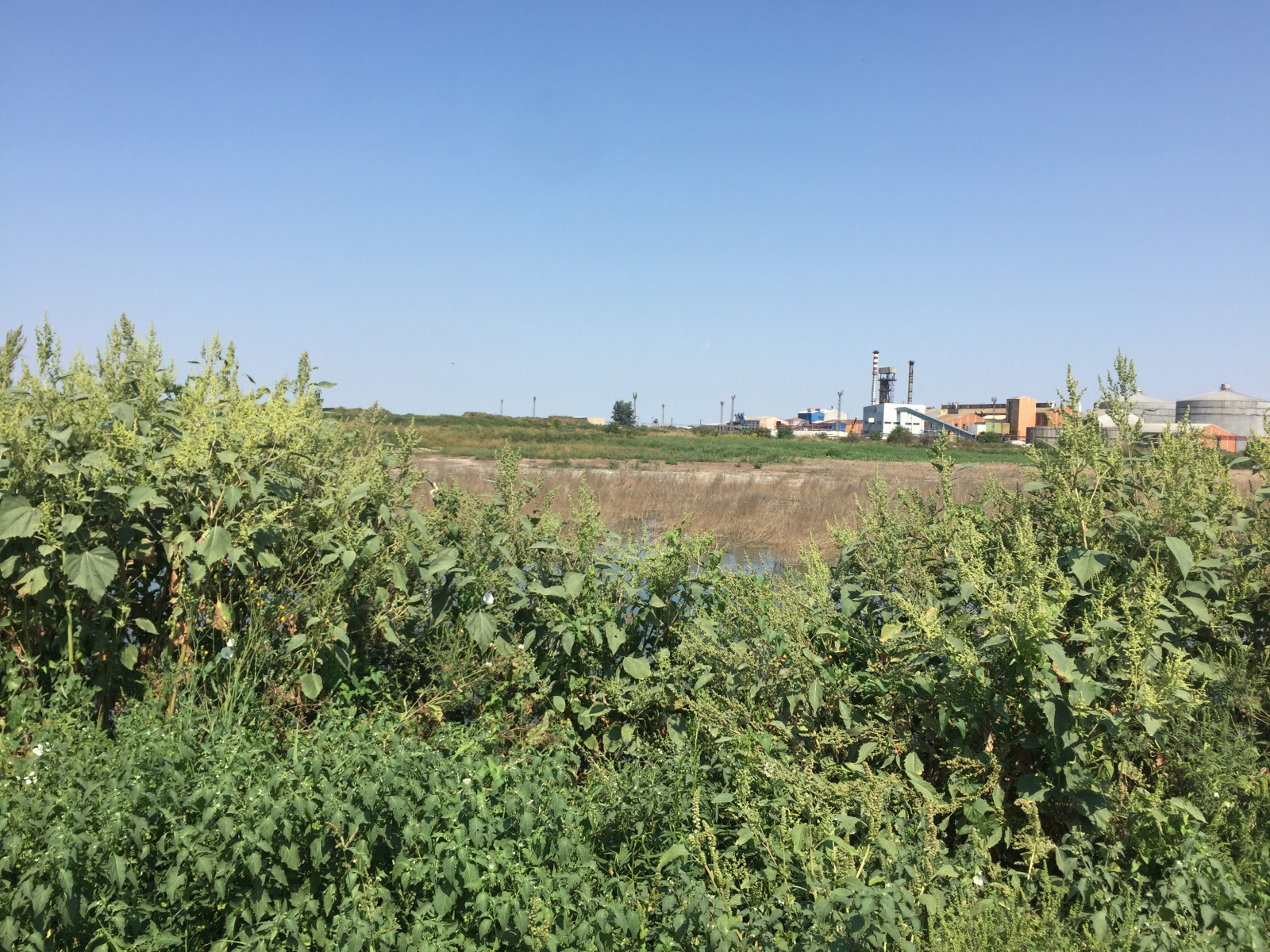
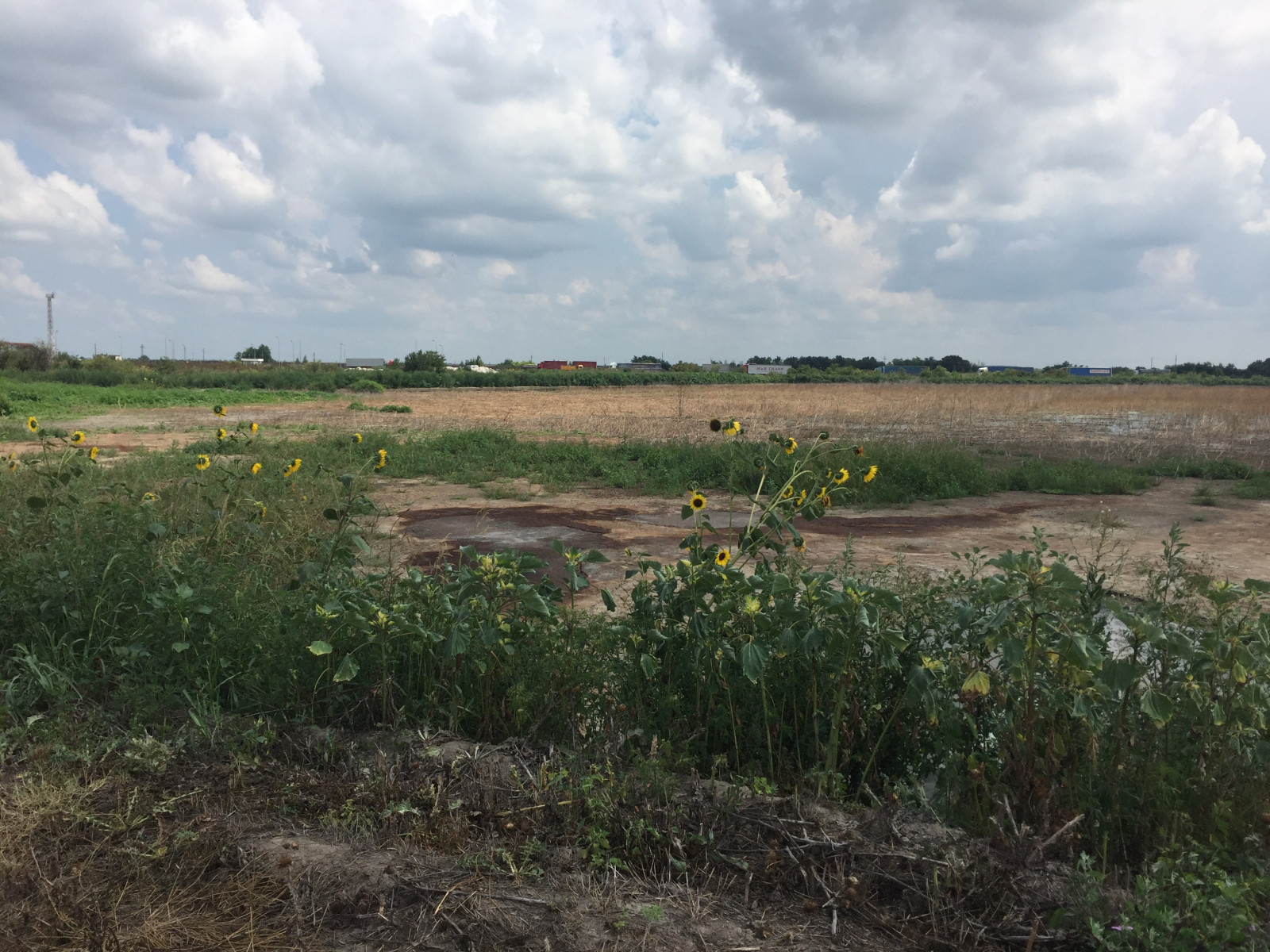
The “Jedinstvo” Sugar Plant ponds lie between Kovacica and Debeljaca villages, about 40 km northeast from Belgrade. The wastewater collectors cover an area of about 100 ha. There are a total of seven smaller or larger ponds, 10 to 20 hectares in size. All ponds are surrounded by embankments 2-3 m high, while the entire wastewater collectors area is surrounded by a canal 2-3 m wide with a narrow belt of reeds along the edges. The plant is operational and the ponds can be quite smelly. The smaller, northern ponds are shallower and more productive. This is possibly the best visited spot around.
If the water level is right, not too deep nor dry, waders here include Pilrito-de-bico-comprido, Perna-vermelha-escuro, Seixoeira, Borrelho-pequeno-de-coleira, Maçarico-galego, Maçarico-de-bico-direito, Borrelho-grande-de-coleira, Rola-do-mar, Combatente, Pilrito-falcinelo, Pilrito de Temminck, Pilrito-comum, Pilrito-pequeno, Narceja-comum, Maçarico-das-rochas, Pássaro-bique-bique, Perna-verde-comum, Perna-verde-fino, Maçarico-bastardo, Perna-vermelha-comum and Perdiz-do-mar (rarity). Guincho-comum, Pernilongo and Alfaiate breed at the beginning of the marked route, while Abibe-comum breed more to the right, closer to the sugar plant.
Other birds to look for include Marreco, Mergulhão-de-pescoço-preto, Frango-d'água, Gaivina-preta, Gaivina-de-faces-brancas, Gaivina-d'asa-branca, Garça-pequena, Papa-ratos, Abelharuco-comum, Rolieiro-comum, Picanço-de-dorso-ruivo, Picanço-pequeno (uncommon) and Picanço-barreteiro (rarity).
Photos (2) by Ivana Novčić and Mileta Čeković.
Detalhes
Acesso
It lies just north of the Debeljaca turn off. You can park there and visit the ponds on foot (visible as the low embankment on your left-hand side), or use the next turn off for the plant itself, in which case be sure not to block the road for large lorries heading for the plant gate. For driving directions, zoom in on the map and click on the "P" (parking) sign.
Terreno e Habitat
Agricultura , Lamaçais , Lago , Terras húmidas , Planice , Camas de juncoCondições
Plano , Sem sombra , Paisagem abertaCaminho circular
Simé útil um telescópio?
SimBoa temporada de observação de aves
Primavera , OutonoMelhor hora para visitar
Migração da primavera , Migração de outono , PrimaveraRota
Caminho largo , Estrada não pavimentadaCaminho dificil
FácilAcessível por
PéAbrigo/plataforma deobservação de aves
NãoInformação extra
The best season is September to October, as well as April to May.



 ) para inserir nomes de aves no seu idioma. Os nomes das aves serão traduzidos automaticamente para outros utilizadores!