.jpg)
Descrição
Dubovacki Rit Reserve lies between the village of Dubovac and the river Danube, is about a mile long and consists of open water, reedbeds and willow and poplar riparian forest, with adjoining junipers on grassy sand dunes. Surrounding Danube shallows are a significant wintering area for waterbirds.
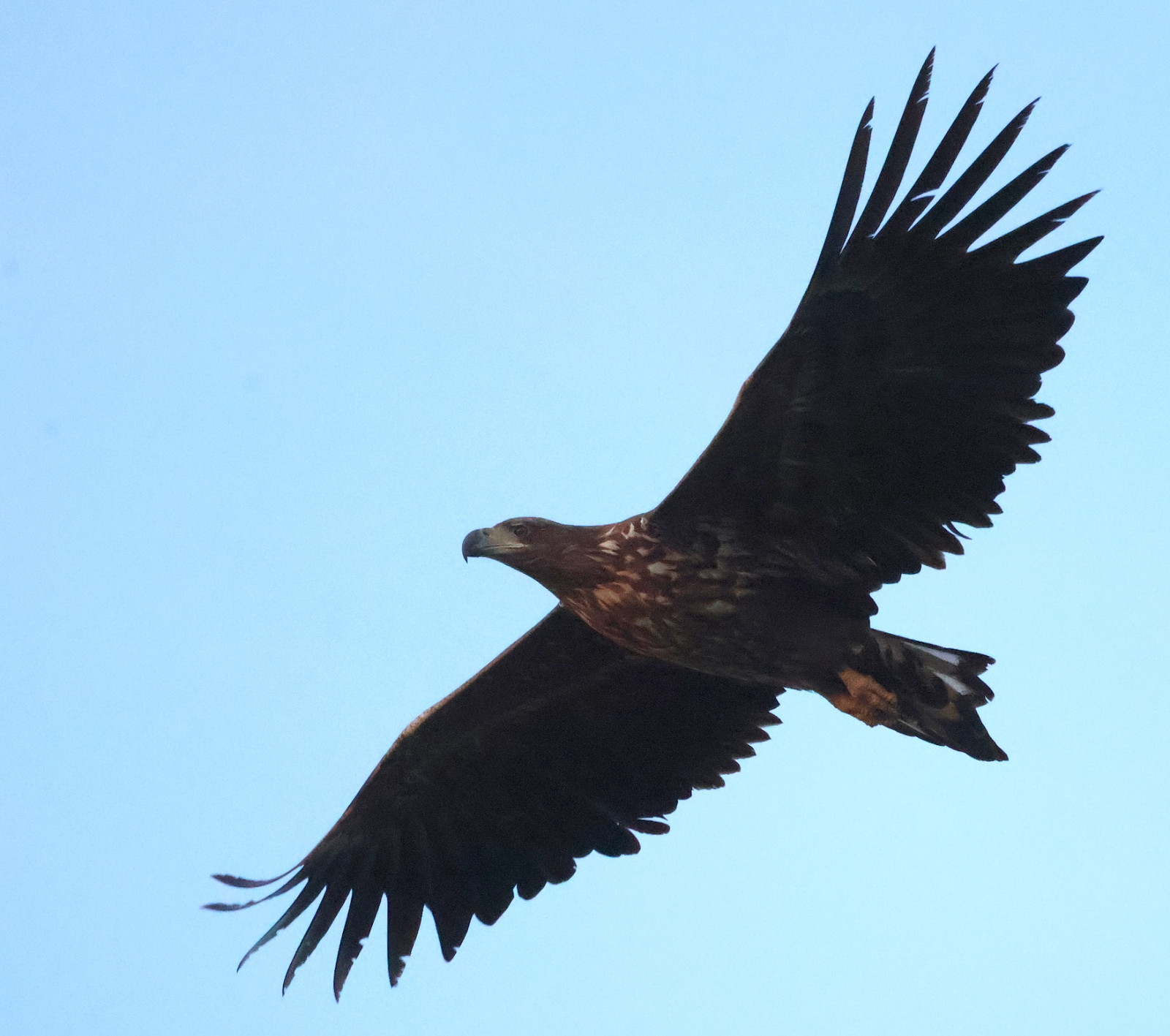
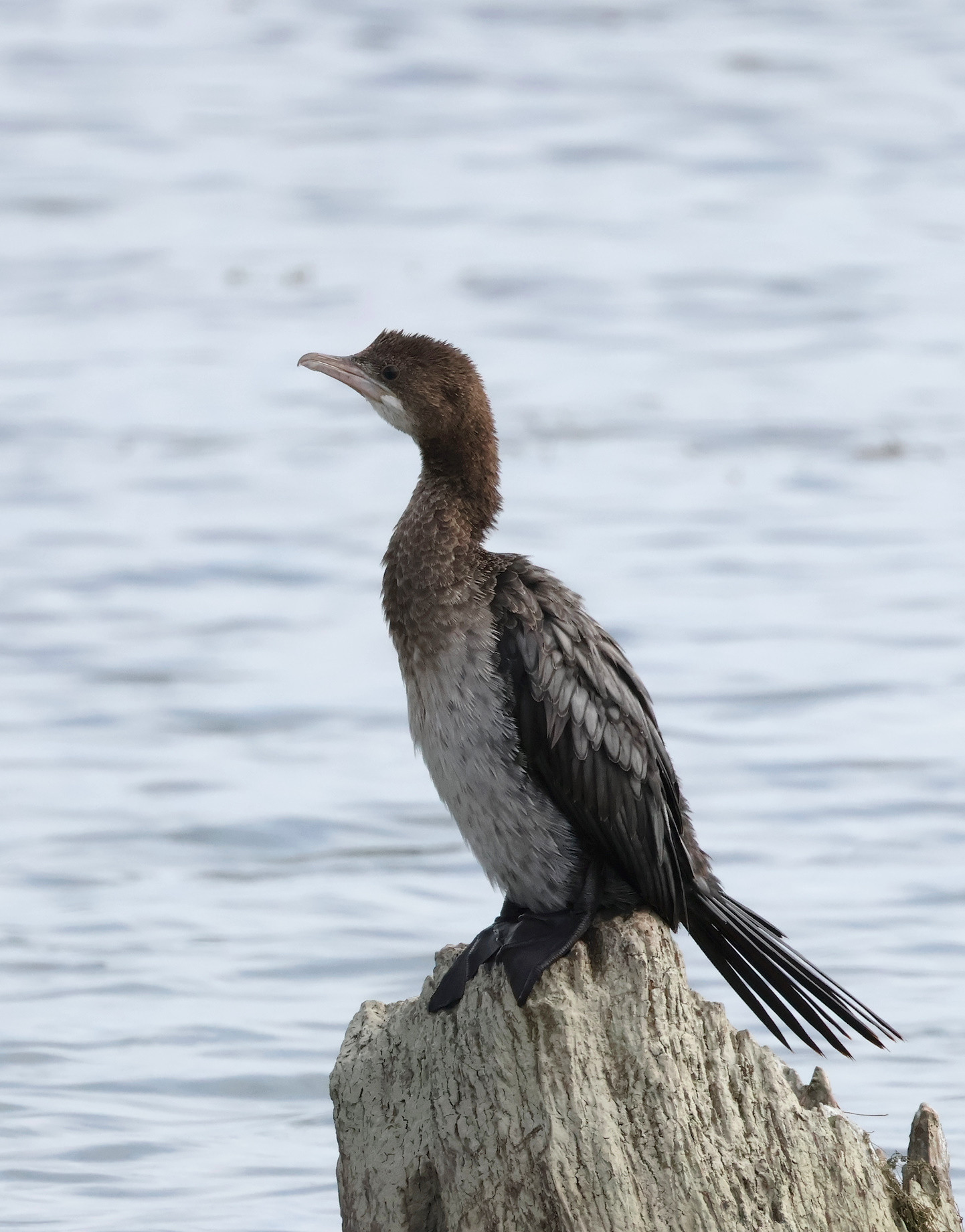
Once you reach the wetland, checking the western/upriver section is more rewarding in winter, while going east/downriver is more productive in spring. In winter you may look for Águia-gritadeira, Ganso-campestre, Ganso-grande-de-testa-branca, Ganso-comum, Pato-branco, Merganso-pequeno, Merganso-grande, Zarro-castanho, Mobêlha-árctica, Corvo-marinho-pigmeu, Gaivota-de-patas-amarelas, Tordo-zornal, Tordo-ruivo-comum, Tordeia.
From March onwards for Marreco, Cegonha-preta, Cegonha-branca and Socó-taquari. From April for Garça-roxa, Garça-pequena, Búteo-mouro and three marsh terns ( Gaivina-preta, Gaivina-de-faces-brancas, Gaivina-d'asa-branca ). Frango-d'água and Franga-d'água-grande were also recorded here, as well as Alfaiate, Pilrito-comum and Pilrito-pequeno. Rola-comum, Abelharuco-comum, Picanço-de-dorso-ruivo, Poupa and Andorinha-das-barreiras (about 5,000 pairs downriver from Dubovac) breed here and are conspicuous in spring.
A strong easterly wind is common in the area, which can make birding challenging.
Photos by Slobodan Puzovic, Mileta Cekovic and Dragan Simic.
Detalhes
Acesso
Access is from the village of Dubovac, 70 km / 80 min east of Belgrade. See the map and click on the "P" for the turn-off directions.
The western section is more disturbed by development, although the levee up the Danube is well worth checking, especially in winter. To reach the western section, turn right at the cross junction (coming from the direction of the town of Kovin, route marked on the map).
The eastern section has a more natural feeling and preserved habitats. For the eastern section, follow the second dirt track right, after the Dubovac village.
Technically, you can park wherever and explore further on foot. There's not much shade, so wear a hat and take water with you.
Terreno e Habitat
Floresta , Terras húmidas , Lamaçais , Camas de junco , Rio , Campina , Árvores e arbustos dispersosCondições
Paisagem aberta , PoeirentoCaminho circular
Nãoé útil um telescópio?
Pode ser útilBoa temporada de observação de aves
Durante todo o anoMelhor hora para visitar
Inverno , Migração da primavera , Migração de outonoRota
Estrada não pavimentadaCaminho dificil
Caminhada médiaAcessível por
Pé , CarroAbrigo/plataforma deobservação de aves
NãoInformação extra
A spotting scope is necessary in winter, but not in warmer months when binoculars are sufficient.


 ) para inserir nomes de aves no seu idioma. Os nomes das aves serão traduzidos automaticamente para outros utilizadores!